
Use a chilled scoop and a light coat of oil or flour to stop dough from sticking.
I’ve baked cookies for years and I know how frustrating sticky dough can be. This guide on How to scoop cookie dough without sticking shares clear steps, tools, and real tips I’ve used in home kitchens and test batches. You’ll learn why dough sticks, simple fixes that work every time, and quick troubleshooting so your baking stays fun and consistent.
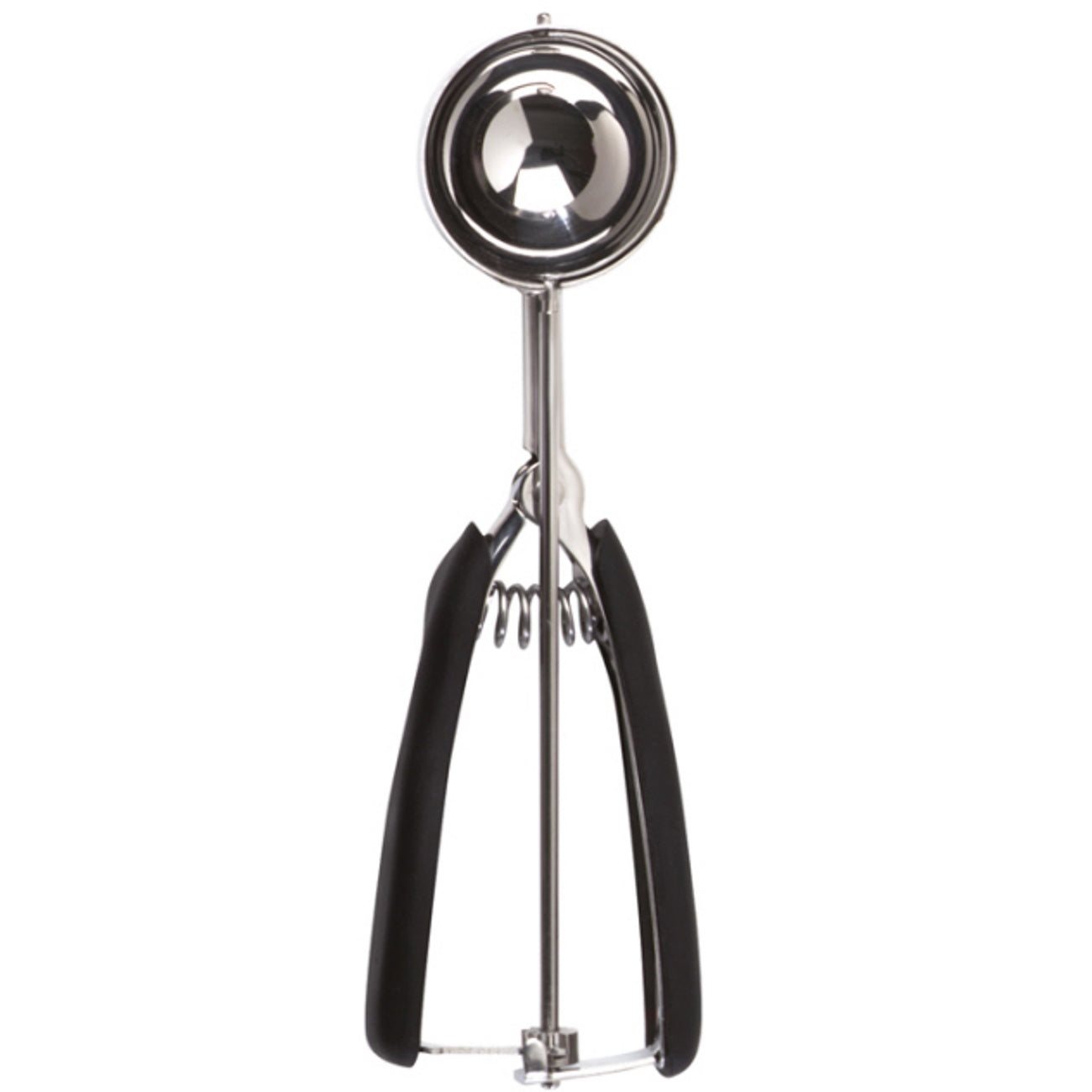
Why cookie dough sticks and the simple science behind it
Cookie dough sticks because of moisture, fat, and temperature. Wet dough clings to metal and plastic by surface tension and a thin film of sticky sugars. Warmer dough is softer and spreads more on contact, which increases sticking. Understanding this helps you control three variables: chill, coating, and tool choice to master How to scoop cookie dough without sticking.
 sticking”
style=”max-width: 100%; height: auto; border: 2px solid black; border-radius: 10px; display: block; margin: 0 auto;”
loading=”lazy”
/>
Tools and prep for How to scoop cookie dough without sticking
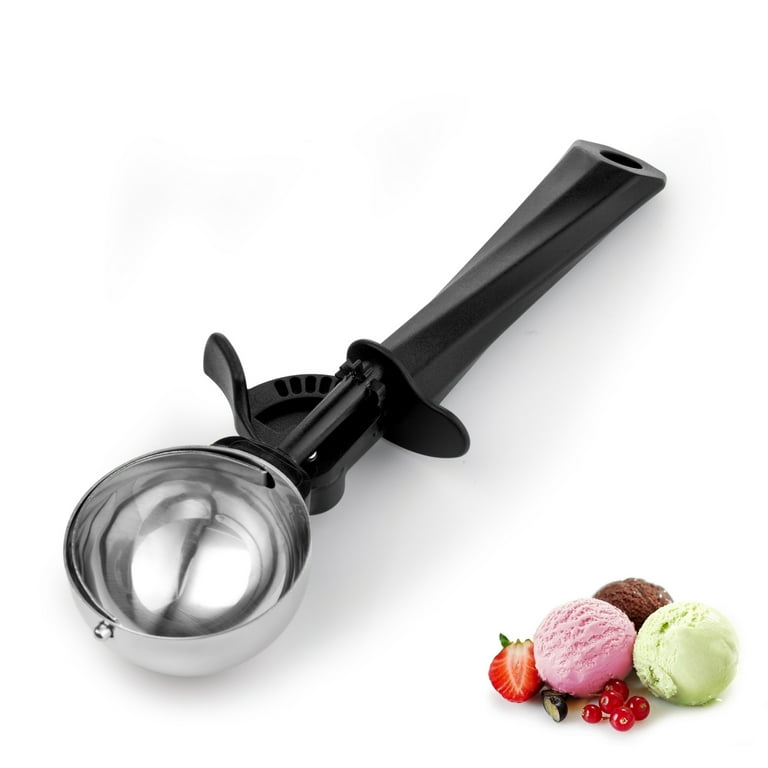
Use the right tools and prepare the dough. A quality cookie scoop gives uniform cookies and less handling. Choose a stainless steel or nonstick scoop. Keep a small bowl of water or lightly greased paper towel nearby to wipe the scoop between portions. I’ve found that chilling dough for 20–30 minutes reduces stickiness and helps the scoop release shapes cleanly.

Step-by-step technique for How to scoop cookie dough without sticking
- Chill the dough 20–30 minutes. Cold dough firms up and releases cleaner from the scoop.
- Lightly coat the scoop with oil, flour, or nonstick spray before the first scoop. Recoat as needed.
- Dip the scoop in warm water and shake off excess for ultra-sticky doughs. Water creates a quick release.
- Press the release lever (if using a scoop) and drop dough onto the baking tray. Use parchment or silicone mats for easier cleanup.
- If dough still sticks, use a small spoon or bench scraper to nudge it out gently. These simple steps make How to scoop cookie dough without sticking easy and reliable.
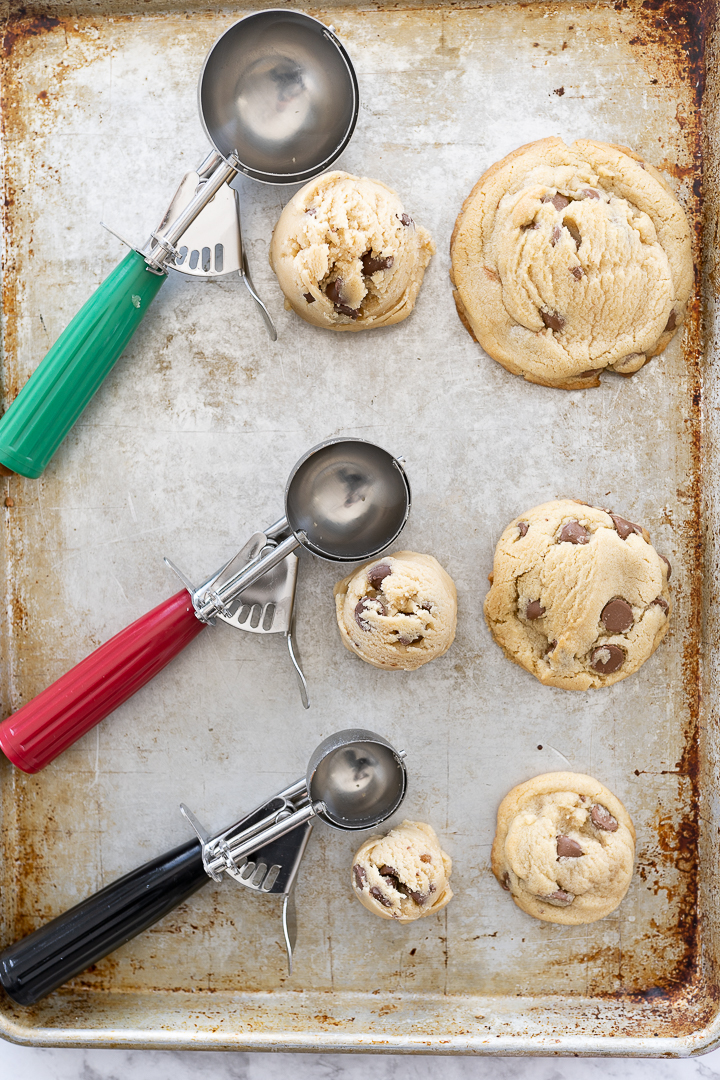
Tips for different dough types when learning How to scoop cookie dough without sticking
Sticky, high-butter, and no-chill doughs need different fixes. For high-butter doughs, chill longer and use parchment paper to prevent spreading. For sticky, high-sugar doughs, lightly flour your hands or the scoop. For no-chill doughs, use an oiled or wet scoop and portion quickly to keep the dough cold. I learned from trial and error that a mix of chilling and a wet scoop helps the most across dough types.

Troubleshooting common problems with How to scoop cookie dough without sticking
If dough flattens after baking, it may have been too warm. Chill the dough and use slightly smaller scoops. If portions are uneven, use a scale or a consistent scoop size. If dough keeps sticking to the scoop despite coating, try switching the scoop material or use a quick dip in warm water between scoops. These fixes are low-effort and save time on cleanup and re-baking.
Frequently Asked Questions of How to scoop cookie dough without sticking
How long should I chill dough to prevent sticking?
Chill most cookie doughs for 20–30 minutes to firm them up. Very buttery doughs may need 1 hour or more for best results.
Can I use flour to stop the scoop from sticking?
Yes. Lightly dust the scoop with flour or a mix of flour and sugar, but avoid over-flouring which can change cookie texture.
Is oil or nonstick spray better for the scoop?
Both work. Oil gives a thin barrier, while nonstick spray is quick and tidy. Reapply as needed between scoops.
Will a wet scoop really help with sticky dough?
Yes. A quick dip in warm water creates a slick surface that helps dough release. Wipe excess water so the dough does not become too wet.
What if my dough is too sticky but I need to bake now?
Use a wet or oiled scoop and portion quickly. You can also place the tray in the fridge for 10 minutes before baking to firm the portions.
Conclusion
Mastering How to scoop cookie dough without sticking is mostly about simple fixes: chill the dough, use the right tools, and keep a quick-release method handy. Try one change at a time and note what works for your recipe. Give these tips a shot during your next bake, and share what worked in the comments or subscribe for more baking tips.