
Cook soaked black beans 8–10 minutes at high pressure; unsoaked beans take 25–30 minutes.
I’ve cooked hundreds of bean batches in stovetop and electric pressure cookers, and I’ll walk you through exactly how long to cook black beans in pressure cooker for perfect texture every time. This guide covers soaked and unsoaked timing, water ratios, quick-release vs natural release, altitude and bean-age fixes, plus step-by-step methods and troubleshooting drawn from real kitchen tests.

Why use a pressure cooker for black beans
Pressure cooking saves time and locks in flavor without constant stirring. It breaks down starch and fiber fast. That means tender beans in a fraction of the time of simmering on the stove.
Pressure cooking also reduces the need for soaking when you’re short on time. The method keeps nutrients intact and produces creamy beans that work well in soups, tacos, salads, and dips.

How long to cook black beans in pressure cooker: timing guide
Below are tested time ranges for common scenarios. These times assume high pressure and fresh cooking water. Adjust for your cooker model and bean age.
- Soaked black beans (soaked 6–8 hours or overnight)
- 8 to 10 minutes at high pressure
* Natural pressure release for 10–15 minutes for best texture
- 8 to 10 minutes at high pressure
- Unsoaked black beans (rinsed, not soaked)
- 25 to 30 minutes at high pressure
- Natural pressure release for 10–20 minutes helps complete cooking
- Quick-release note
- Use quick release only if you need to stop cooking fast, but beans may be firmer
- Water ratio
- 3 cups water per 1 cup dried black beans for soaked beans
- 3.5 to 4 cups water per 1 cup dried beans for unsoaked beans
- Altitude adjustment
- Add 5–10% more time above 3,000 feet
- Add slightly more water as evaporation increases at high altitude
How long to cook black beans in pressure cooker will vary with bean age and cooker type. Older beans can take 5–10 minutes longer.

Do you need to soak black beans before pressure cooking?
Soaking is optional. Soaked beans cook faster and split less. Unsoaked beans work fine but need more time and water.
Can you cook a large batch and freeze it?
Yes. Cook beans, cool, and freeze in portioned bags. Freezing preserves texture and makes weeknight meals easy.
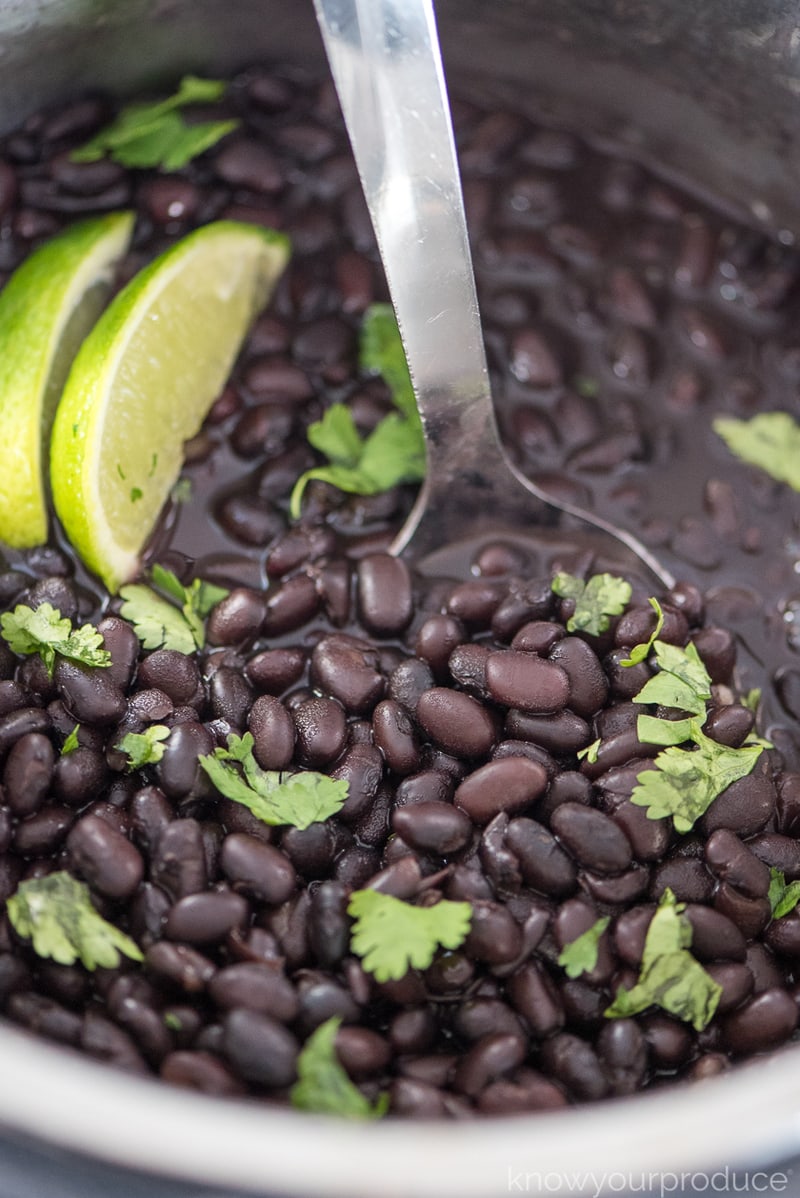
Step-by-step pressure cooker method (stovetop and electric)
Follow this clear method for reliable results. I include tips I learned after many batches.
- Sort and rinse
- Pick out stones or odd beans. Rinse until water runs clear.
- Optional soak
- Soak 6–8 hours or use a quick soak: boil 2 minutes, cover, sit 1 hour, then drain.
- Add beans and water to cooker
- Use the water ratios above. Add 1 teaspoon salt now or after cooking (see tips).
- Set pressure and time
- For soaked: high pressure for 8–10 minutes.
- For unsoaked: high pressure for 25–30 minutes.
- Release pressure
- Let pressure drop naturally 10–15 minutes for soaked, 15–20 for unsoaked.
- Finish with quick release if needed, but expect firmer beans.
- Check and season
- Taste a few beans. If still firm, simmer a few minutes without pressure.
- Add acidic ingredients like vinegar or tomatoes after beans are soft.
Personal note: I found adding salt before cooking helps beans soak flavor in. But if you prefer softer skins, add salt after cooking.

Tips for best texture and troubleshooting
These tips fix common problems fast.
- Beans are still hard
- They may be old. Add 5–10 more minutes at high pressure and allow natural release.
- Try a short simmer after pressure cooking.
- Beans are mushy
- Reduce cooking time by 1–3 minutes next batch. Natural release can continue cooking, so shorten pressure time.
- Foaming and clogging
- Add 1 tablespoon oil to reduce foam. Use a heat-safe trivet or a little oil to prevent splatter when releasing.
- Acidic ingredients slow cooking
- Add tomatoes, vinegar, or citrus after beans are fully cooked.
- Salt timing
- Salt early for flavor; delay if you prefer extra-soft skins.
- Altitude and age adjustments
- Increase time and water slightly for high altitude and older beans.
Why are my black beans still hard after pressure cooking? Older beans lose moisture from long storage and need more time. Soaking helps, but add 5–10 minutes and allow natural release if they are firm.
Why do my beans split or mash? Overcooking and too much agitation cause split skins. Cut a few minutes from pressure time and use gentle handling after cooking.

Nutrition, serving ideas, and storage
Black beans are a great source of fiber, protein, iron, and antioxidants. They keep well and pair with many cuisines.
- Serving ideas
- Tacos, burritos, rice bowls, soups, salads, and pureed black bean dip
- Storage
- Refrigerator: 3–4 days in a sealed container
- Freezer: up to 6 months; cool and portion into bags or containers
- Meal prep tip
- Cook large batches and freeze in one-cup portions for fast meals during the week
Cooking black beans in pressure cooker cuts time and keeps nutrients locked in. It also gives a consistent texture that adapts to many recipes.

Frequently Asked Questions of how long to cook black beans in pressure cooker
How long does it take to cook soaked black beans in a pressure cooker?
Soaked black beans take 8–10 minutes at high pressure. Let the pressure release naturally for 10–15 minutes for best texture.
How long to cook unsoaked black beans in pressure cooker?
Unsoaked black beans need 25–30 minutes at high pressure. Allow a natural release of 10–20 minutes to finish cooking evenly.
Can I use less water when cooking black beans in a pressure cooker?
You should follow recommended ratios: about 3 cups water per cup dried for soaked beans and 3.5–4 cups for unsoaked. Too little water can scorch or leave beans undercooked.
Will adding salt before pressure cooking affect cooking time?
Salt won’t significantly change the time; it can actually help beans soften while adding flavor. If you want the softest skins, add salt after cooking.
Do I need to worry about soaking to reduce gas?
Soaking reduces some indigestible sugars that cause gas, but pressure cooking alone also reduces those sugars. Soaking plus pressure cooking gives the best digestive result.
Conclusion
You now have a clear plan for how long to cook black beans in pressure cooker whether you soak them or not. Test one small batch first, note the results, and adjust time by a few minutes for your cooker, altitude, and bean age. Try the recommended times, save your favorite method, and you’ll have soft, flavorful black beans ready for meals all week.
Try a batch today and share your results or questions in the comments — I’d love to hear what worked for you.