
6–8 minutes high pressure for fresh boneless breasts; 10–12 minutes if frozen, plus natural release.
I’ve cooked hundreds of chicken breasts in pressure cookers, tested timing, and fixed plenty of kitchen mistakes. In this guide I’ll walk you through exactly how long to cook chicken breast in pressure cooker, why those times work, how to check doneness, and simple tips to get juicy results every time. Whether you use an Instant Pot, electric multicooker, or stovetop pressure cooker, you’ll learn reliable timings, safety checks, and flavor tricks that save time and avoid dried-out chicken.

How pressure cooking works for chicken breast
Pressure cookers raise the boiling point of water. This speeds cooking and tenderizes proteins. That’s why pressure cooking often beats oven or stovetop times for lean meats like chicken breast.
Pressure also traps moisture. That helps keep chicken breast from drying out. But timing matters. Overcooking under pressure can still produce rubbery or stringy meat.
Target internal temperature and thickness control the cooking time. For safety and best texture, aim for 165°F (74°C) internal temperature. A digital instant-read thermometer is the most reliable tool for judging doneness.

Exact times for how long to cook chicken breast in pressure cooker
Here are tested, practical times. Times assume high pressure on an electric pressure cooker like an Instant Pot. Adjust slightly for stovetop models that reach higher pressure.
- Fresh boneless, skinless chicken breast (about 6–8 ounces, single layer)
- 6–8 minutes high pressure, 5–10 minutes natural pressure release (NPR)
- Larger boneless breasts (10–12 ounces)
- 8–10 minutes high pressure, 5–10 minutes NPR
- Frozen boneless, skinless chicken breast
- 10–12 minutes high pressure, 5–10 minutes NPR
- Bone-in chicken breasts or thighs (fresh)
- 10–12 minutes high pressure, 10 minutes NPR
- Bone-in frozen pieces
- 12–15 minutes high pressure, 10 minutes NPR
Notes on timings and technique
- Always add at least 1 cup of liquid to reach pressure. Use broth, water, or sauce.
- Use natural pressure release for at least 5 minutes. This finishes cooking gently and keeps juices locked in.
- If you use quick release immediately, expect slightly firmer texture. Quick release can be used for shredded chicken to prevent overcooking.
- Always check internal temp of the thickest part. When it reads 165°F (74°C), the chicken is safe.
How thickness affects time
- Thin cutlets (½ inch) may need only 4–6 minutes.
- Thick, hefty breasts (1 inch or more) need the upper end of the range or a few extra minutes.
Practical step-by-step (fresh boneless breasts)
- Add 1 cup broth or water to the cooker.
- Season or brine chicken if desired.
- Place chicken on trivet or directly in liquid.
- Seal and cook on high pressure for 6–8 minutes.
- Allow 5–10 minutes natural release, then quick release any remaining pressure.
- Check internal temp at the thickest part; rest 3–5 minutes before slicing.
Tips to keep chicken breast juicy and flavorful
Brining helps. A simple 30-minute salt brine keeps chicken moist and seasons through.
Sear first for flavor. Browning raw breasts in the cooker on sauté mode or in a pan adds taste without changing pressure times.
Avoid overcrowding. Stack only if needed. Stacked chicken cooks slightly slower; add 1–2 minutes when tightly packed.
Use sauces and aromatics. Cooking in broth, tomato sauce, or a lemon-garlic liquid adds taste and protects the meat.
Rest briefly after cooking. Let chicken sit 3–5 minutes. This helps juices redistribute for better texture.
Personal experience: I once cooked a batch of frozen breasts without adjusting time and ended up with undercooked centers. Now I always add the extra 4 minutes for frozen meat and check temp before serving.

Troubleshooting common problems
Rubbery texture
- Often from overcooking or too-short natural release. Reduce high-pressure time by 1–2 minutes next time and allow a 5–10 minute NPR.
Dry, stringy chicken
- Usually from overcooking or no brine. Brine for 20–30 minutes, and use the lower end of the time range.
Undercooked centers
- Increase time by 1–2 minutes or use a 5–10 minute natural release. Always verify with an instant-read thermometer.
Chicken stuck to pot
- Add enough liquid next time and use a trivet. Deglaze the pot before pressure cooking to avoid stuck-on bits.
Tastes bland
- Season before or after cooking, and cook in stock instead of water. Finish with a splash of acid like lemon juice for brightness.

Nutrition, safety, and storage
Safety first: cook to 165°F (74°C). This kills harmful bacteria and ensures safety. Use a thermometer to be sure.
Nutrition: chicken breast is lean and high in protein. Pressure cooking preserves nutrients better than long boiling since cooking time is shorter.
Storing leftovers:
- Refrigerate within two hours in shallow containers.
- Use cooked chicken within 3–4 days.
- Reheat to 165°F before serving.
Freezing cooked chicken:
- Freeze in portions for up to 3 months. Thaw in the fridge before reheating or use frozen pieces directly in soups and stews.

Variations and quick recipe ideas
Shredded chicken for tacos
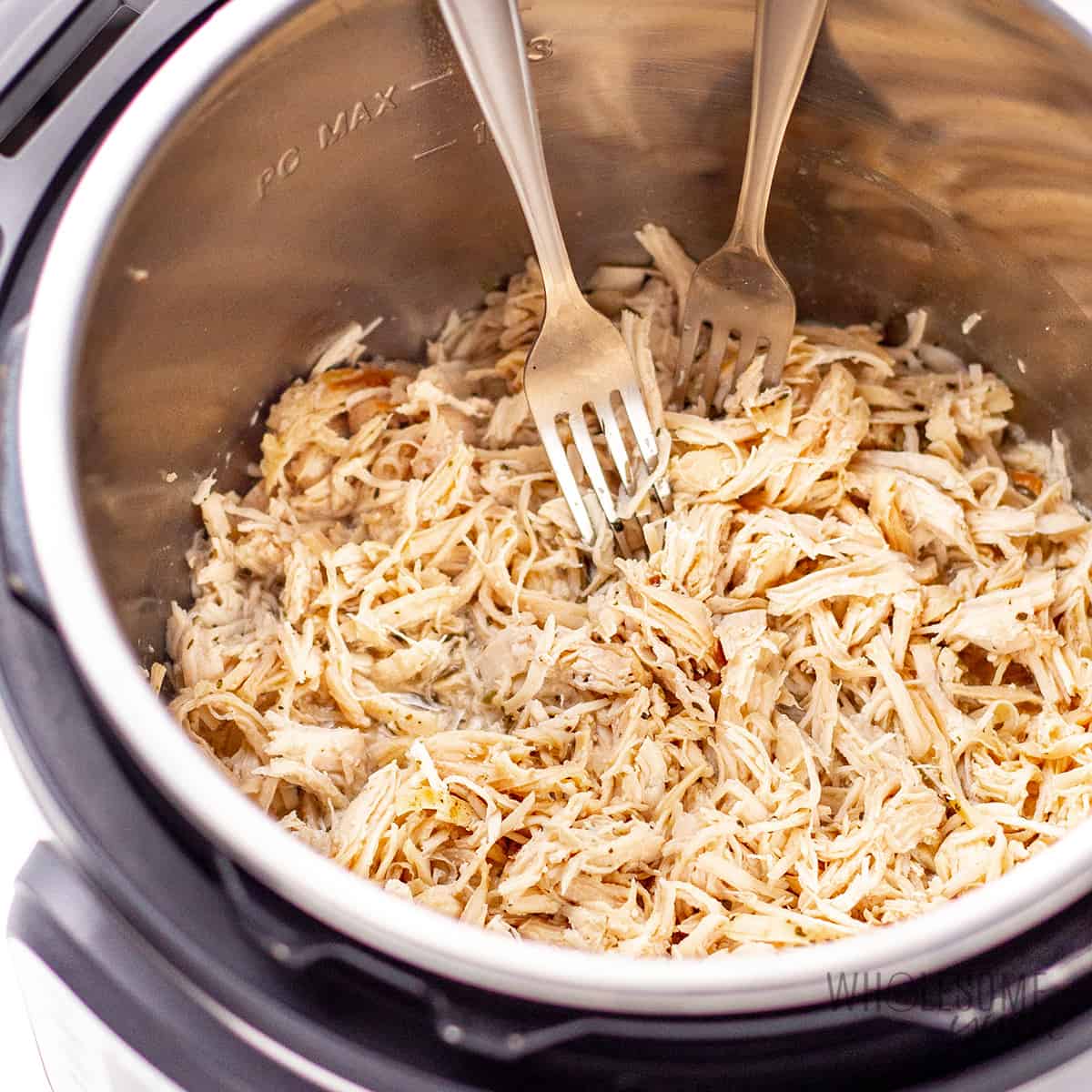
- Cook boneless breasts for 8 minutes high pressure, 5 minutes NPR. Shred with forks and toss in taco sauce.
Chicken for salads
- Cook 6 minutes, quick release after a 5-minute NPR, chill, then slice thin for salads.
Chicken in curry or sauce
- Cook chicken directly in curry sauce for 8–10 minutes and allow a 10-minute NPR to blend flavors.
Meal prep bowls
- Cook a large batch using the frozen timing. Portion into containers with grains and veggies for the week.

Frequently Asked Questions of how long to cook chicken breast in pressure cooker
How long to cook frozen chicken breast in a pressure cooker?
For frozen boneless chicken breast, cook 10–12 minutes at high pressure with a 5–10 minute natural release. Always verify the internal temperature reaches 165°F (74°C) before serving.
Can I quick release pressure for chicken breast?
You can quick release, but a 5–10 minute natural release helps retain juices and finish cooking gently. Use quick release only when time is tight or for very small pieces.
Will bone-in chicken breast take longer?
Yes. Bone-in chicken breasts generally take 10–12 minutes at high pressure when fresh, and 12–15 minutes if frozen, with a 10-minute natural release for best texture.
How much liquid do I need to pressure cook chicken breast?
Most electric pressure cookers need at least 1 cup of liquid to come to pressure. Use broth, water, or sauce to add flavor and prevent burning.
How do I prevent chicken breast from being dry?
Brine for 20–30 minutes, use the lower end of suggested times, and allow a natural pressure release. Sear for extra flavor and cook in flavorful liquid to help keep moisture.
Conclusion
Pressure cooking lets you make tender, juicy chicken in minutes when you follow reliable timings and simple checks. Remember the core rule: cook fresh boneless breasts about 6–8 minutes high pressure, frozen about 10–12 minutes, and always verify they reach 165°F (74°C). Try brining, searing, or cooking in broth to boost flavor, and use a thermometer for consistent results. Ready to cook? Experiment with one timing, adjust for your cooker, and leave a comment about your favorite pressure-cooker chicken recipe or question.