
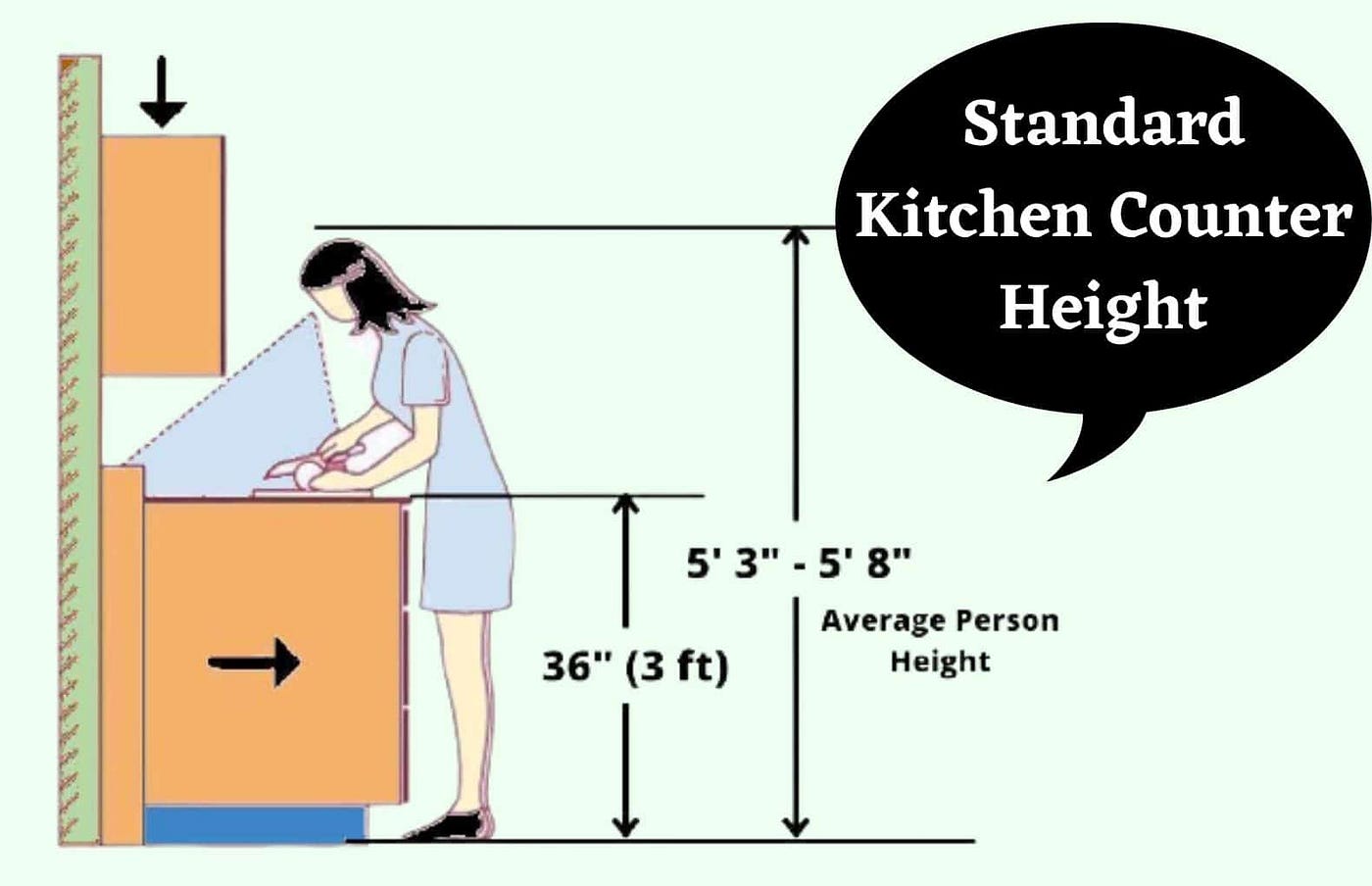
A standard kitchen counter is typically 36 inches tall, measured from the floor to the countertop surface.
I’ve spent years designing and remodeling kitchens, and I know how vital the right height is for comfort and function. This article explains how tall is a standard kitchen counter, why that height exists, common variations, and practical tips to pick the best counter height for your home. Read on to get clear, usable advice you can act on during design or remodeling.
Standard height: what professionals use and why
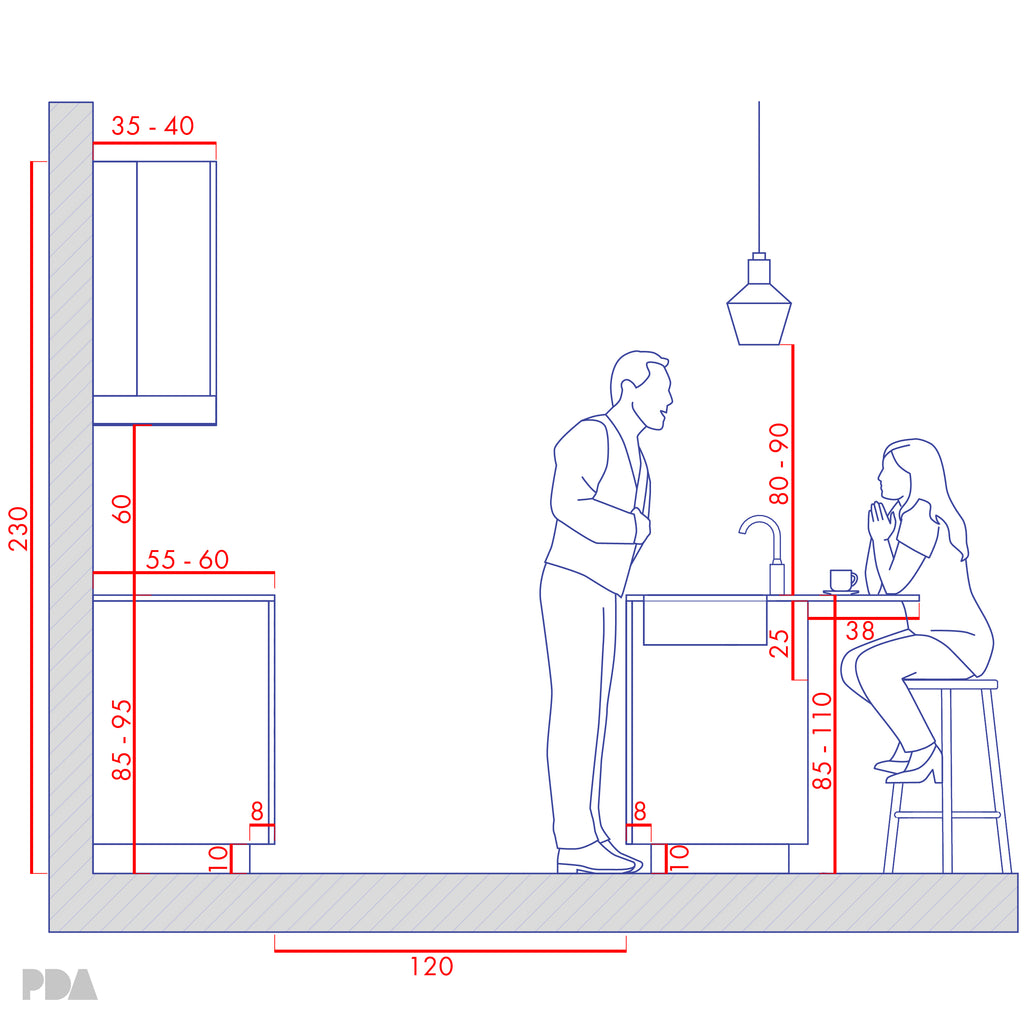
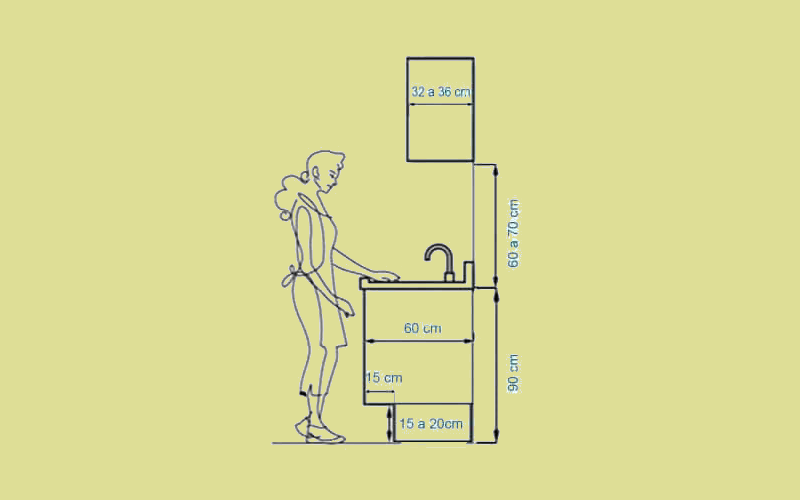
Most U.S. kitchens use a counter height of 36 inches. This is measured from the finished floor to the top surface of the countertop. The 36-inch standard grew from common appliance sizes and the average adult reach. When you ask how tall is a standard kitchen counter, the short precise answer is 36 inches, which balances cooking comfort and appliance fit.
Designers and builders favor 36 inches because it fits most sinks, ranges, and cabinets. It also aligns with many kitchen ergonomics guidelines. If you cook a lot, this height reduces bending and strain.
 consider”
style=”max-width: 100%; height: auto; border: 2px solid black; border-radius: 10px; display: block; margin: 0 auto;”
loading=”lazy”
/>
Variations and special heights to consider
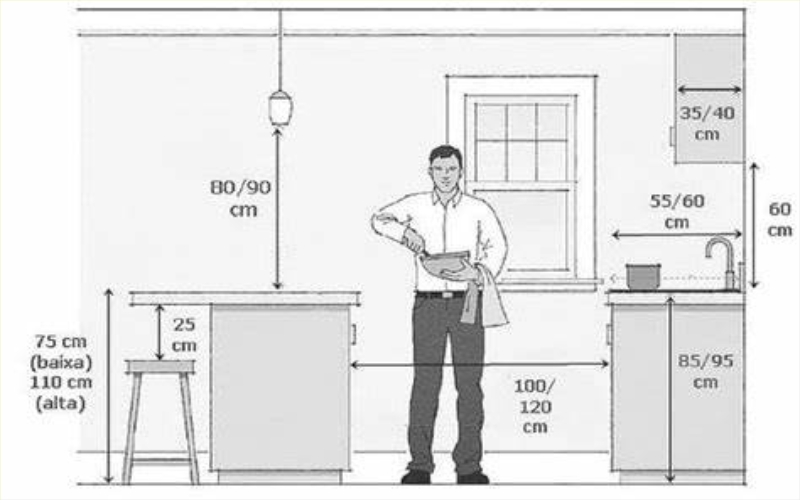
While 36 inches is standard, variations exist for specific needs. Lower counters, around 30 to 34 inches, suit children and shorter users. Taller counters, often 38 to 42 inches, are common for bar tops, bartables, or for taller cooks. Universal design or ADA-compliant areas may call for different heights to improve access.
Here are common variations:
- 36 inches: Standard kitchen counter height for most homes.
- 30 to 34 inches: Shorter counters for children or seated work.
- 38 to 42 inches: Bar and counter seating or tall-user preference.
- 34 inches or less with knee clearance: ADA work surfaces for wheelchair users.
When you evaluate how tall is a standard kitchen counter for your project, also think about stool height, appliance clearances, and sink depth.
Ergonomics: how height affects comfort and safety
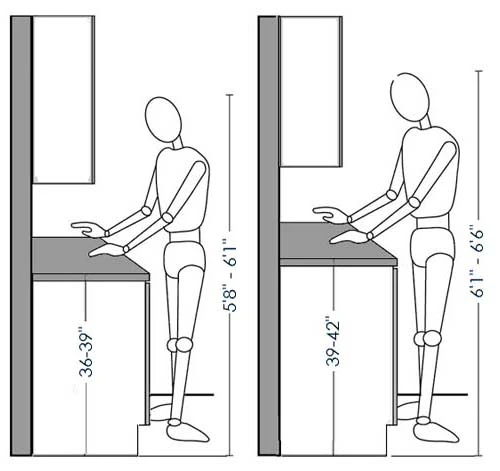
Counter height affects wrist, back, and neck comfort. A counter too low causes back bending. A counter too high raises shoulders and strains arms. The goal is to keep your forearms parallel to the counter while working.
To test a height:
- Stand relaxed with elbows bent at about 90 degrees.
- Measure from the floor to your wrist.
- Use that as a guide to choose counter height.
This simple test helps answer how tall is a standard kitchen counter relative to your body. Adjust for frequent tasks like rolling dough or chopping.
How appliances and cabinets influence height
Appliance sizes and cabinet design often dictate counter height. Standard base cabinets are built to make the countertop sit at 36 inches. Range and oven heights, dishwasher panel heights, and sink flange sizes assume this standard.
If you change counter height, check these issues:
- Range and cooktop compatibility.
- Dishwasher door clearance.
- Sink rim and faucet reach.
- Wall cabinet alignment and backsplash height.
When you ask how tall is a standard kitchen counter, remember it’s tied to appliance norms and finish details.

Practical tips for choosing the right height
Pick a height that fits your family and tasks. Here are steps to help decide:
- Measure the primary cook’s elbow height. Subtract 4 inches for optimal work height.
- Consider adjustable islands or mixed heights for different tasks.
- Factor in stool height for eating areas if counter doubles as seating.
- Test mockups using plywood at potential heights for a day.
From my experience, building a one-day mock counter saved changes later. It showed small differences that mattered during long prep sessions.
Remodeling and installation considerations
Changing counter height in a remodel has cost and code impacts. Raising or lowering counters may require new cabinetry, trim, and appliance adjustments. Installers must confirm plumbing and electrical align with new heights.
Plan ahead with these steps:
- Talk to your contractor about cabinet modifications.
- Check appliance specs and possible retrofit kits.
- Confirm local codes for accessible work surfaces if needed.
Being clear about how tall is a standard kitchen counter helps you budget and avoid surprises during installation.

Materials and countertop thickness
Countertop thickness affects final height. Standard finished height counts the countertop surface. Thicker materials like granite or quartz add 1 to 2 inches. Cabinet height is usually set so the finished surface lands near 36 inches when a standard countertop is added.
When deciding how tall is a standard kitchen counter for your space:
- Add material thickness to base cabinet height.
- Remember full-height backsplashes change perceived height.
- Consider thinner materials or under-mount options if height is tight.
:max_bytes(150000):strip_icc()/guide-to-common-kitchen-cabinet-sizes-1822029-base-6d525c9a7eac49728640e040d1f90fd1.png)
Personal notes from my projects
I once installed counters for a family with tall members. We raised the prep area to 38.5 inches. The main cooking zone stayed at 36 inches. This split made daily tasks easier and kept appliance fit intact.
Lessons I learned:
- Mockups help avoid regrets.
- A mix of heights often wins for multi-user homes.
- Minor height changes can have big comfort gains.
Thinking practically about how tall is a standard kitchen counter helped this family cook more comfortably every day.

Frequently Asked Questions of how tall is a standard kitchen counter
What is the standard height for kitchen counters in the U.S.?
The standard height is 36 inches from finished floor to countertop surface. This height fits most appliances and suits average adult comfort.
Can I change the standard counter height?
Yes. You can lower or raise counters by modifying cabinet height or countertop thickness. Keep appliance fit and ergonomics in mind when changing height.
What height is best for kitchen islands?
Islands are often 36 inches, but many homeowners use 34 to 38 inches depending on tasks and seating. Consider task zones and stool height when choosing island height.
How does bar height differ from standard counter height?
Bar height is usually 40 to 42 inches, higher than the 36-inch standard. Bar stools must match this higher surface for comfortable seating.
Are there accessibility rules for counter height?
Accessible work surfaces often require lower heights and knee clearance, commonly around 34 inches or less with specific clearances. Always check local codes for exact requirements.
Conclusion
Standard kitchen counters are typically 36 inches tall, but the best height depends on who uses the kitchen and what they do there. Test heights, consider mixed-height solutions, and plan around appliances and material thickness to get the right fit for your home. Try a simple mockup or consult a pro, then pick a height that makes daily cooking easier and more enjoyable. If you found this helpful, leave a comment, subscribe for more design tips, or try a testboard at home to find your perfect counter height.