
how to cook in a stainless steel pan: Preheat, add oil, and control heat to prevent sticking.
I’ve cooked on stainless steel for years in home and test kitchens, and I’ll walk you through how to cook in a stainless steel pan with confidence. This guide covers why stainless steel behaves the way it does, step-by-step techniques, common mistakes, cleaning tips, and practical recipes so you can get perfect sears, quick sautés, and easy cleanup every time.
Why choose stainless steel pans
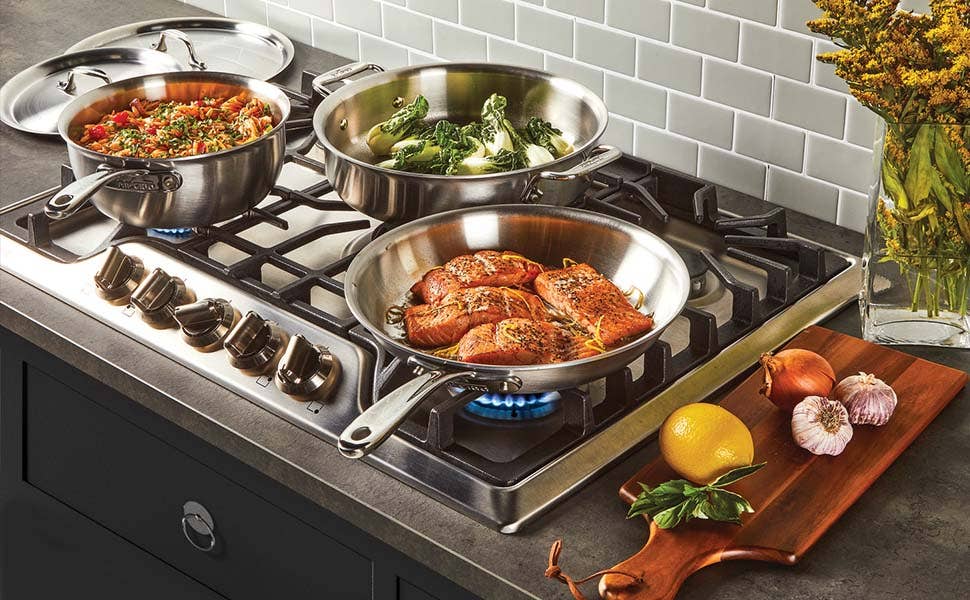
Stainless steel pans are durable, non-reactive, and excellent for browning. They resist scratches and acidic foods, so tomatoes and wine won’t strip a finish. You can go from stovetop to oven without worrying about damage.
I favor stainless steel when I want a deep brown sear or to deglaze for a quick pan sauce. The pan’s even heating and strong surface help build flavor in ways nonstick pans can’t match.
Stainless steel takes practice but rewards you with control and long life. It’s a top pick for cooks who want technique over convenience.
How stainless steel works — basics every cook should know
Stainless steel is not nonstick; it bonds with proteins when the metal is cold or the pan is underheated. Heat alters the metal’s surface so food releases more easily when the pan and oil are properly prepped.
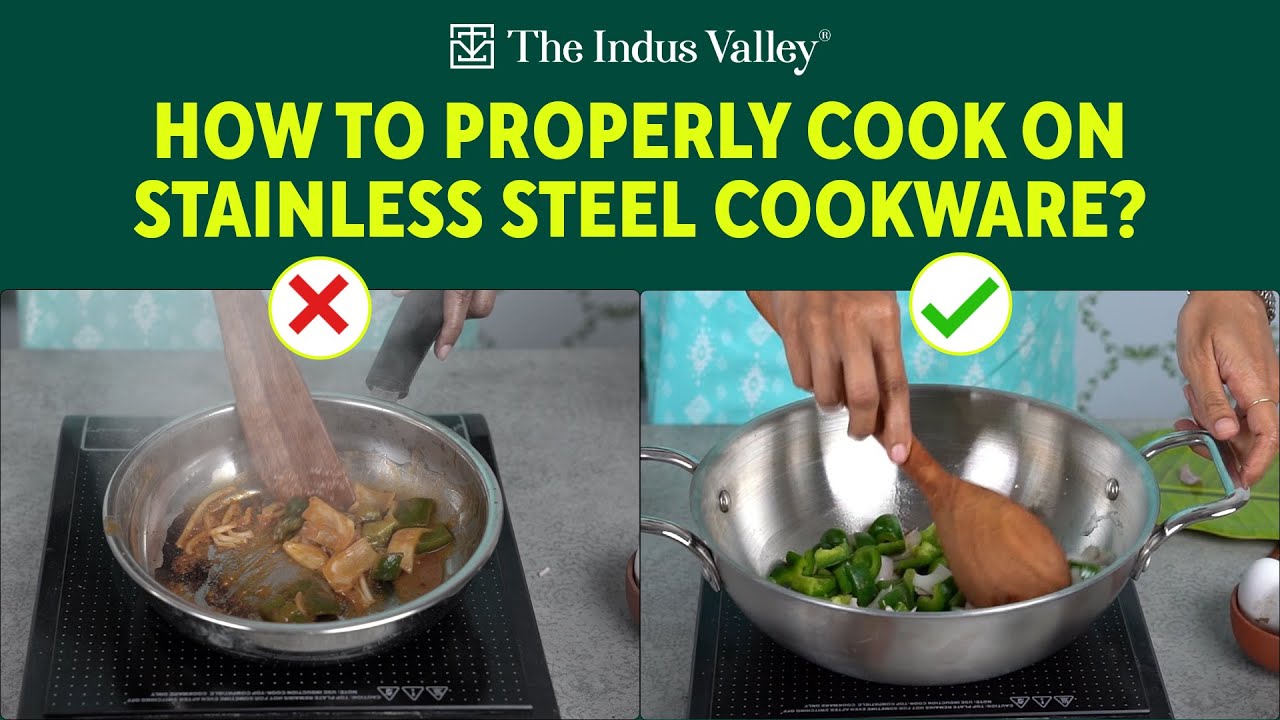
A good rule: warm the pan, then add oil, then the food. That sequence helps create a temporary barrier between food and metal. My early mistake was adding oil first to a cold pan — that caused sticking and frustration. After many tries, I learned to watch the shimmer of oil to know the right moment.
Will food stick to stainless steel? Food can stick if the pan is too cool or if you crowd the surface. Let meat form a crust before moving it.
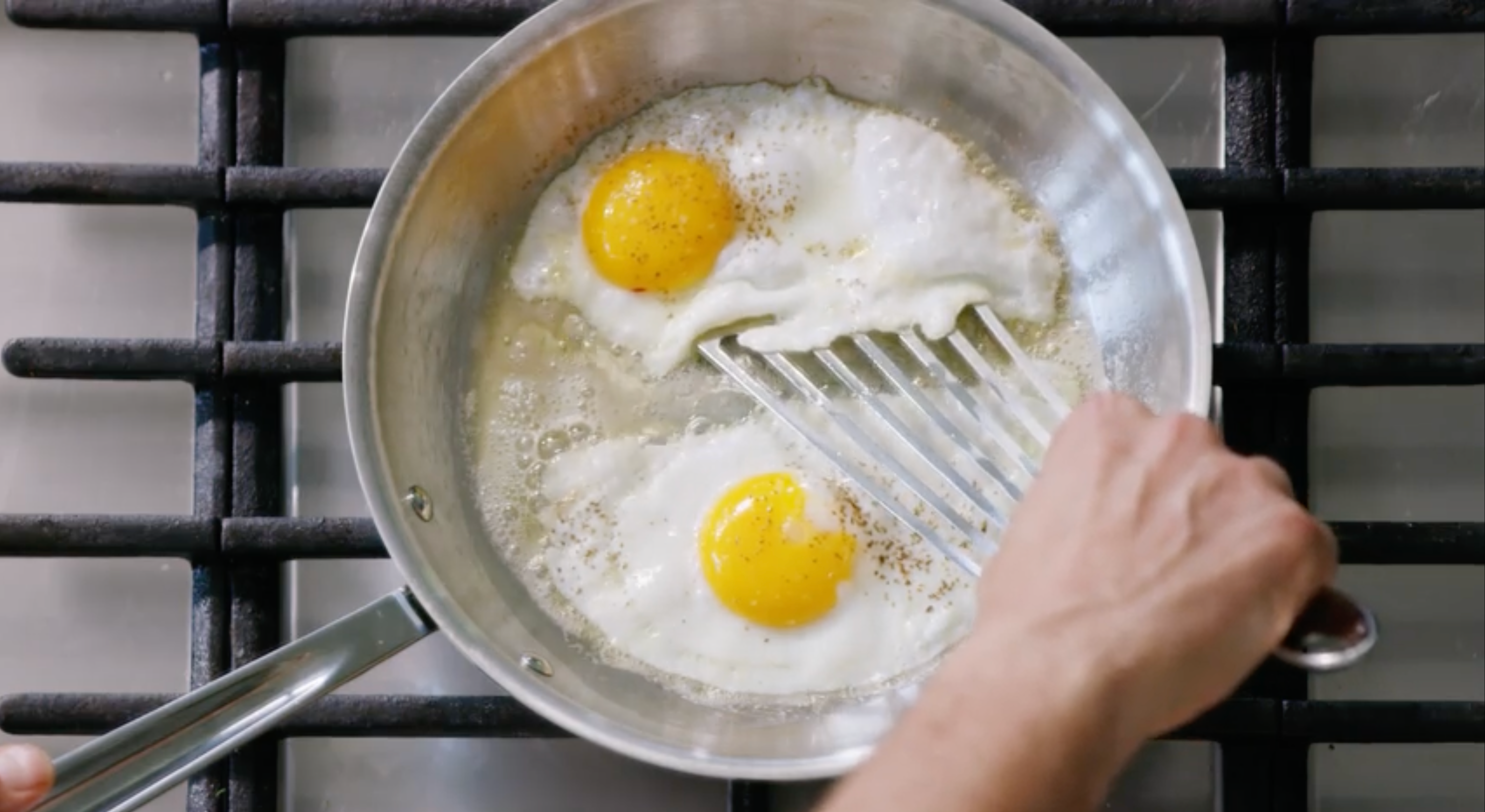
Can you use stainless steel for eggs? Yes, when you control heat and use enough fat; lower heat and patience yield success.

Step-by-step: How to cook in a stainless steel pan
Follow these steps to get consistent results when you want to cook in a stainless steel pan.
- Preheat the pan
- Heat an empty pan over medium for 1 to 3 minutes. Test with a few drops of water; they should bead and dance.
- Add the right oil
- Use an oil with a suitable smoke point for your heat. Add oil after the pan is hot and let it heat until it shimmers.
- Prepare and dry ingredients
- Pat proteins dry with paper towels; moisture causes steam and prevents browning. Season right before cooking.
- Add food without crowding
- Place items in a single layer. Crowding drops the pan temperature and increases sticking. Cook in batches if needed.
- Let food sear before flipping
- Resist moving meat or fish until a crust forms. When the crust releases, it will lift easily.
- Deglaze to make sauce
- After removing food, add liquid (wine, stock, or water) to the hot pan and scrape fond to build flavor.
- Finish and rest
- Reduce sauces as needed. Rest proteins a few minutes to keep them juicy.
I use this exact method for steaks, chicken breasts, and veggies. It takes attention but delivers deep flavor.

Heat management and choosing the right burner
Match burner size to the pan and aim for even heat. Stainless steel conducts heat differently than copper, so learn your stove’s hot spots.
Start at medium heat. For searing, increase to medium-high only after the pan and oil are properly hot. If oil smokes aggressively, lower the heat. I once charred scallops by using high heat without preheating; now I always preheat and adjust before adding food.
If you’re learning how to cook in a stainless steel pan, remember that temperature control is your friend. It prevents sticking, burning, and wasted ingredients.
Oils, fats, and what to use for different dishes
Choose oils with smoke points that suit the cooking style. For high-heat searing, use avocado oil or refined canola. For flavor and moderate heat, use butter plus a splash of oil.
For eggs or delicate fish, a mix of butter and oil gives flavor and a higher smoke point. For quick sautés of vegetables, olive oil works well at medium heat. I often start with a neutral oil, then finish with a knob of butter for richness.
:max_bytes(150000):strip_icc()/perfect-pan-seared-steaks-recipe-step-02-Collage-2cdded4320af4954997cbcd517a7c276.JPG)
Common mistakes and how to avoid them
Many cooks abandon stainless steel after a few sticky meals. Avoid these common errors:
- Adding oil to a cold pan
- Always preheat first, then add oil.
- Overcrowding the pan
- Cook in batches to keep heat steady.
- Using the wrong heat level
- Learn to read oil shimmer and smoke; adjust accordingly.
- Not drying ingredients
- Moisture creates steam; pat food dry for good contact and browning.
I once thought higher heat meant faster cooking; instead I burned the exterior and undercooked the center. Lowering heat and being patient solved that problem.
Cleaning and maintenance for long-lasting pans
Clean stainless steel promptly to prevent stains. For stuck-on bits, soak with warm water and a mild dish soap, then scrub with a soft nylon pad. For tougher brown spots or rainbow discoloration, sprinkle baking soda, add a little water, and scrub gently.
Avoid steel wool on polished surfaces; it can scratch and alter performance. To restore shine, boil a solution of water and white vinegar in the pan, then wash. Proper care keeps your pan reliable for decades.
:max_bytes(150000):strip_icc()/sea-primary-stainless-steel-skillets-jan-25-rkilgore-0699-4df4b200ea9e420080bbe1fc47c3faee.jpeg)
Recipes and quick ideas to practice your technique
Short, focused recipes help you master how to cook in a stainless steel pan.
- Pan-seared chicken breast
- Season, preheat the pan, oil, sear 4–6 minutes per side, finish in oven if thick.
- Sautéed green beans with garlic
- Preheat pan, add oil, then green beans in a single layer; stir until bright and slightly blistered.
- Quick pan sauce for steak
- After searing, remove steak, deglaze with wine or stock, add butter and herbs, then pour over steak.
Try one simple recipe a week to build confidence. Repetition taught me timing and heat control faster than any single read.

Safety notes and limitations
Stainless steel pans are safe with high heat, but be cautious of hot handles and oil splatter. Watch smoke points to avoid burnt flavors. Stainless steel isn’t nonstick, so expect a learning curve with eggs and pancakes. For those specific items, you can use a well-heated pan, more fat, or reserve a nonstick pan when you need ease over technique.
Frequently Asked Questions of how to cook in a stainless steel pan
How do I stop food from sticking to a stainless steel pan?
Preheat the pan, then add oil and let it shimmer before adding food. Pat ingredients dry and avoid crowding the pan so items can brown and release.
What temperature should I use for stainless steel?
Start at medium heat for most cooking. Use medium-high only for quick sears after the pan and oil are fully hot. Adjust down if oil smokes heavily.
Can I use stainless steel with acidic foods like tomatoes?
Yes. Stainless steel is non-reactive, so it’s safe for tomatoes, wine, and citrus without affecting flavor or metal finish.
Is stainless steel good for searing meat?
Yes. Stainless steel excels at searing because it lets meat brown and forms flavorful fond for pan sauces.
How do I clean burned-on food from stainless steel?
Soak with warm soapy water, then use a nylon scrub pad. For tougher stains, use a paste of baking soda and water or boil water with vinegar in the pan to lift marks.
Conclusion
Mastering how to cook in a stainless steel pan takes practice, heat control, and patience, but the results are worth it: superior sears, rich pan sauces, and long-lasting cookware. Start with the basic steps—preheat, oil, dry ingredients, avoid crowding—and practice simple recipes until timing feels natural. Try one seared steak or sautéed vegetable recipe this week and note how the pan rewards good technique. Share your wins or questions below, subscribe for more tips, or test these methods and leave a comment on what worked for you.