
Measure first, set a clear budget, choose materials, and pick a trusted seller.
I’ve helped dozens of homeowners plan kitchen remodels and written about cabinet choices for years. This guide on how to buy kitchen cabinets walks you through every step, from budgeting and measuring to choosing materials, styles, suppliers, and installation. Read on for practical tips, real-world lessons, and a clear checklist to make your cabinet purchase fast, smart, and stress-free.

Why choosing the right cabinets matters
Kitchen cabinets set the room’s function and feel. They hold daily items and define storage flow. Good cabinets make cooking easier and boost home value. Poor choices lead to wasted money and frustration.
My experience: I once installed low-quality cabinets to save money. They warped within two years. That taught me to favor solid materials and good hardware. If you learn one thing from this guide, let it be to think long term when you learn how to buy kitchen cabinets.
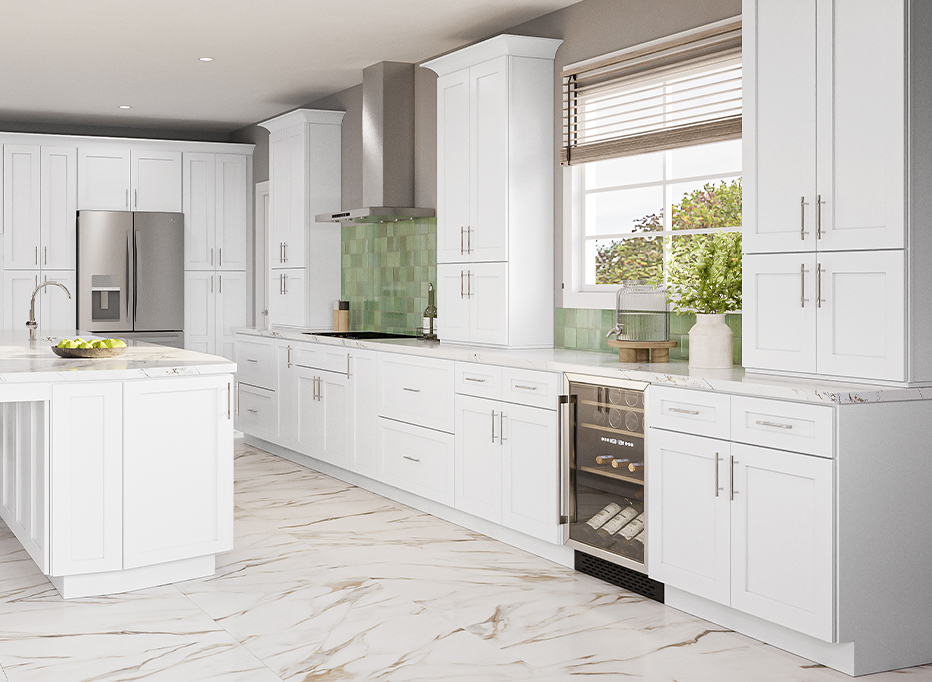
Start with a clear budget and priorities
Set a total budget for cabinets and stick to it. Know what matters most: long life, looks, or the lowest price.
Steps to set a budget
- Decide total kitchen budget. Aim 20 to 40 percent for cabinets in a full remodel.
- Set a cabinet range: low, mid, or high-end.
- Allocate for extras: hardware, delivery, and installation.
- Keep a 10 percent buffer for surprises.
Be realistic. If you plan to sell soon, mid-range cabinets often give the best return. This is key when learning how to buy kitchen cabinets.
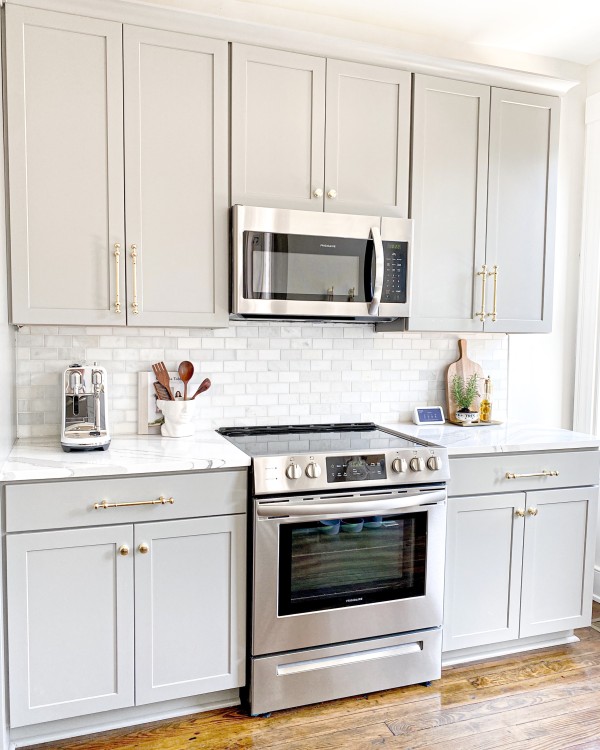
Cabinet types and materials explained
Know your main choices. Each has pros and cons.
Common cabinet types
- Stock cabinets: Prebuilt, lowest cost, fast lead times.
- Semi-custom: More sizes and styles, moderate cost.
- Custom cabinets: Built to order, highest cost, full control.
Materials and core builds
- Particleboard: Cheaper, less durable.
- MDF: Smooth for paint, better than particleboard.
- Plywood: Strong, resists warping, great for boxes.
- Solid wood: Doors and frames often use this for beauty.
Face frame vs. frameless
- Face frame: Traditional, strong, easier to repair.
- Frameless: Modern, offers more access, common in European styles.
Choosing materials affects lifespan and price. When you research how to buy kitchen cabinets, prioritize plywood or solid wood boxes for durability.

Styles, finishes, and door types
Style shapes the look. Finish affects maintenance and feel.
Popular styles
- Shaker: Clean, timeless, very popular.
- Slab: Flat, modern, sleek.
- Raised panel: Traditional, decorative.
- Glass-front: Shows items, good for display.
Finish options
- Paint: Smooth, many colors, hides wood grain.
- Stain: Shows natural wood beauty.
- Laminate: Durable, budget friendly.
- Veneer: Real wood thin layer, cost-effective.
Door construction
- Solid wood doors: Warm look, can change with humidity.
- Engineered doors: Stable, good for paint and high humidity areas.
Match style to home and taste. When planning how to buy kitchen cabinets, bring samples home to test light and color.

Measuring and planning layout
Good measurement prevents costly mistakes. Accurate plans make buying easier.
Measure like this
- Measure wall lengths and ceiling height.
- Mark doors, windows, vents, and switches.
- Note plumbing and gas lines.
- Sketch rough cabinet layout to scale.
Common layout tips
- Keep work triangle in mind: sink, stove, fridge close but not crowded.
- Plan storage by task zones: prep, cooking, cleaning, and pantry.
- Use tall pull-out pantries or corner solutions for tight spaces.
I always re-measure before ordering. Mistakes cost a lot and delay projects. This is a core step in how to buy kitchen cabinets right.
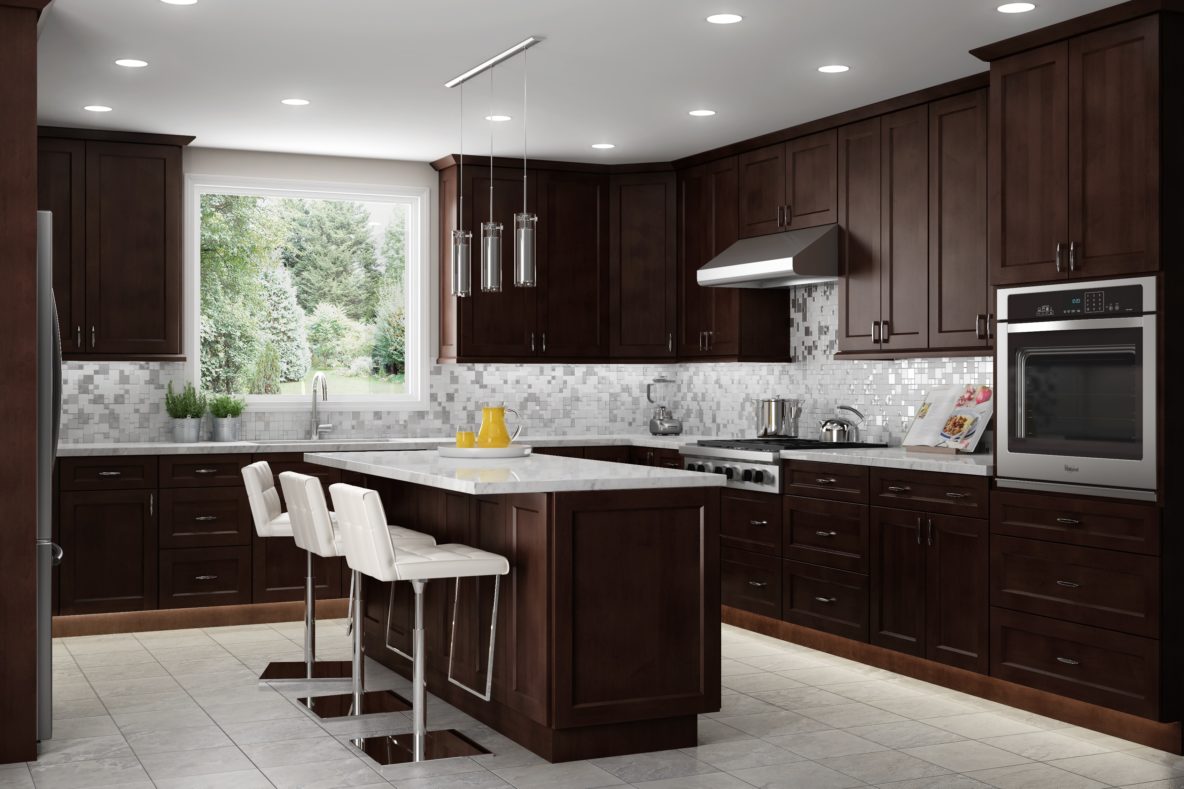
Compare sellers: big box, local, custom, and online
Where you buy affects price, service, and options.
Seller types and what to expect
- Big box stores: Low price, fast lead times, limited customization.
- Local cabinet shops: Personal service, mid-range, possibly better installation.
- Custom shops: Full control, high cost, long lead times.
- Online brands: Competitive prices, wide selection, measure and return rules matter.
Questions to ask any seller
- What is the lead time?
- Do prices include hardware, delivery, and installation?
- What warranty is offered?
- Can I get samples or showroom visits?
From my projects, local shops often offer the best balance of quality and service for how to buy kitchen cabinets on a budget.
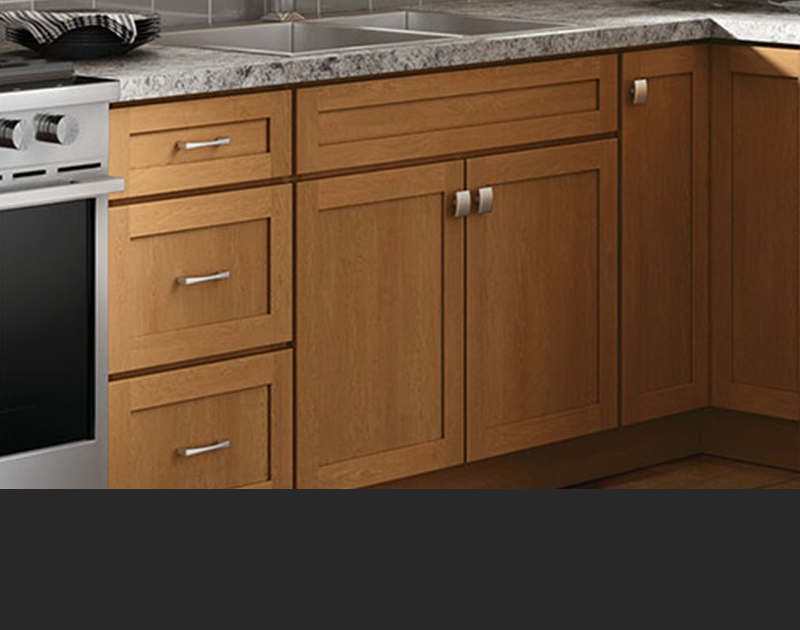
Installation, timeline, and warranties
Plan installation to avoid delays and extra cost.
Installation tips
- Book installers early. Lead times can be weeks.
- Prep the space: clear items and protect floors.
- Expect 1 to 3 days for stock cabinets, longer for custom work.
Warranty and service
- Check warranty on materials and hardware.
- Ask about damage policies during delivery.
- Get details in writing.
Good installers will also adjust doors and drawer glides for smooth use. This matters when you think about how to buy kitchen cabinets that last.
Costs and ways to save
Understand the true cost and where to save smartly.
Typical cost drivers
- Cabinet type: stock vs custom drives price most.
- Material quality: plywood and solid wood cost more.
- Hardware and accessories add up.
- Labor and delivery fees vary widely.
Smart savings
- Reuse layout and plumbing to avoid moving fixtures.
- Choose semi-custom for a balance of fit and cost.
- Buy doors or hardware separately to upgrade looks without full rebuild.
- Watch for sales and floor models.
I once saved 15 percent by choosing semi-custom cabinets and upgrading only doors. That was a good trade-off between style and price for how to buy kitchen cabinets wisely.
Step-by-step checklist to buy cabinets
Use this checklist to stay on track.
Pre-purchase
- Set a budget and timeline.
- Measure space and sketch layout.
- Decide on cabinet type and materials.
During purchase
4. Get 3 to 4 quotes with itemized costs.
5. Request samples and color swatches.
6. Confirm lead times, delivery, and warranty.
Before install
7. Re-measure and sign off on final plans.
8. Clear the work area and confirm access.
9. Inspect cabinets on delivery for damage.
This checklist simplifies how to buy kitchen cabinets and keeps the process clear and calm.
Common mistakes and how to avoid them
Avoid these traps that cause delays and regret.
Frequent mistakes
- Not measuring twice: leads to wrong fit.
- Choosing aesthetics over function: pretty but impractical.
- Ignoring hardware quality: cheap slides fail fast.
- Skipping samples: color looks different at home.
How to avoid them
- Re-check measurements and plumbing.
- Prioritize storage needs and daily tasks.
- Buy soft-close drawers and quality hinges.
- Test samples in natural light.
I once ordered the wrong finish because I saw it only under showroom lights. Don’t make the same mistake when you learn how to buy kitchen cabinets.
Frequently Asked Questions of how to buy kitchen cabinets
How much should I budget for kitchen cabinets?
Budgeting depends on scope. Expect stock cabinets to start low, semi-custom mid-range, and custom to cost the most. Typical ranges vary by region and project.
How long do cabinets take to arrive?
Stock cabinets can ship in days to weeks. Semi-custom usually takes 4 to 8 weeks. Custom cabinets often need 8 to 12 weeks or more.
Can I install cabinets myself?
Yes, if you have experience and tools. DIY can save labor costs but risks errors. Hiring a pro reduces mistakes and speeds the job.
Should I choose plywood or MDF for boxes?
Plywood is stronger and resists moisture better. MDF is smooth for painted doors but is heavier. Plywood is the better long-term choice for most kitchens.
Do cabinet warranties cover water damage?
Most warranties cover manufacturing defects, not damage from improper installation or water exposure. Read warranty details and prevent leaks to protect your cabinets.
Conclusion
Buying kitchen cabinets well starts with clear goals, careful measurement, and informed choices. Follow the checklist, compare offers, and pick materials that match your life and budget. Take action: measure your kitchen, set a budget, and request three quotes today. If you enjoyed this guide, leave a comment or subscribe for more practical home remodel tips.