
Plan layout, set a budget, pick materials, and choose stock or custom cabinets.
I’ve helped dozens of homeowners plan and buy kitchen cabinets, and I’ll walk you through every step so you make smart choices. This guide on how to buy kitchen cabinets explains types, costs, measurements, finishes, ordering, and installation in plain talk so you can feel confident and save money.

Types of cabinets and what they mean
Knowing cabinet types helps you decide fast. Stock cabinets are ready-made and cost less. Semi-custom cabinets offer more sizes and finishes. Custom cabinets are built to order and cost more but fit any space.
Common construction styles:
- Face-frame cabinets: traditional look, easy to repair.
- Frameless cabinets: modern look, more usable space.
- Slab or inset doors: affect cost and look.
When you learn how to buy kitchen cabinets, match a type to your budget and timeline. Think about resale value and style to pick right.
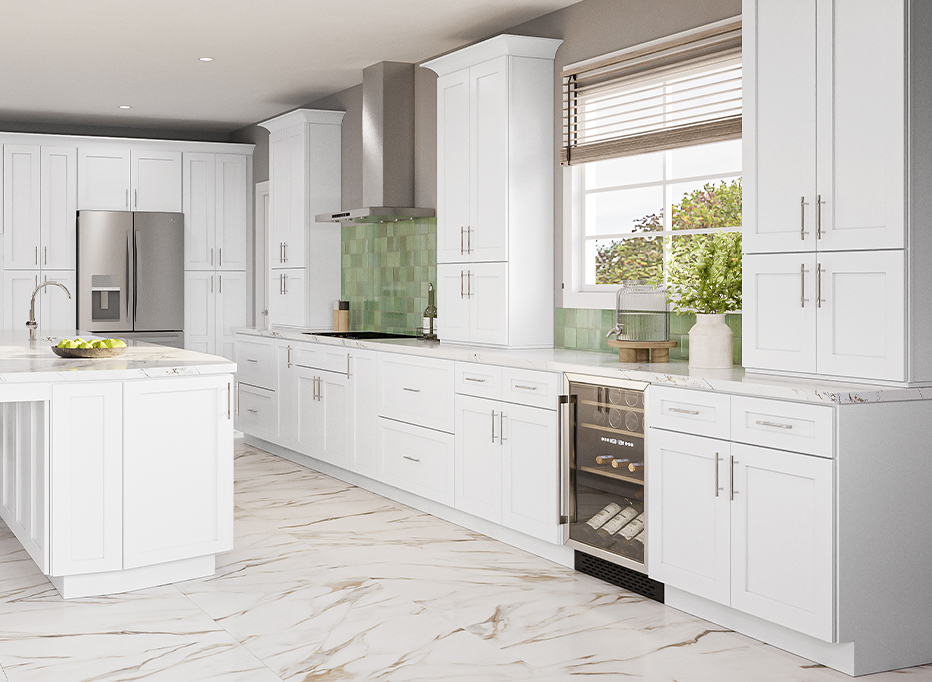
Set your budget and timeline
Start with a clear budget. Decide how much to spend on cabinets versus appliances and counters. A rough rule: cabinets often take 30%–40% of your kitchen budget.
Timeline matters. Stock cabinets ship fast. Semi-custom can take weeks. Custom can take months. When you plan how to buy kitchen cabinets, allow buffer time for delays and delivery.
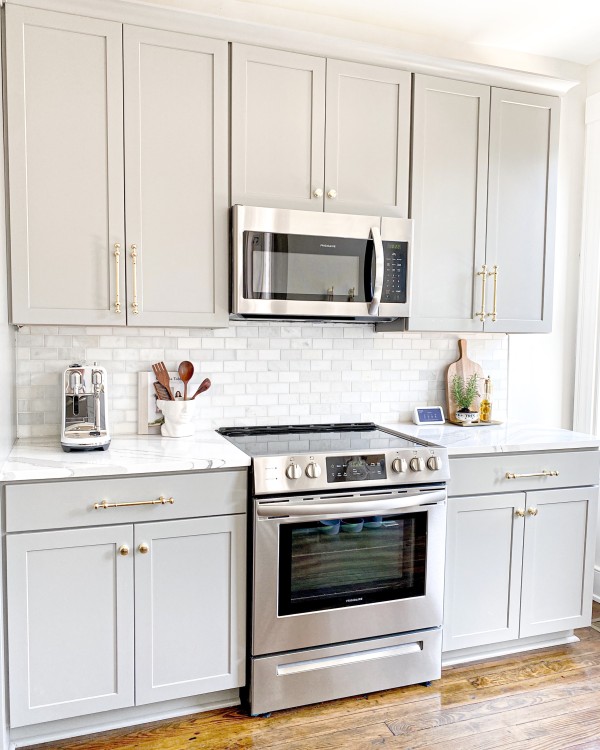
Measure, plan layout, and create a wish list
Accurate measurements prevent costly mistakes. Measure wall length, cabinet height, ceiling height, and window and door locations. Sketch a simple plan or use a free kitchen planner tool.
Make a wish list that includes:
- Storage needs: deep drawers, spice racks, pantries.
- Appliances and their sizes.
- Work zones: prep, cook, clean.
Planning shapes decisions when you buy kitchen cabinets. Clear needs lead to fewer surprises.

Materials, construction quality, and what to look for
Materials affect durability and price. Common materials:
- Plywood: strong and lasts longer.
- MDF: smooth for painted finishes, less water resistant.
- Particleboard: budget option, less durable.
Construction details to check:
- Drawer boxes: dovetail joints are best.
- Face frames vs. full overlay: affects look and use.
- Hardware: soft-close hinges extend life.
When learning how to buy kitchen cabinets, inspect samples and ask about warranty and construction. Quality upfront saves replacement later.

Door styles, finishes, and hardware choices
Choose a door style that fits your home. Popular styles:
- Shaker: simple and versatile.
- Raised panel: traditional and ornate.
- Slab: sleek and modern.
Finish options:
- Painted: many colors, hides grain.
- Stained wood: natural look, shows grain.
- Laminate: durable and low cost.
Hardware matters for feel and function. Pick handles and hinges rated for heavy use. These choices are key when you buy kitchen cabinets because they set the look and daily experience.
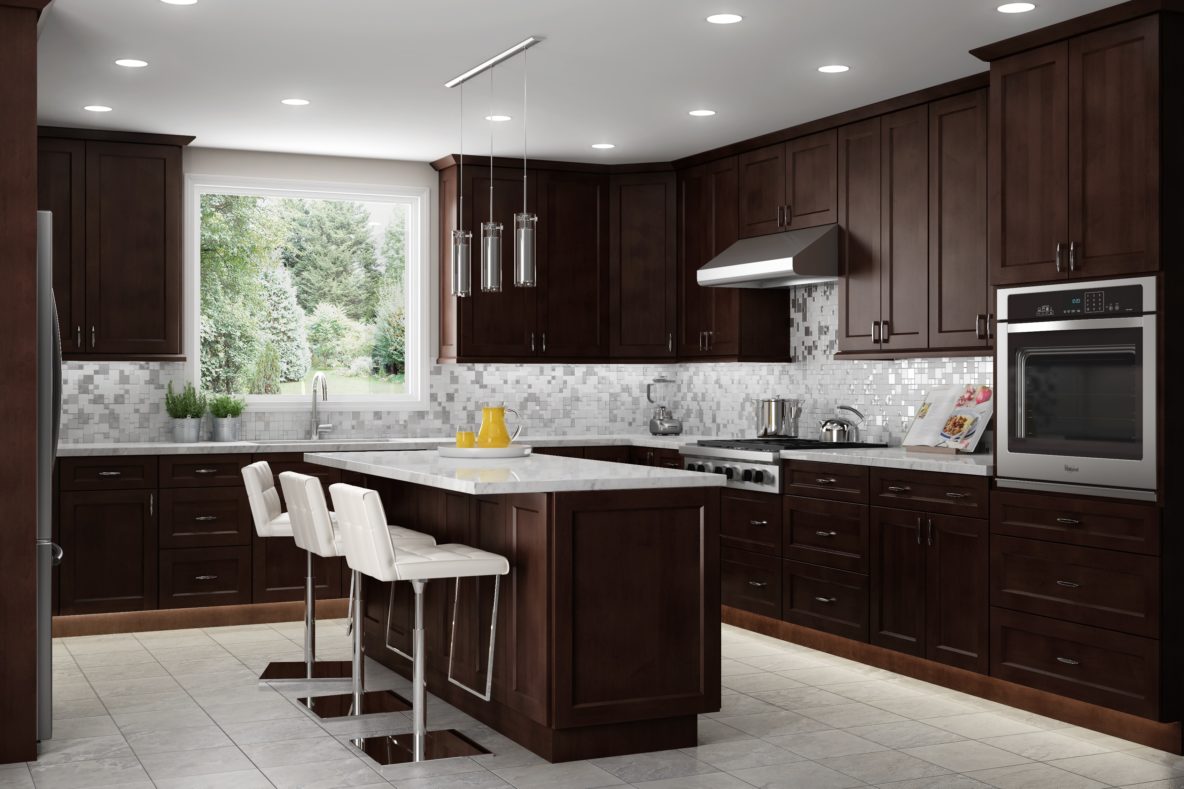
Storage solutions and organization features
Smart storage makes a small kitchen feel larger. Options to consider:
- Deep drawers for pots and pans.
- Pull-out trays and lazy Susans.
- Built-in spice racks, vertical dividers, and pantry organizers.
When you ask how to buy kitchen cabinets, think beyond doors. Storage features add value and make cooking easier.
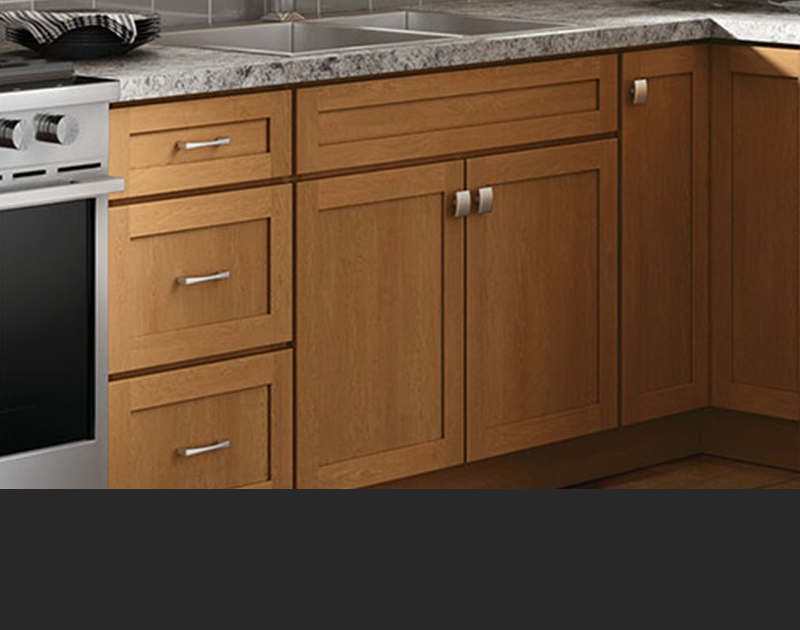
Where to buy: big box, local shop, or custom shop
Each buying source has pros and cons.
- Big box stores: lower price, quick delivery, consistent sizing.
- Local cabinet makers: more flexible, better service, mid-range price.
- Custom shops: tailored fit, highest cost, long lead times.
Visit showrooms. Order samples. Compare warranties. Choosing the right source is a big step in how to buy kitchen cabinets.
Ordering, delivery, and lead times
Confirm measurements before you order. Ask for drawings and a parts list. Check lead times and delivery policies.
Delivery tips:
- Inspect boxes on arrival for damage.
- Keep packaging until installation is complete.
- Schedule delivery on a workday to inspect and accept.
Understanding these steps helps you avoid delays when you buy kitchen cabinets.
Installation, warranty, and maintenance
Decide on DIY or pro installation. Cabinet installation requires square walls and precise leveling. Hiring a pro can save time and prevent mistakes.
Ask about warranties on finishes, hinges, and construction. Keep care instructions for cleaning and maintenance. Good maintenance extends life when you buy kitchen cabinets.
Personal experience, mistakes to avoid, and practical tips
I once ordered cabinets without measuring appliance depth and had to modify a base cabinet. Lesson learned: measure everything twice. I also picked a finish that scratched easily; now I always test samples on-site.
Tips I share with clients:
- Order extra trim pieces for mistakes.
- Choose soft-close hardware for drawers and doors.
- Keep a buffer in the budget for small changes.
These are real lessons from projects I’ve managed that make it easier when you buy kitchen cabinets.
Frequently Asked Questions of how to buy kitchen cabinets
What is the first step when learning how to buy kitchen cabinets?
Begin by measuring your space and setting a clear budget. Sketch a layout and list must-have storage features.
Are custom cabinets worth the extra cost?
Custom cabinets are worth it for irregular spaces or high-end finishes. They cost more but give a perfect fit and unique options.
How long does it take to get cabinets delivered?
Stock cabinets can arrive in days. Semi-custom may take weeks. Custom can take several months depending on complexity and shop schedules.
How do I know if cabinet construction is good quality?
Look for plywood boxes, dovetail drawer joints, and full-extension drawer glides. These features mean stronger cabinets and longer life.
Can I install cabinets myself to save money?
If you have carpentry skills and tools, DIY can save money. For complex layouts or large kitchens, hiring a pro reduces risk and speeds up the job.
How much should I budget for cabinets?
Cabinets typically use 30%–40% of a kitchen remodel budget. Stock options are cheaper and custom is the most expensive. Adjust for finishes and hardware.
What maintenance do cabinets need after purchase?
Wipe spills quickly with mild soap and water. Tighten hardware yearly and follow finish care instructions to keep cabinets looking new.
Conclusion
Buying kitchen cabinets is about planning, measuring, and choosing the right type and source. Follow steps: set a budget, measure carefully, pick materials, and plan storage. Use samples and ask questions to avoid common mistakes.
Take action now: measure your kitchen, write a wish list, and get three quotes. Share your plans or questions below and I’ll help you refine them.