
Seal gaps, deep clean, set baits and traps, remove food and water, and call a pro if needed.
I have spent years helping homeowners solve kitchen pest problems. This guide on how to get rid of roaches in kitchen walks you through quick fixes, long-term prevention, and safe treatments. You will get clear steps, tested tips from field experience, and a simple action plan to remove roaches and keep them away.
Why roaches invade kitchens
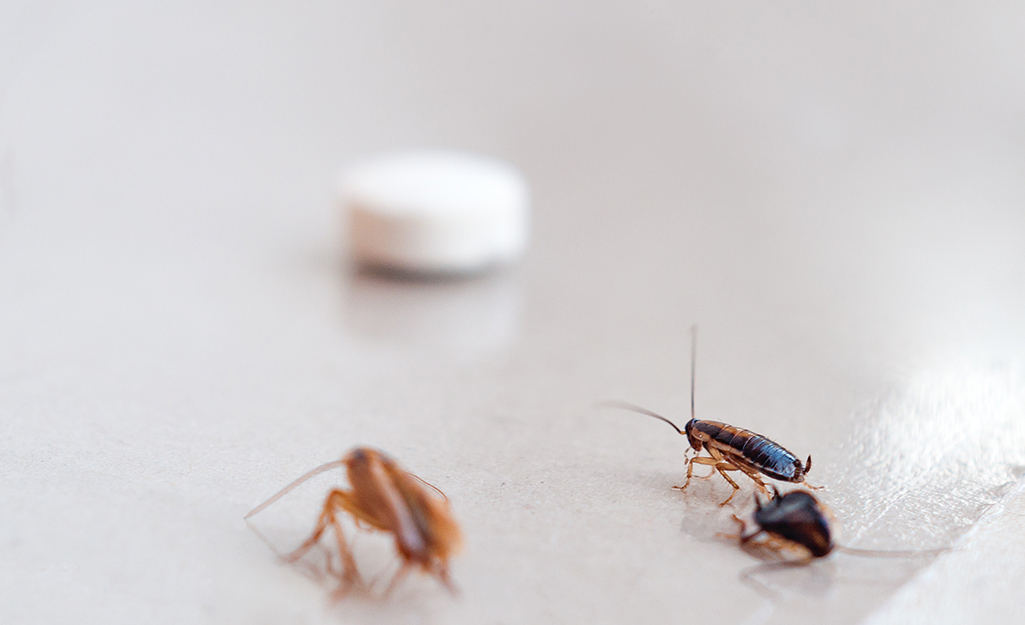
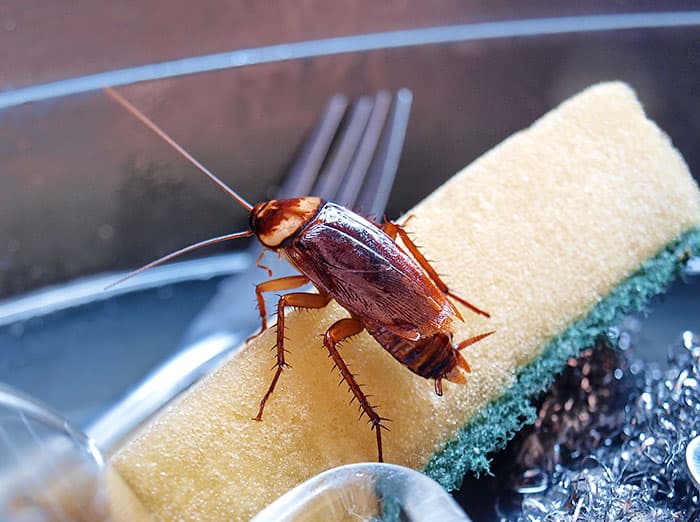
Roaches seek food, moisture, and shelter. Kitchens offer crumbs, grease, leaking pipes, and warm hiding spots. Knowing why they come helps you target control methods and stop repeat infestations. Learning how to get rid of roaches in kitchen means fixing what attracts them in the first place.
Identify species and signs
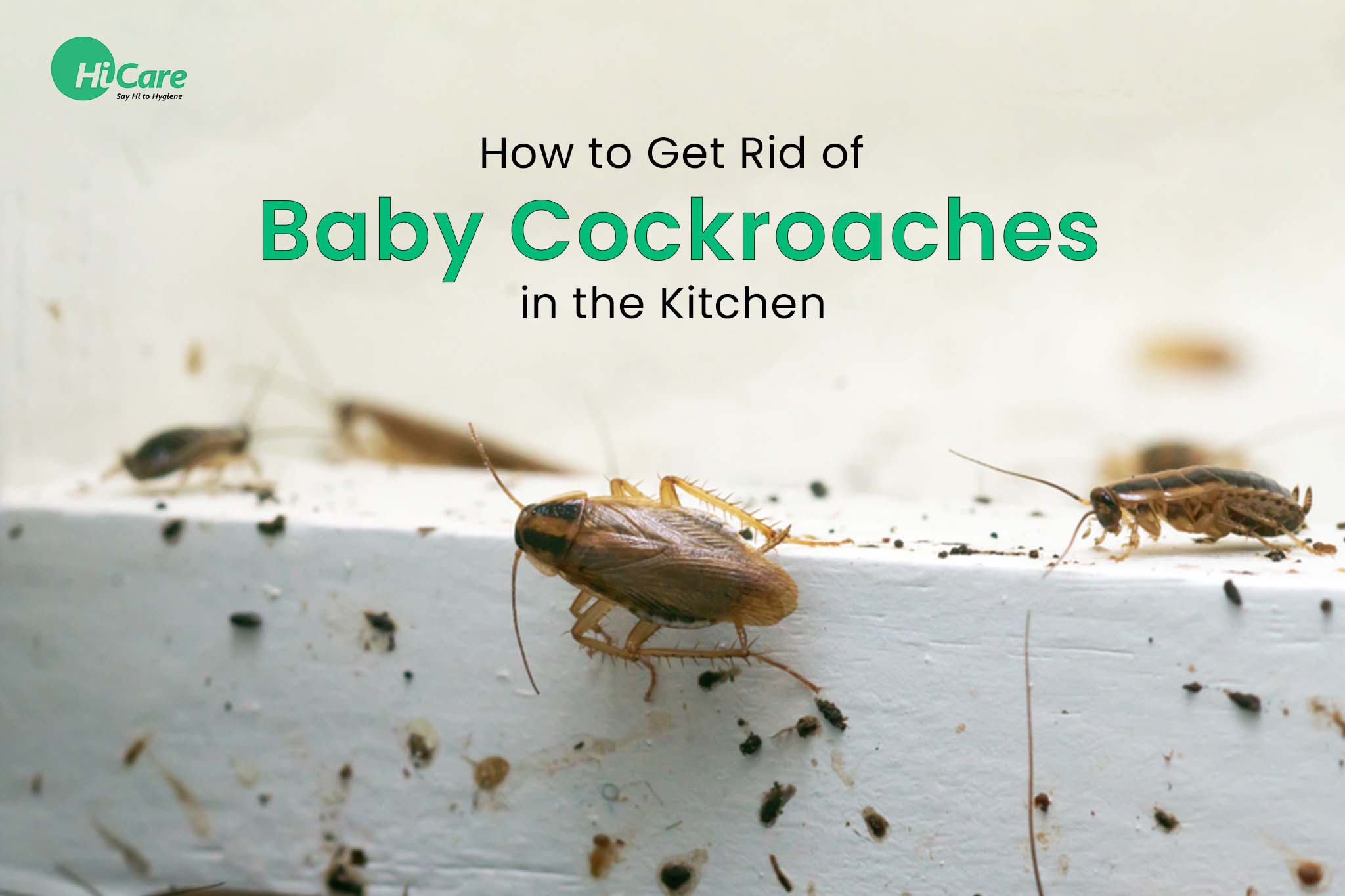
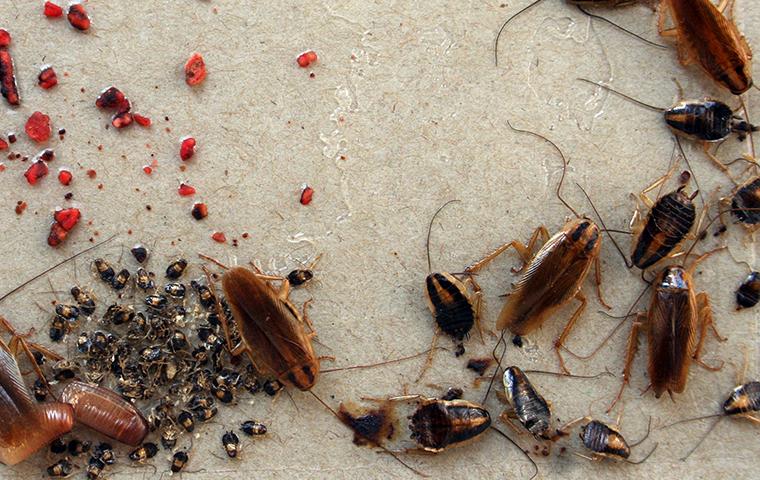
Different roach species behave differently. Common kitchen culprits are German cockroaches, American cockroaches, and oriental cockroaches. Look for live roaches, droppings that look like coffee grounds, egg cases, smear marks, and dead skins. Correct identification helps choose the best baits and placement for control.
PAA-style questions
What does a roach egg case look like?
Egg cases are small, brown or tan capsules about 1/4 to 1/2 inch long. They may be tucked behind appliances or inside cabinets.
How quickly do roaches reproduce?
Some species breed fast; German roaches can produce many egg cases in weeks. That rapid growth is why early action is important.

Sanitation: the foundation
Cleanliness reduces food and water sources. Wipe counters after cooking. Wash dishes promptly and store food in airtight containers. Take out trash daily and clean crumbs from drawers and under appliances.
Keep pet food off counters and avoid leaving standing water in sinks. Fix leaky faucets and under-sink pipes. Regular sanitation makes other control measures far more effective and reduces the need for aggressive chemicals. This is the core of how to get rid of roaches in kitchen.
Seal and remove entry points
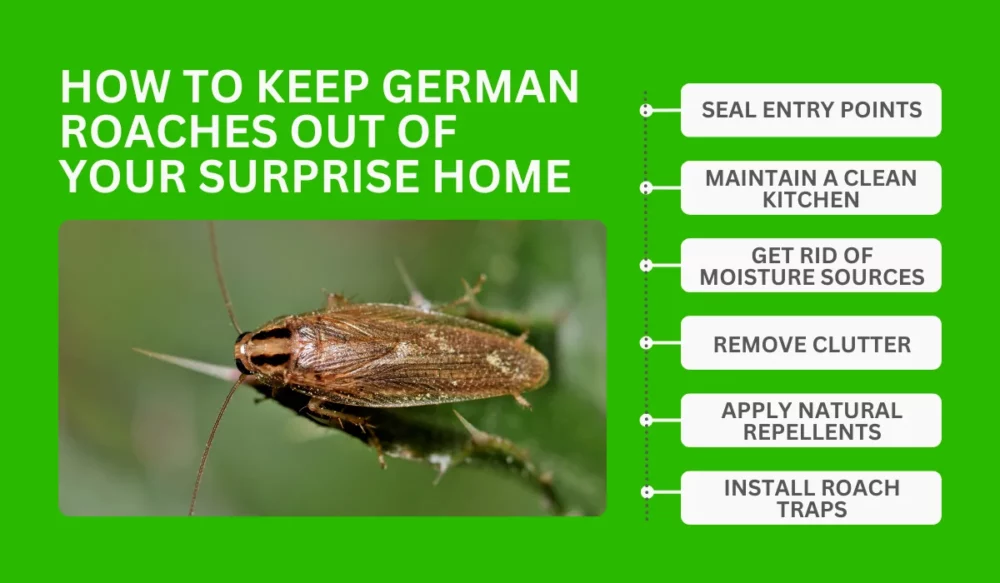
Roaches squeeze through tiny gaps. Inspect baseboards, wall penetrations, vents, and the area around pipes. Use silicone caulk or foam to seal cracks and gaps. Install door sweeps and repair torn window screens.
Reduce clutter and cardboard where roaches hide. Store items on shelves instead of the floor. Sealing entry points is a low-cost way to limit movement and reinfestation when learning how to get rid of roaches in kitchen.
Baits, traps, and insecticides: safe use
Baits are the most effective household method. Use gel baits in cracks, behind stoves, and inside cabinets. Place sticky traps to monitor activity and capture roaming roaches.
When using insecticides, follow label directions. Prefer targeted baits over broad-sweep sprays. Avoid using sprays where food is prepared. Proper bait placement and patience can solve many infestations with minimal spray use and form a central part of how to get rid of roaches in kitchen.

Natural and non-toxic options
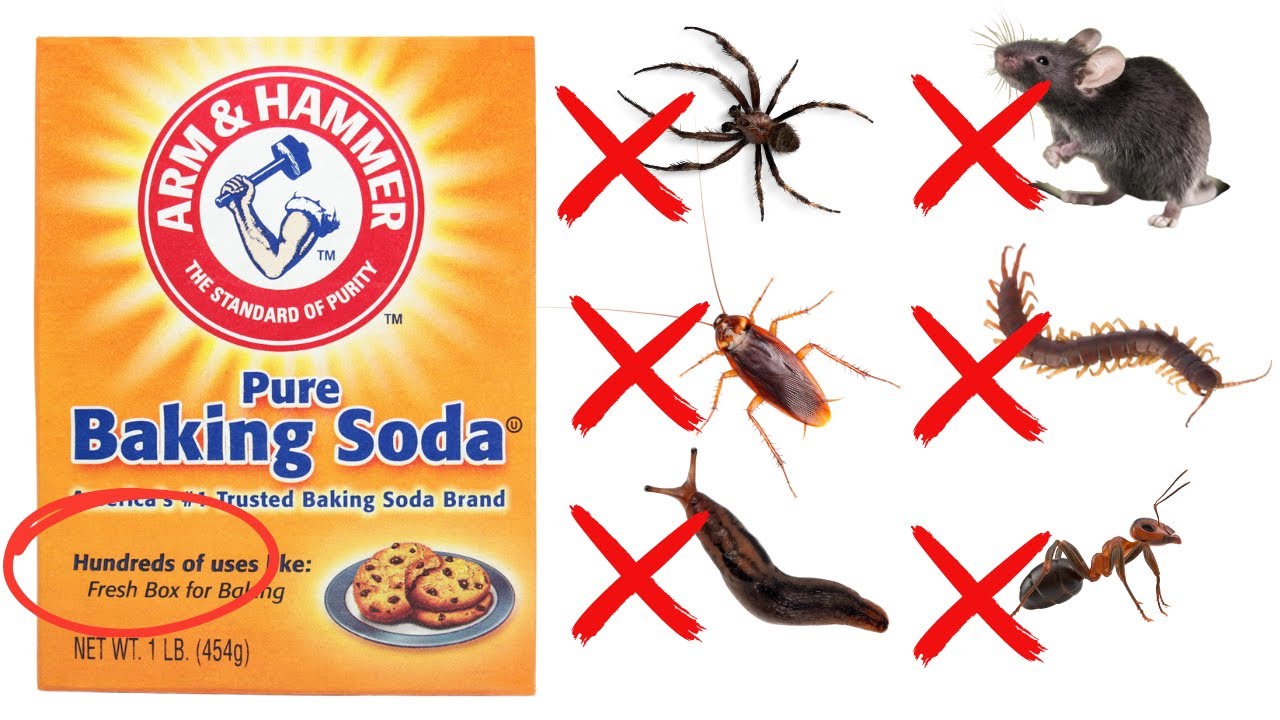
Many people prefer low-toxicity methods. Baking soda mixed with sugar can kill roaches when ingested. Boric acid works well when applied in thin, dry layers in out-of-reach areas. Diatomaceous earth dehydrates insects but must be food-grade and kept dry.
Essential oils like peppermint may repel roaches but are not a stand-alone solution. Natural methods help reduce chemical use and can be part of a layered approach to how to get rid of roaches in kitchen.
Step-by-step action plan
- Inspect and identify where roaches hide and enter. Note droppings and egg cases.
- Deep clean the kitchen. Remove crumbs, grease, and standing water.
- Seal cracks, gaps, and pipe entries with caulk or foam.
- Set gel baits and sticky traps in hotspots. Refresh baits per label instructions.
- Use boric acid or diatomaceous earth in dry hidden spaces if comfortable.
- Monitor weekly. Reapply baits and traps as needed for 4–8 weeks.
- Call a licensed professional if the problem persists or if you prefer guaranteed removal.
This ordered plan helps you act fast and stay organized while learning how to get rid of roaches in kitchen.
When to call a professional
Call a pro if DIY steps fail after several weeks. Professionals offer inspections, targeted treatments, and follow-up plans. They can safely use stronger formulations and provide warranties for removal. For heavy infestations, professional treatment often saves time and prevents recurring problems when trying to get rid of roaches in kitchen.
Common mistakes to avoid
- Using surface sprays as a sole solution can scatter roaches and hide the problem.
- Applying too much powder or bait can prevent roaches from feeding on it.
- Ignoring adjacent rooms and shared walls lets roaches recolonize the kitchen.
- Failing to fix leaks and sanitation issues undoes other control measures.
Avoid these errors to improve success when learning how to get rid of roaches in kitchen.
Personal experience and lessons learned
I once helped a family with a long-term infestation. We found egg cases behind a rarely moved toaster. Deep cleaning, targeted baits, and sealing pipe gaps ended the issue in six weeks. The biggest lesson: small habits, like nightly dishwashing and weekly trash removal, matter more than quick sprays. Practical routines keep roaches out for good and show how to get rid of roaches in kitchen in everyday life.
Frequently Asked Questions of how to get rid of roaches in kitchen
How fast can I expect results after treating?
You can expect to see fewer roaches within days if baits are used correctly. Complete control often takes 4–8 weeks due to life cycles and hidden egg cases.
Are roach sprays safe to use in the kitchen?
Some sprays are safe when used exactly as labeled, but avoid spraying food prep surfaces. Prefer targeted baits and professional treatments to minimize exposure.
Can I use DIY remedies like boric acid and baking soda?
Yes, boric acid and food-grade diatomaceous earth can be effective when placed in dry, out-of-reach spots. Use small amounts and avoid contamination of food areas.
Will cleaning alone get rid of roaches?
Cleaning reduces attraction but usually won’t eliminate an established infestation by itself. Combine sanitation with baits, sealing, and monitoring for best results.
Do pets affect roach control choices?
Pets can be harmed by some baits and powders. Choose pet-safe products, keep pets away from treatment areas, and consult a vet or pro if unsure.
Should I throw away infested items?
You only need to discard heavily infested, porous items like cardboard boxes near hotspots. Cleaning and sealing often allow you to keep most items safely.
Conclusion
Getting rid of roaches in kitchen takes a clear plan, consistent cleaning, and targeted treatments. Start with sanitation, seal entry points, use effective baits, and monitor progress. If the infestation persists, hire a licensed professional for safe, long-term control. Take action now: implement the step-by-step plan, track results weekly, and leave a comment with your situation so others can learn from your experience.