
Most cockroaches are eliminated with baits, sealing entry points, and regular deep cleaning.
I have worked on dozens of kitchen infestations and helped homeowners stop small roach problems fast. This guide explains how to get rid of small cockroaches in kitchen with clear steps, tested tips, and safety notes you can trust. Read on to learn simple fixes and smart long-term plans that really work.

Understanding small cockroaches and why they matter
Small cockroaches are usually German cockroaches or young common species. They breed fast and hide in tiny gaps. These roaches carry germs and can trigger allergies, making quick action important.
Why small cockroaches infest kitchens
Roaches look for food, water, and shelter. Kitchens give them all three in easy reach. If you see even one, many more likely hide nearby.
How to identify small cockroaches in your kitchen
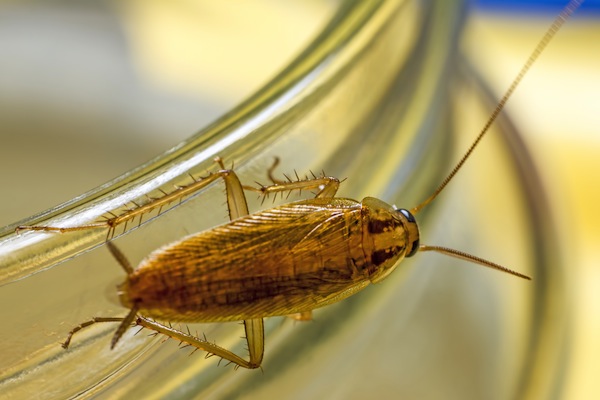
Small roaches are brown to tan and about 1/4 to 1/2 inch long. You may spot tiny egg cases or fast runners at night. Check under sinks, behind appliances, and in cabinets near pipes.
Step-by-step plan to get rid of small cockroaches in kitchen
Start with a clear, organized plan. Do each step and repeat until activity stops. I use this plan in homes and rental units with good results.
- Clean surfaces and remove crumbs daily. Wipe counters, sweep floors, and empty the trash each night.
- Eliminate water sources by fixing leaks. Dry sinks and under-sink areas after use.
- Seal cracks and gaps around pipes, baseboards, and windows. Small roaches squeeze through very tiny openings.
- Use bait stations placed near hideouts and along walls. Baits attract and kill roaches at the nest.
- Place sticky traps to monitor activity and key routes. Traps show where to focus treatment.
- Clean and rotate food storage methods. Store food in sealed containers and avoid leaving pet food out.
My mistake early on was skipping sealing work. Baits killed roaches, but open gaps let new ones come in. Seal first and treat next for best results.
DIY baits and traps that work
Home baits can be effective when used correctly. Mix and place baits carefully and keep them away from kids and pets.
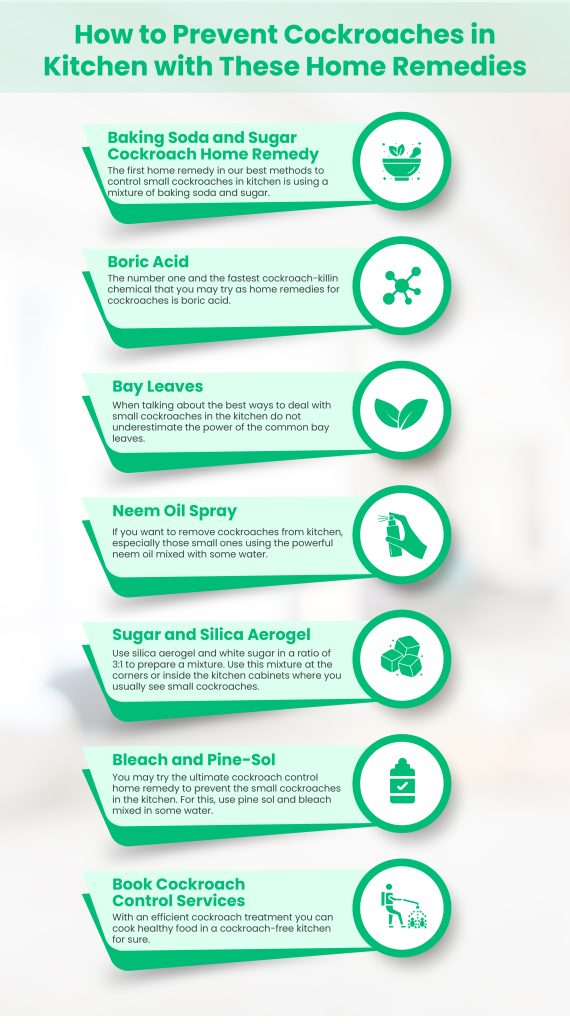
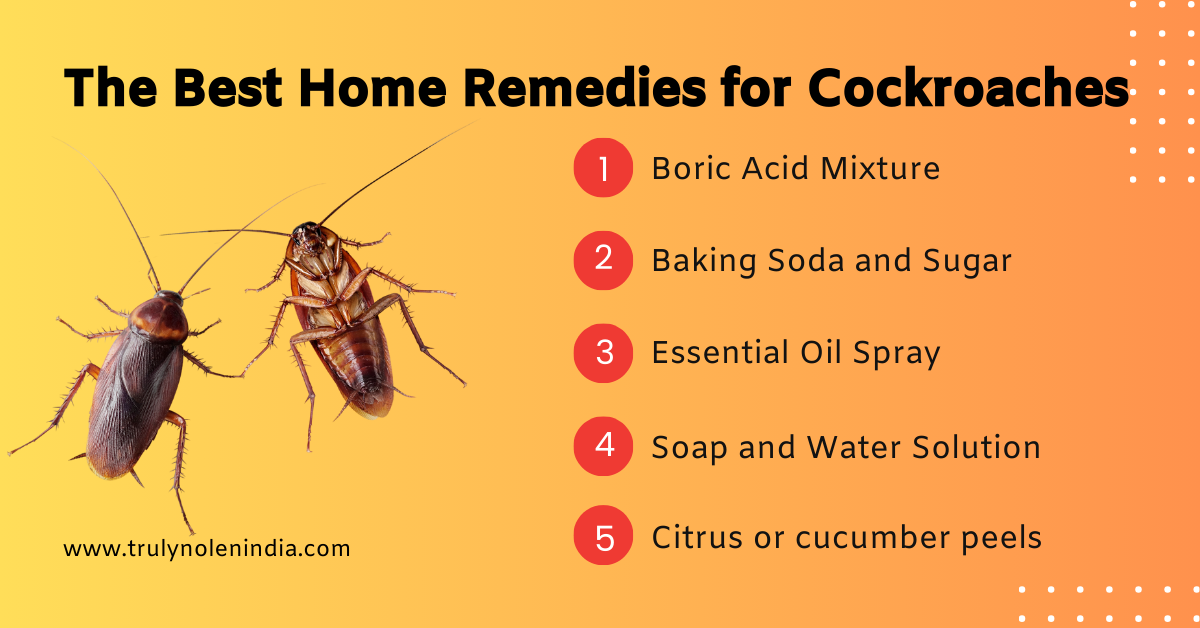
- Boric acid bait: Mix boric acid with sugar or powdered peanut butter to attract roaches. Place small amounts behind appliances and in cabinets.
- Baking soda mix: Combine baking soda and sugar; roaches ingest it and it creates internal gas. Use this only in sealed bait spots.
- Store-bought gel baits: Apply small drops in cracks and crevices. Gels are easy to place and target colonies.
- Glue or sticky traps: Set traps along walls and behind appliances. Check traps daily to see if the plan is working.
When I used boric acid, I placed tiny dots where children could not reach. That kept the household safe and reduced activity in two weeks.
When to call a pro and safe chemical options
Call a professional if roaches persist after a few weeks of correct DIY steps. Pros use targeted sprays and dusts that reach nests behind walls and in voids.
- Professional dusts: These work in wall voids and are long lasting. They require trained application.
- Insect growth regulators: IGRs stop young roaches from maturing and lower breeding fast. They help when populations are high.
- Targeted sprays: Used for quick knockdown and spot treatment. Follow safety instructions closely.
- Safety note: Keep children and pets away from treated areas until product instructions allow re-entry. Professionals follow strict safety procedures.
A pro visit helped once when a shared wall passed roaches between units. The technician treated the voids and advised sealing and baiting on both sides.

Long-term prevention and monitoring
Prevention keeps your kitchen roach-free for good. Small habits make a big difference over time.
- Keep counters and floors spotless and crumb-free. Wipe spills immediately.
- Store food in airtight containers. Avoid leaving pet food out overnight.
- Take out trash nightly and clean bins regularly. Use sealed trash cans.
- Inspect and seal entry points each season. Check weather stripping and pipe collars.
- Use sticky traps monthly to catch early activity. Early detection makes control simple.

Frequently Asked Questions of how to get rid of small cockroaches in kitchen
How fast can I get rid of small cockroaches in kitchen?
You can reduce visible roaches in days with baits and cleaning. Full elimination usually takes several weeks to break the breeding cycle.
Are DIY baits safe around kids and pets?
Some baits are safe when placed out of reach, but many contain toxic ingredients. Use tamper-resistant stations and keep products secured.
Will cleaning alone solve a roach problem?
Cleaning helps a lot but usually does not solve established infestations on its own. Combine cleaning with baits, sealing, and traps for best results.
Can I use household sprays to kill roaches?
Household sprays can kill roaches on contact but may not reach nests. Use sprays for spot control and baits for lasting results.
When should I hire a pest control professional?
Hire a pro if roaches return after correct DIY steps or if you see many egg cases and nymphs. Professionals tackle deep infestations and shared-wall issues.
Conclusion
You can get rid of small cockroaches in kitchen with a steady plan: clean, seal, bait, and monitor. Start today with simple steps and stay consistent for lasting results. Try one tactic this week, track progress, and share your success or questions in the comments below.