
You can grate cheese without a grater using a knife, peeler, food processor, or freezer trick.
I’ve spent years cooking for friends and family, and I know how annoying it is to need shredded cheese when a grater is missing. This guide on how to grate cheese without a grater explains simple, reliable techniques, when to use each one, safety tips, and which cheeses work best. Read on to find the fastest, safest ways to get fluffy, melt-ready cheese using tools you already have.

Why you might need to grate cheese without a grater
Many kitchens lack a hand grater. Small apartments, travel kitchens, or busy nights can leave you without one. Knowing how to grate cheese without a grater saves time and prevents ruined dishes. These methods are easy, and most use common tools like knives, peelers, or appliances. I’ll share what works best for soft, semi-hard, and hard cheeses based on real cooking tests and experience.
Quick methods to grate cheese without a grater
Here are practical methods you can use right now. Each method includes a short step-by-step and when it works best.
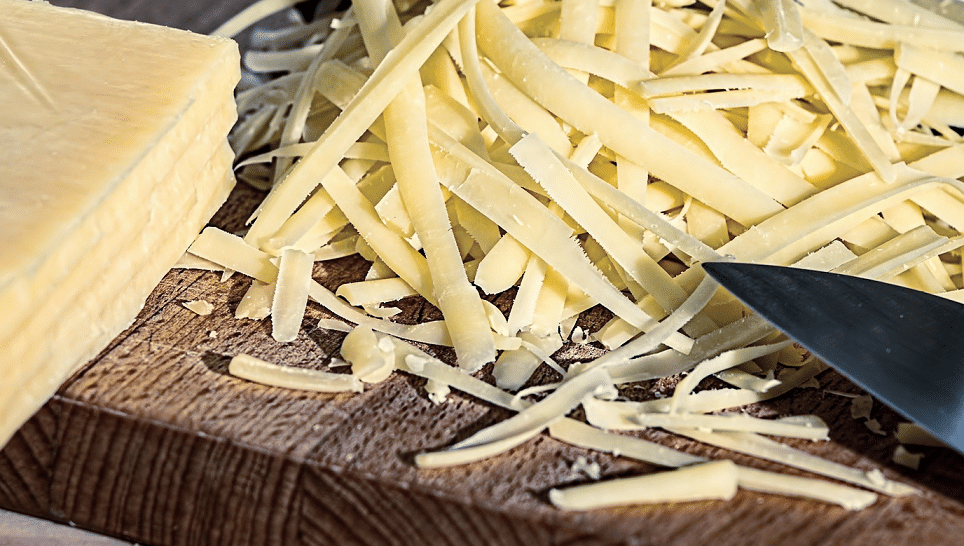
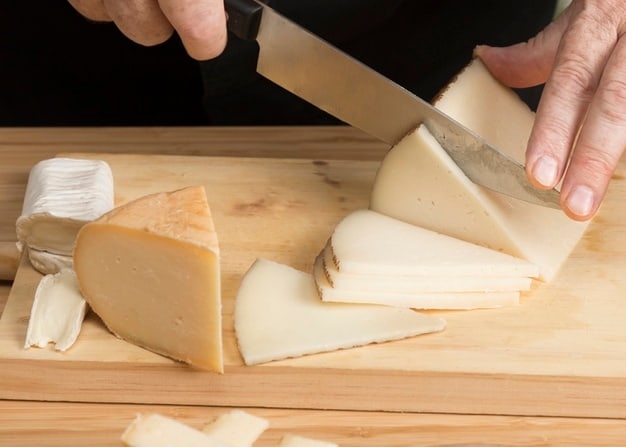
1. Knife method — fine dice or thin shreds
- Chill the cheese for 10–20 minutes to firm it. Cold cheese cuts cleaner.
- Slice the block into thin slabs.
- Stack slabs and cut into thin matchsticks.
- Turn the matchsticks and chop into fine shreds or small pieces.
Best for: Cheddar, Monterey Jack, Gouda. This is my go-to when I don’t have a grater.
2. Vegetable peeler — ribbons and thin strips
- Use a standard vegetable peeler on the cheese edge.
- Peel along the block to get long ribbons.
- Stack and slice ribbons into shorter strips if needed.
Best for: Semi-soft cheeses and firm cheeses like firm mozzarella and young Parmesan.
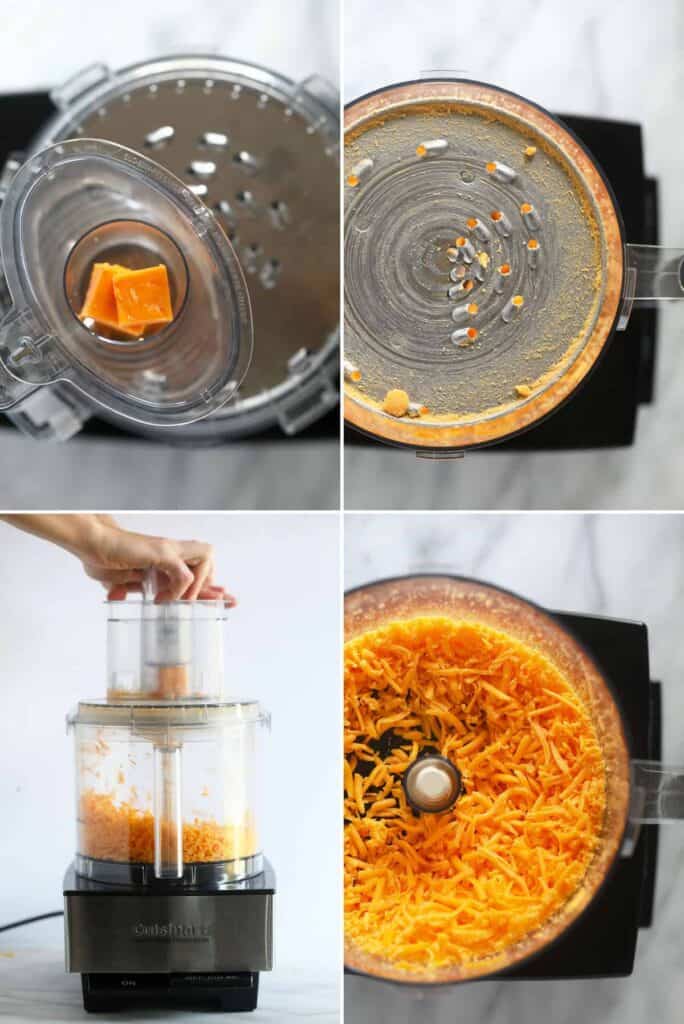
3. Food processor — quick shredding
- Cut cheese into 1-inch cubes.
- Use a shredding disk or pulse with the blade for short bursts.
- Watch closely; processors can overwork soft cheese.
Best for: Large batches of cheddar, pecorino, or parmesan substitutes. This method works fast but needs a shredder disk if available. If your processor lacks a disk, pulse to break the cheese into small pieces.
4. Blender — small amounts only
- Chill cheese until very firm.
- Cut into small cubes.
- Pulse in short bursts with a steady hand.
- Check frequently to avoid clumping.
Best for: Hard cheeses in small quantities when no processor exists.
5. Freezer-then-scrape — frozen cheese shavings
- Freeze the cheese for 30–60 minutes until firm but not rock hard.
- Use the side of a sharp knife or a sturdy metal spatula to scrape the surface.
- Collect the flakes that form.
Best for: Hard and aged cheeses like Parmigiano-Reggiano or aged cheddar.
6. Mortar and pestle or rolling pin — crush and crumble
- Cut or break cheese into chunks.
- Use a mortar and pestle to crush into coarse crumbs.
- Or place in a zip bag and roll with a rolling pin.
Best for: Topping salads, mixing into sauces, or when you want coarse bits.
7. Fork or grater alternative tools
- For soft cheeses like ricotta salata, use a fork to pull threads while chilled.
- For crumbly cheeses, a fork or two knives can flake them into pieces.
Best for: Soft, spreadable cheeses and crumbly varieties like feta.
Which cheeses are best for each non-grater method
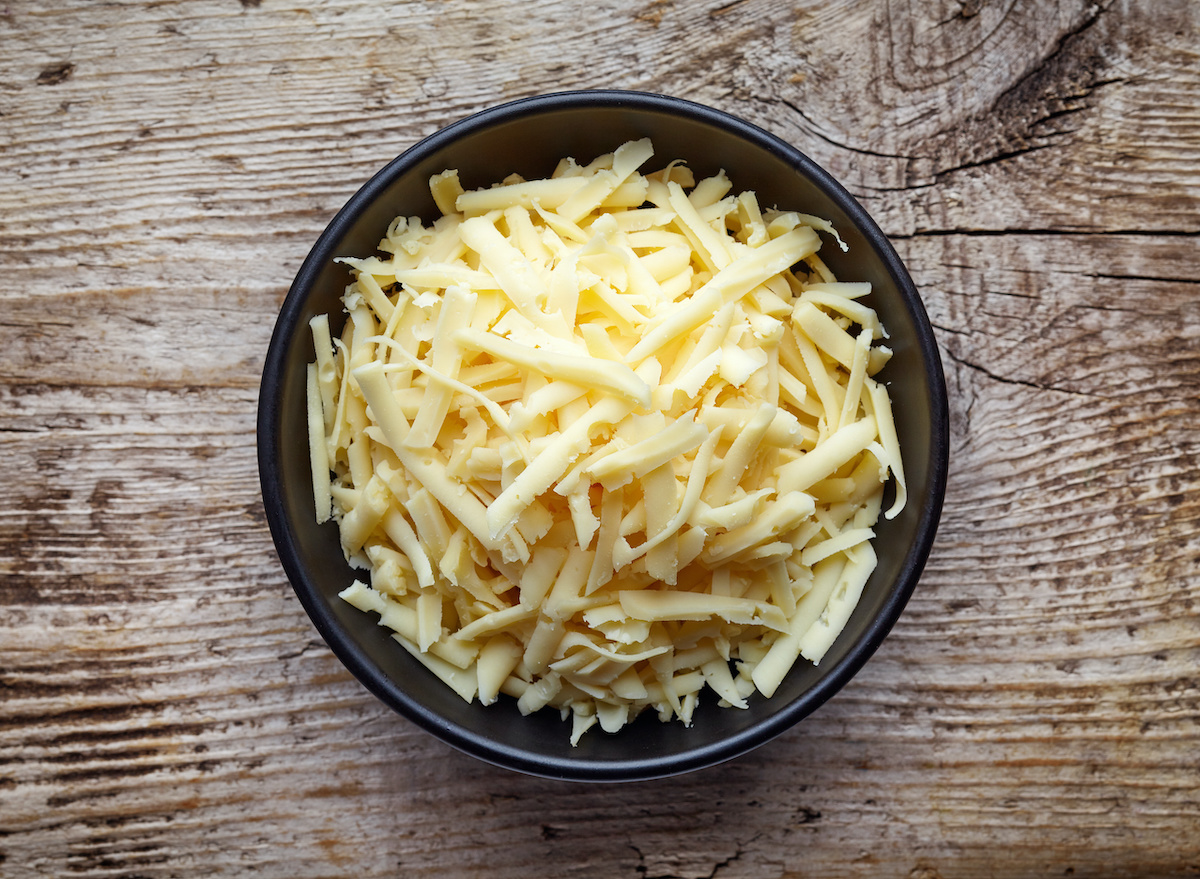
Understanding cheese texture helps you pick the right technique.
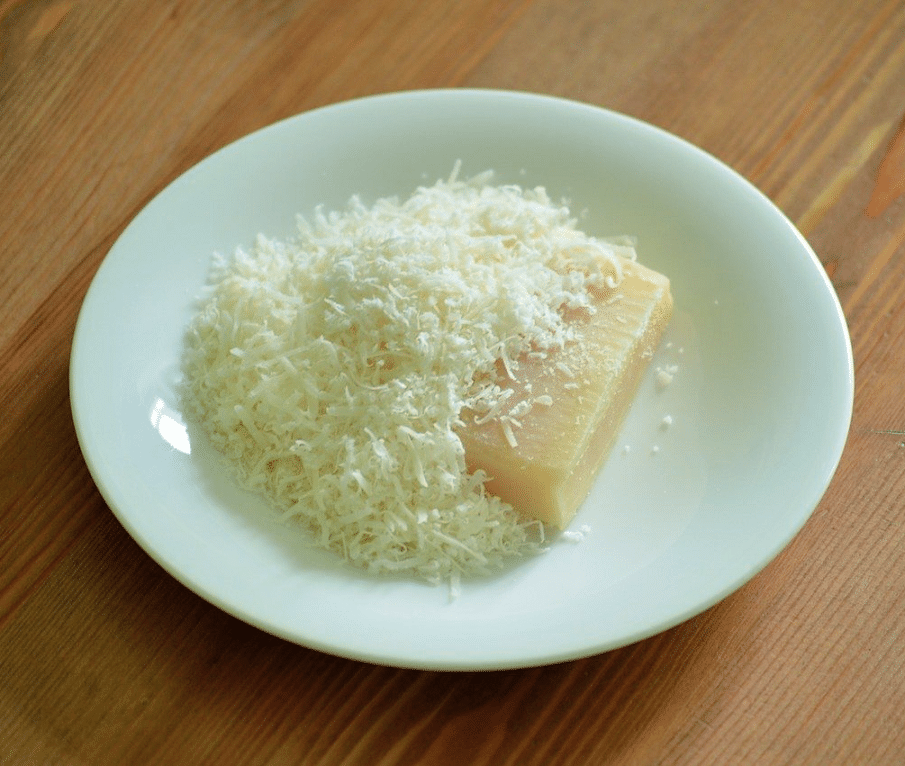
- Hard cheeses (Parmesan, Pecorino): Freeze briefly and scrape; use a knife for thin shards. These respond well to scraping because they break into flakes.
- Semi-hard cheeses (Cheddar, Gouda, Gruyère): Knife method or food processor works best. They cut cleanly when cold.
- Soft cheeses (Mozzarella, Burrata, Fresh Goat): Use a peeler for ribbons or tear by hand. Soft cheeses can clump in appliances.
- Crumbly cheeses (Feta, Cotija): Fork, crumble by hand, or pulse gently in a food processor.
I learned from practice that chilling cheese 10–30 minutes makes nearly every technique simpler. Warm cheese is sticky and messy.
Practical tips, safety, and mistakes to avoid
A few safe habits make a big difference.
- Always chill cheese before cutting or processing. Cold cheese is firmer and safer to handle.
- Use a sharp knife. Dull knives slip and cause cuts.
- Keep finger tips tucked when slicing. Use a claw grip.
- Work on a stable cutting board. Stop if the board moves.
- Avoid over-processing soft cheese. It will clump and become gummy.
- Dry tools and cheese well before freezing or shredding for crisp results.
Common mistake: trying to grate room-temperature mozzarella quickly in a blender. That causes a paste. Learn to slow down and check progress.
Storage and serving tips for grated or shredded cheese
How you store grated cheese affects freshness and meltability.
- Short-term fridge: Store in an airtight container or resealable bag for up to 5 days. Press out air.
- Long-term: Freeze portions in a zip bag, removing air. Frozen shredded cheese is easiest to use in cooked dishes.
- Prevent clumping: Toss grated cheese with a small pinch of cornstarch or flour to keep pieces separate for storage.
- Serving: Bring refrigerated shredded cheese to room temperature for 10–15 minutes before using on cold dishes. For melting, add directly to hot pans from chilled or frozen state.

PAA-style quick questions
These short answers match common quick-search queries.
Can you grate cheese with a knife?
Yes. Slice the block into thin slabs, cut into matchsticks, then chop those into fine shreds. Chilling the cheese first makes cutting cleaner.
How long should I freeze cheese before grating it without a grater?
Freeze cheese for 30–60 minutes until firm but not rock solid. That short chill helps you scrape or slice thin flakes safely.
Is a food processor safe for soft cheese?
Food processors work best for firm or semi-firm cheese. For soft cheese, pulse briefly and check often to avoid a paste.

Personal experience and real-life tips
Years of cooking have given me a few reliable habits.
- I keep a small peeler in my prep drawer. It’s saved many meals when the grater was missing.
- My rule: if I need cheese melted evenly, I use the knife method or processor. If it’s a salad topping, peeler ribbons are prettier.
- Once I tried grating warm brie in a blender — it turned to paste. Now I always chill creamy cheeses.
- Lesson learned: invest in knife skills. A sharp knife and steady hand will beat improvised methods for quality.
Limitations and when to buy a grater
There are trade-offs to every workaround.
- Speed: A grater is often faster for small tasks than hand-chopping.
- Texture: None of these methods perfectly mimic fresh-grated texture from a fine box grater.
- Volume: If you grate large amounts weekly, a dedicated shredder or grater disk saves time.
If you grate cheese often, a small, inexpensive grater or box grater is a worthy purchase.

Related uses and recipe ideas
How to use shredded cheese from non-grater methods.
- Melting: Add directly to sauces, casseroles, or omelets.
- Topping: Use peeler ribbons for salads and prosciutto plates.
- Mixing: Fold crumbled or shredded cheese into batter for savory muffins.
- Garnish: Freeze and scrape Parmesan shards for pasta finish.
Frequently Asked Questions of how to grate cheese without a grater
What’s the best way to grate Parmesan without a grater?
Freeze for 30–60 minutes, then scrape with a knife or metal spatula to make flakes. You can also break into chips and shave with a knife.
Can I use a food processor instead of a grater?
Yes. Cut cheese into cubes and pulse or use the shredding disk. Watch closely to avoid over-processing soft cheeses.
Will freezing change the flavor of the cheese?
Short freezes (under 3 months) change texture more than flavor. Aged cheeses keep flavor well; fresh cheeses may become slightly crumbly.
How do I stop shredded cheese from clumping in storage?
Toss the shredded cheese with a small pinch of cornstarch or flour before sealing in a bag or container. This separates the pieces and prevents clumps.
Is using a knife safer than a grater?
A sharp knife used with good technique can be safe. Graters expose fingers to the blade when finishing a piece. Use stable tools and proper grip either way.
Conclusion
Now you have clear, tested ways to grate cheese without a grater. Use a knife, peeler, food processor, or freezer trick depending on the cheese and the amount you need. Try one method tonight and see how it changes your cooking flow.
Take action: pick one technique that fits your kitchen and practice it once this week. If you found a tip helpful, share your story or question in the comments and subscribe for more easy kitchen hacks.