Measure rice using the rice-cooker cup and the cooker’s water lines—1 cup rice to 1–1.5 cups water.
I’ve cooked rice in dozens of cookers and tested ratios, cups, and scales to find what works. This guide shows exactly how to measure rice correctly for a rice cooker, why it matters, and simple steps you can use right now. You’ll get clear rules for common rice types, the tools to trust, real mistakes I made (so you don’t), and quick fixes when rice turns out too wet or dry. Read on for reliable results every time.
Why correct rice measurement matters
Measuring rice for a rice cooker is not just about counting cups. It sets the rice-to-water balance. That balance controls texture, stickiness, and how well the grains cook. Too little water makes rice hard. Too much water makes rice mushy. A consistent measure means consistent results.
Common goals when you measure rice correctly for a rice cooker:
- Get fluffy, separate grains for jasmine or basmati.
- Get tender, slightly chewy grains for brown rice.
- Get sticky, clumped rice for sushi or sticky rice.
Small changes in measure change results a lot. Learning proper measurement saves time and prevents food waste.

Understand rice-to-water ratios
Rice type and age change how much water rice needs. Use these general rules when you measure rice correctly for a rice cooker.
Basic ratios (rice : water by volume)
- White long-grain (jasmine, basmati): 1 : 1 to 1 : 1.25
- Short-grain white (sushi): 1 : 1.1 to 1 : 1.3
- Brown rice (long or short): 1 : 1.5 to 1 : 2
- Sticky/glutinous rice: 1 : 0.8 to 1 : 1 (soak for best results)
If you prefer grams and precision
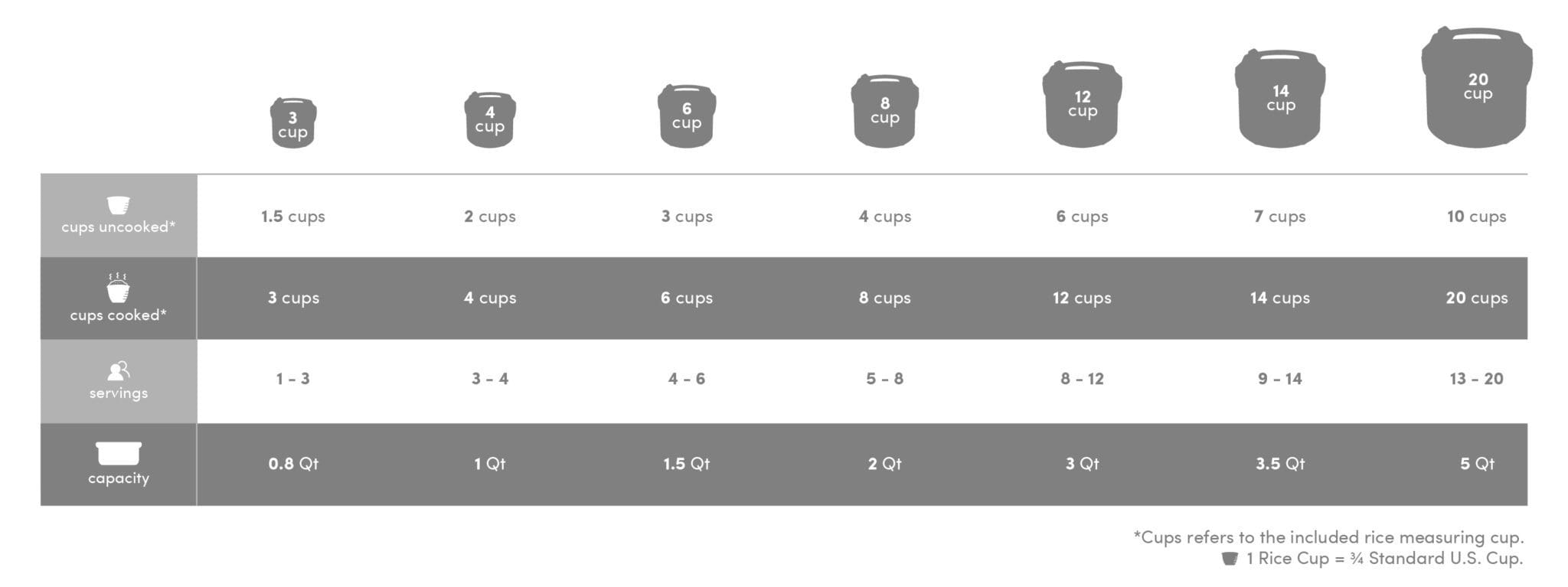
- 1 rice-cooker cup ≈ 180 ml. That is roughly 150 grams of uncooked white rice.
- 1 US cup = 240 ml. So adjust water when using US cups.
Rice age matters. Older rice soaks up more water. Rinse and drain rice; that also slightly raises water needs. Practice one small batch to tune ratios for your cooker.
Tools to measure rice accurately
Good tools make measuring repeatable and simple. Here’s what to use when you measure rice correctly for a rice cooker.
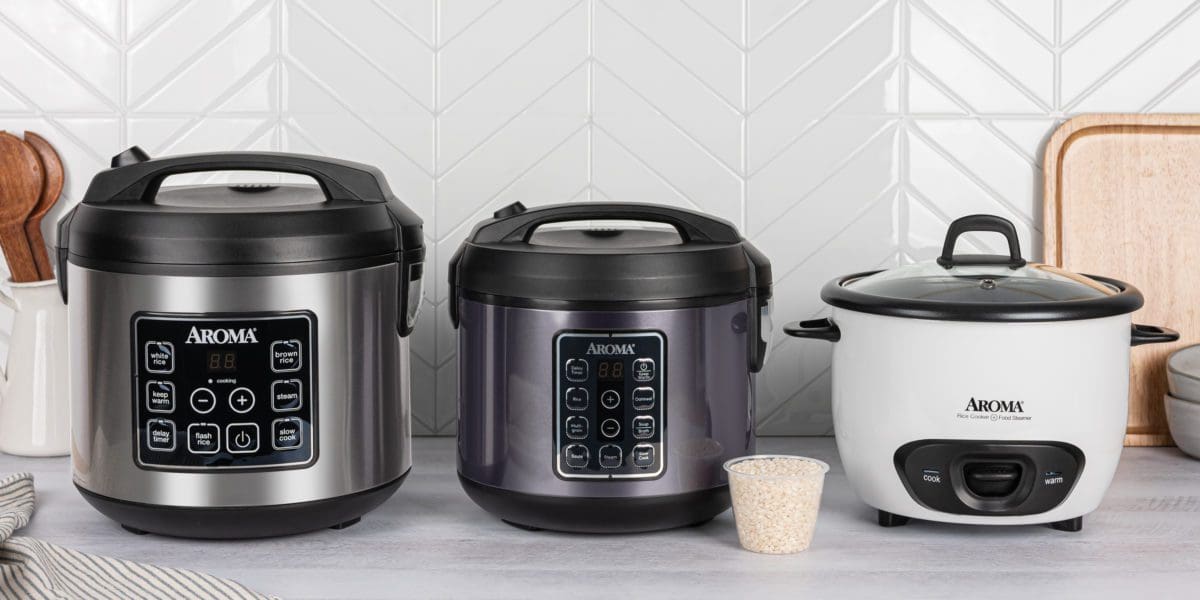
- Rice-cooker cup
- Most rice cookers include a small cup around 180 ml. Use it for the cooker’s markings.
- Fill level should be even, not heaped.
- Kitchen scale
- Weigh rice for precise results: 150 g per rice-cooker cup for white rice is a solid target.
- Scales remove guesswork when switching cookers or recipes.
- Measuring cups (US)
- If you use a US cup, convert: 1 US cup dry white rice ≈ 185–195 g.
- Adjust water based on the larger cup size.
- Water lines inside the cooker
- Follow the cooker’s internal marks labeled by cup count. They match the rice-cooker cup.
I switched to a scale during tests and saw more consistent results across rice types. If you want dependable rice every time, a cheap digital scale is worth it.
Step-by-step guide to measuring rice for a rice cooker
Follow these simple steps to measure rice correctly for a rice cooker and get great rice every time.
- Choose how much rice you want
- Use the rice-cooker cup for portion counts, or weigh for precision.
- Rinse the rice (optional but recommended)
- Rinse until water runs mostly clear to remove surface starch. Drain well.
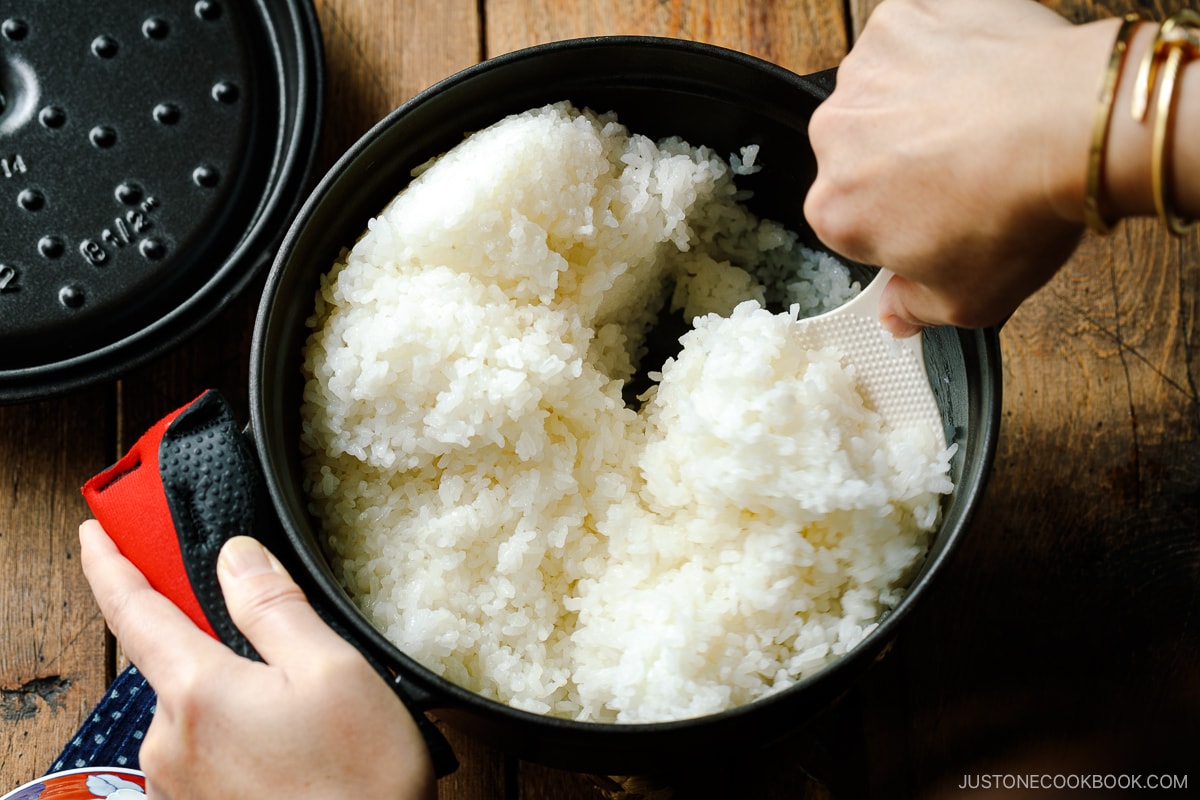
- Put rice in the cooker pot
- Level the rice. Don’t pack it down.
- Add water using the matching method
- If using the rice-cooker cup, fill to the cooker’s water line for that cup number.
- If using a scale, add water by weight: aim for the ratio (for white rice) of about 1 : 1.1 by volume, or roughly 1 part rice (g) to 1.1 parts water (ml) as a start.
- Stir once, then close the lid
- No need to mix repeatedly. Let the cooker do the work.
- Let rice rest after cooking
- Keep the lid closed and let rice steam in the cooker 10–15 minutes to firm up.
If your first batch is too firm or soft, adjust water by 1–2 tablespoons per rice-cooker cup and try again.
Tips for different rice types
Different rice types need small tweaks when you measure rice correctly for a rice cooker.
- Jasmine and long-grain white
- Use 1 : 1 to 1 : 1.25. Aim for fluffy, separate grains.
- Basmati
- Rinse, soak 20–30 minutes, then 1 : 1 to 1 : 1.25 for fluffiness.
- Short-grain and sushi rice
- Use 1 : 1.05 to 1 : 1.25 and a little more rinsing to reduce stickiness.
- Brown rice
- Use 1 : 1.5 to 1 : 2. Soak 30 minutes to shorten cook time and improve texture.
- Sticky/glutinous rice
- Soak 4–6 hours or overnight. Use slightly less water in the cooker if you steam instead.
When adding salt, oil, or vinegar, do that after measuring. These change flavor, not the rice-to-water ratio.
:max_bytes(150000):strip_icc()/Drained-Rice-c5ef499ee5e94ed2ad473babf01186a1.jpg)
Common mistakes and how to avoid them
Avoid these frequent measurement errors when you measure rice correctly for a rice cooker.
- Using the wrong cup
- Don’t use a US cup with a cooker marked for rice-cooker cups. Convert or use a scale.
- Not leveling the cup
- Heaped rice gives unpredictable results. Level the rice for consistency.
- Forgetting to account for rinsing or soaking
- Rinsed rice needs slightly more water. Soaked rice needs slightly less cooking water.
- Ignoring cooker-specific quirks
- Different brands and models vary. Test and note your cooker’s sweet spot.
- Skipping the rest time
- Removing the lid right away causes uneven moisture. Rest rice for 10–15 minutes.
I once used a US cup and ended up with very soft rice. After switching to the rice-cooker cup and weighing a few batches, my rice improved dramatically.

Troubleshooting inconsistent results
If rice is too hard, too soft, or uneven, check these fixes when you measure rice correctly for a rice cooker.
- Rice is hard or undercooked
- Add 1–2 tablespoons more water per rice-cooker cup next time. Let rice rest longer.
- Rice is mushy
- Reduce water by 1–2 tablespoons per rice-cooker cup. Use less soaking time.
- Rice cooks unevenly
- Stir before cooking to level rice. Use a scale to measure rice and water precisely.
- Rice sticks to the bottom
- Rinse more thoroughly. Add a teaspoon of oil to the pot for nonstick help.
People also ask
How much water per cup of rice in a rice cooker?
Use the cooker’s water lines with its rice-cup, or for white rice, start at about 1 : 1.1 (rice : water) by volume and adjust by small amounts. For brown rice, use more water, about 1 : 1.5 to 1 : 2.
Can I use a kitchen scale in my rice cooker?
Yes. Weigh rice and water for consistent results. A scale removes cup-size confusion and helps when switching rice types.
Does rinsing change water needs?
Yes. Rinsed rice usually needs slightly more water because surface starch and some moisture are removed during rinsing. Account for this by adding a tablespoon or two.

Frequently Asked Questions of How to measure rice correctly for a rice cooker
How many cups of rice does a rice cooker cup hold?
A rice-cooker cup typically holds about 180 ml, which is smaller than a US cup. Use the cooker cup with the cooker’s water lines for best results.
Should I use a rice-cooker cup or a US measuring cup?
Use the rice-cooker cup when following the cooker’s markings. If you use a US cup, convert measurements or use a scale to avoid errors.
How do I measure rice for sticky rice in a rice cooker?
Soak sticky rice for several hours, drain well, and use roughly equal parts rice to water by volume. Adjust slightly to control stickiness.
Can I measure rice by weight instead of volume?
Yes. Measuring by weight is more precise. Aim for about 150 g of uncooked white rice per rice-cooker cup as a starting point.
What if my rice cooker has no internal markings?
Use a rice-cooker cup and a kitchen scale, or follow standard volume ratios and test small batches to find the right water level for your model.
Conclusion
Measuring rice correctly for a rice cooker is simple once you learn a few rules: use the rice-cooker cup or a scale, follow rice-specific ratios, rinse or soak appropriately, and adjust in small steps. Try a small batch, note what worked, and repeat. With a little practice you’ll get reliably great rice every time. Try these tips tonight, leave a comment with your cooker model and rice type, and subscribe for more practical kitchen guides.