
Use zones, tiers, dividers, and trays to sort items by use, size, and frequency.
I’ve helped organize dozens of kitchens and taught people practical systems that last. This guide on how to organize a deep kitchen drawer explains clear steps, smart products, and simple habits you can use today. Read on to learn proven layouts, measured tips, and mistakes to avoid so your deep drawer becomes a tidy, useful space.

Why organize a deep kitchen drawer
A deep kitchen drawer can store bulky tools, pots, lids, or small appliances. Left unmanaged, it turns into a jumbled jam that wastes time and space. Learning how to organize a deep kitchen drawer makes cooking faster and keeps fragile items safe.
Good organization improves access and reduces clutter. It also protects cookware from scratches and helps you see what you own. I often find people underestimate drawer depth and pack items vertically. With a few changes, a deep drawer becomes one of the best storage spots in the kitchen.
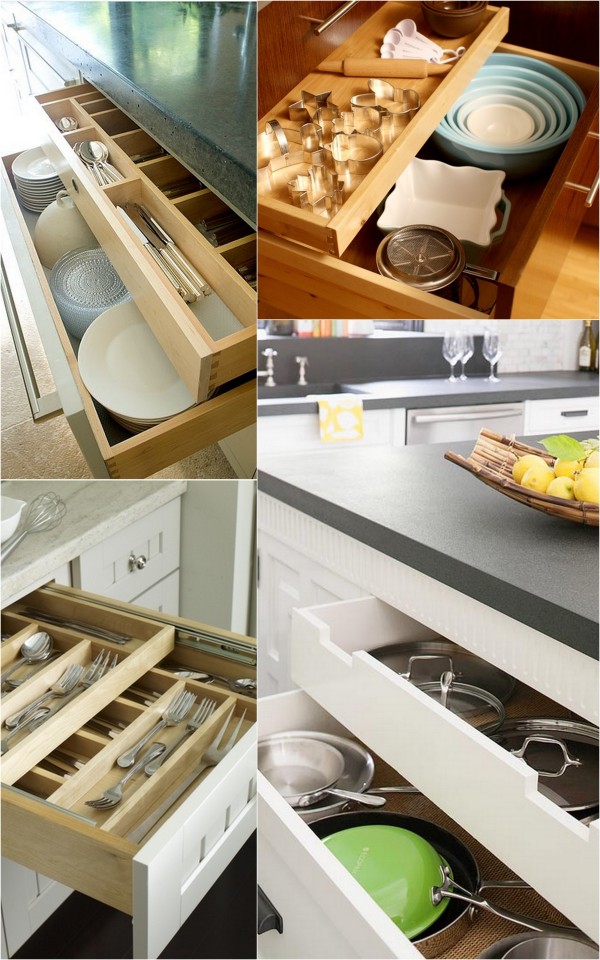
Plan and prep before you organize a deep kitchen drawer
Assess the drawer’s size and use
- Measure depth, width, and height to know what will fit.
- Note drawer sliders and weight limits so you avoid overload.
- Decide what the drawer will primarily hold: utensils, pots, lids, or pantry overflow.
Empty and sort
- Remove everything to see the full content.
- Group items into categories: keep, relocate, donate, recycle, or trash.
- Handle each item once; make quick decisions to avoid second-guessing.
Set goals and zones
- Choose zones: daily-use, weekly-use, and rarely-used.
- Put frequently used items at the front for easy reach.
- Plan vertical or stacked storage if your drawer is deep enough.
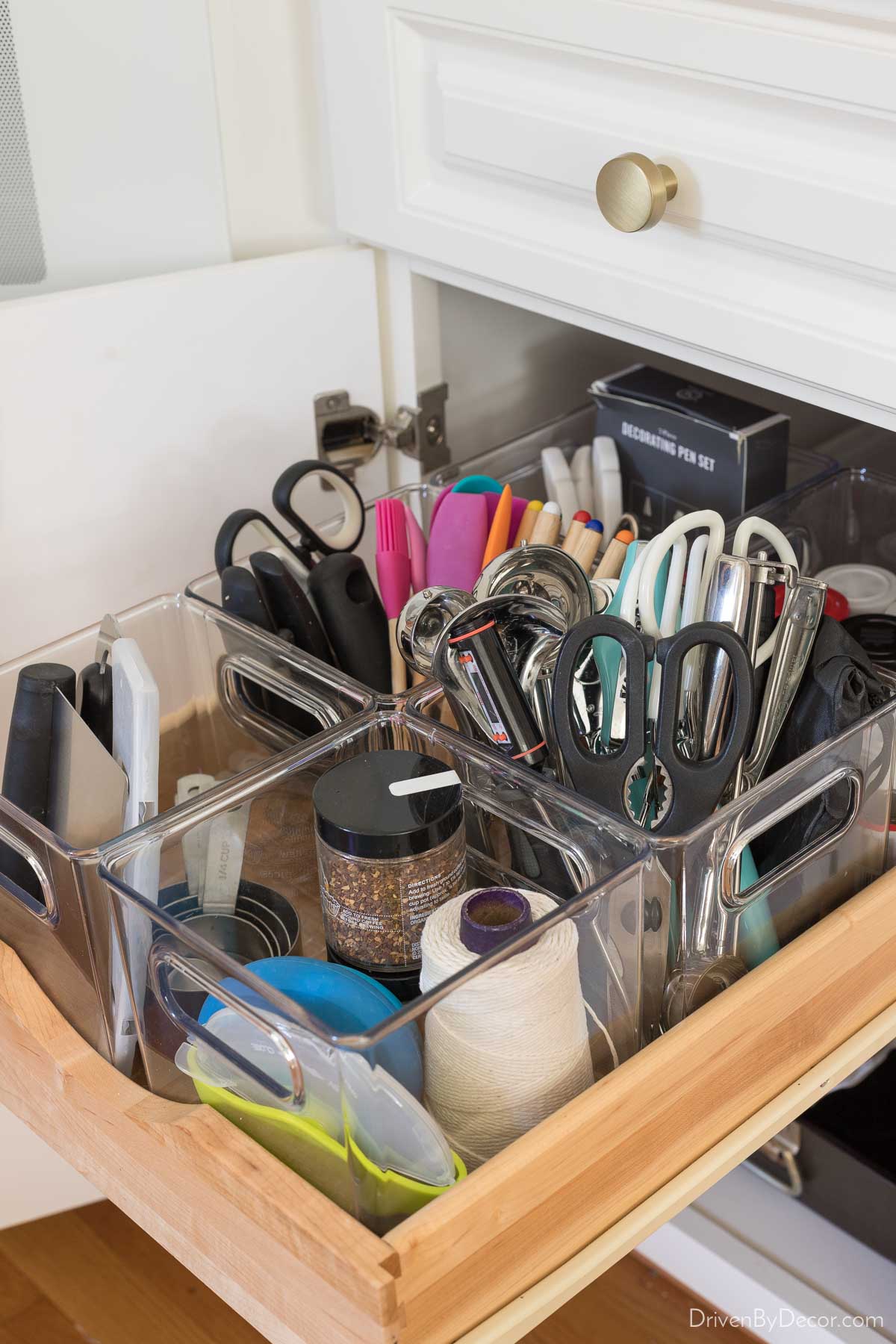
Organizing methods and tools for deep kitchen drawers
Choose the right organizers
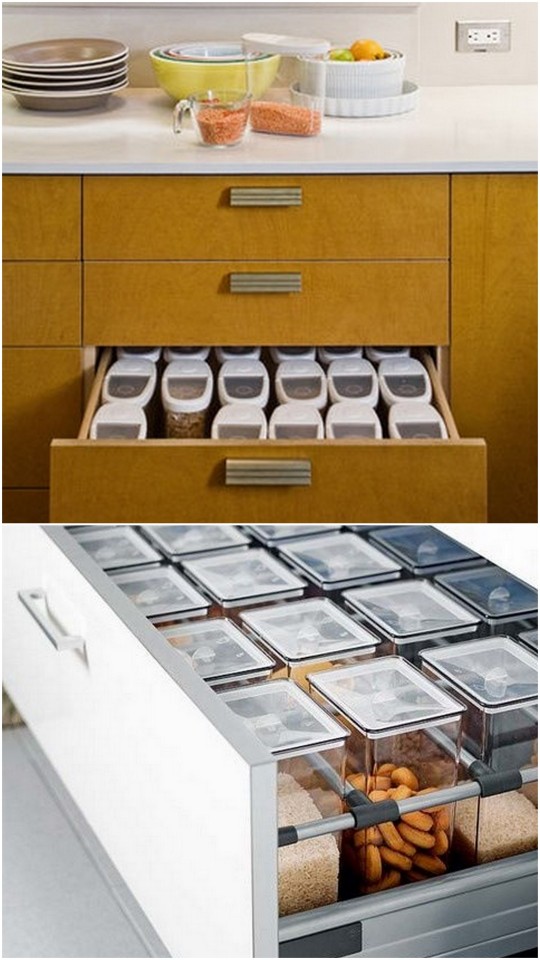
- Use adjustable dividers to create small zones for utensils and gadgets.
- Get shallow trays for flat items like baking mats or cutting boards.
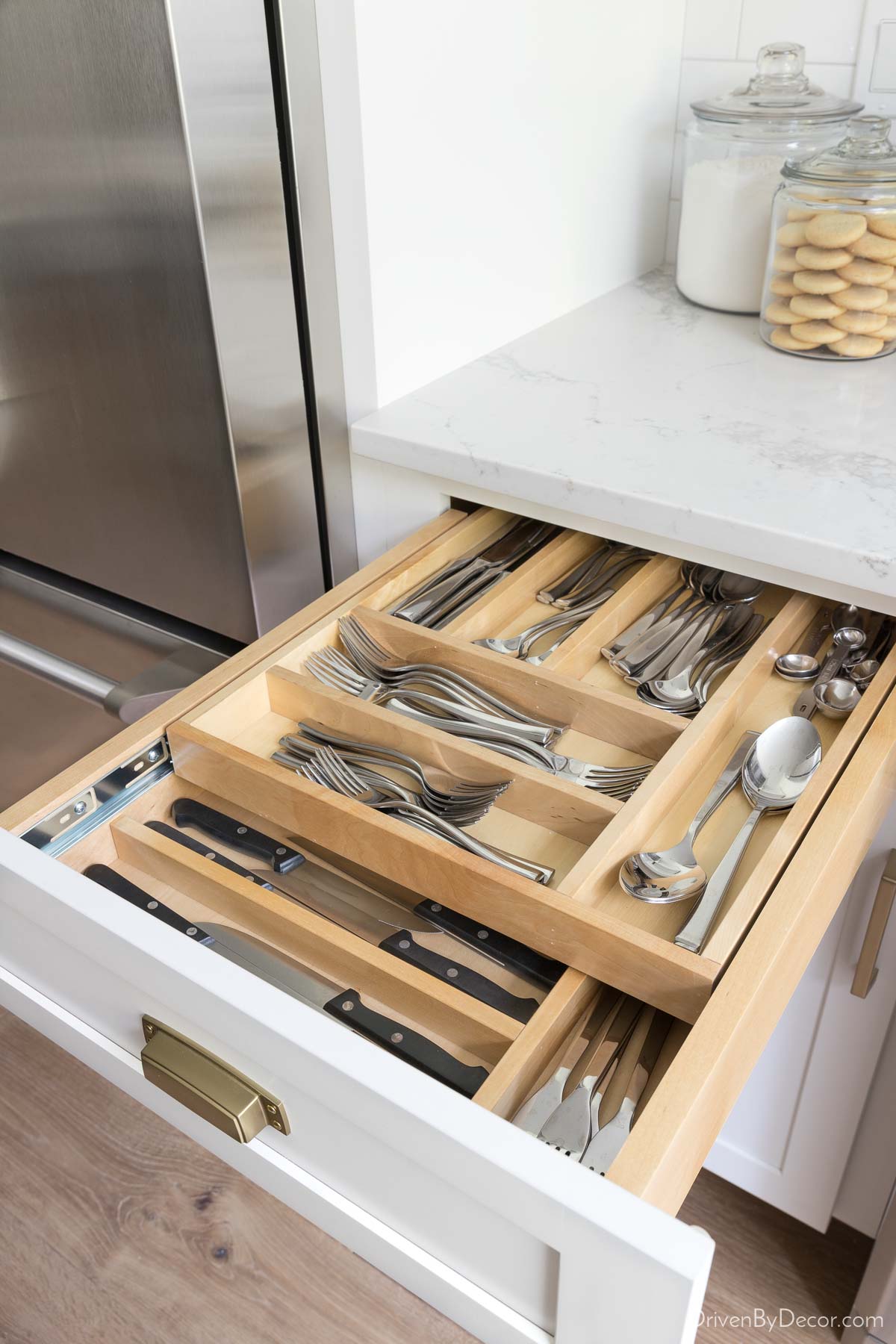
- Use tiered inserts or risers to add levels without clutter.
Consider vertical storage
- Store baking sheets and cutting boards upright with separators.
- Use narrow trays to hold mixing bowls nested inside each other.
- Magnetic strips or pegboard inserts can stabilize metal tools.
Use soft liners and protection
- Put non-slip liners to keep items from sliding when opening and closing.
- Use felt or silicone pads between lids or cast-iron pans to avoid scratches.
Tools to consider
- Expandable cutlery trays
- Drawer dividers (expandable or modular)
- Tiered organizers and risers
- Plate or lid racks
- Stackable bins or baskets
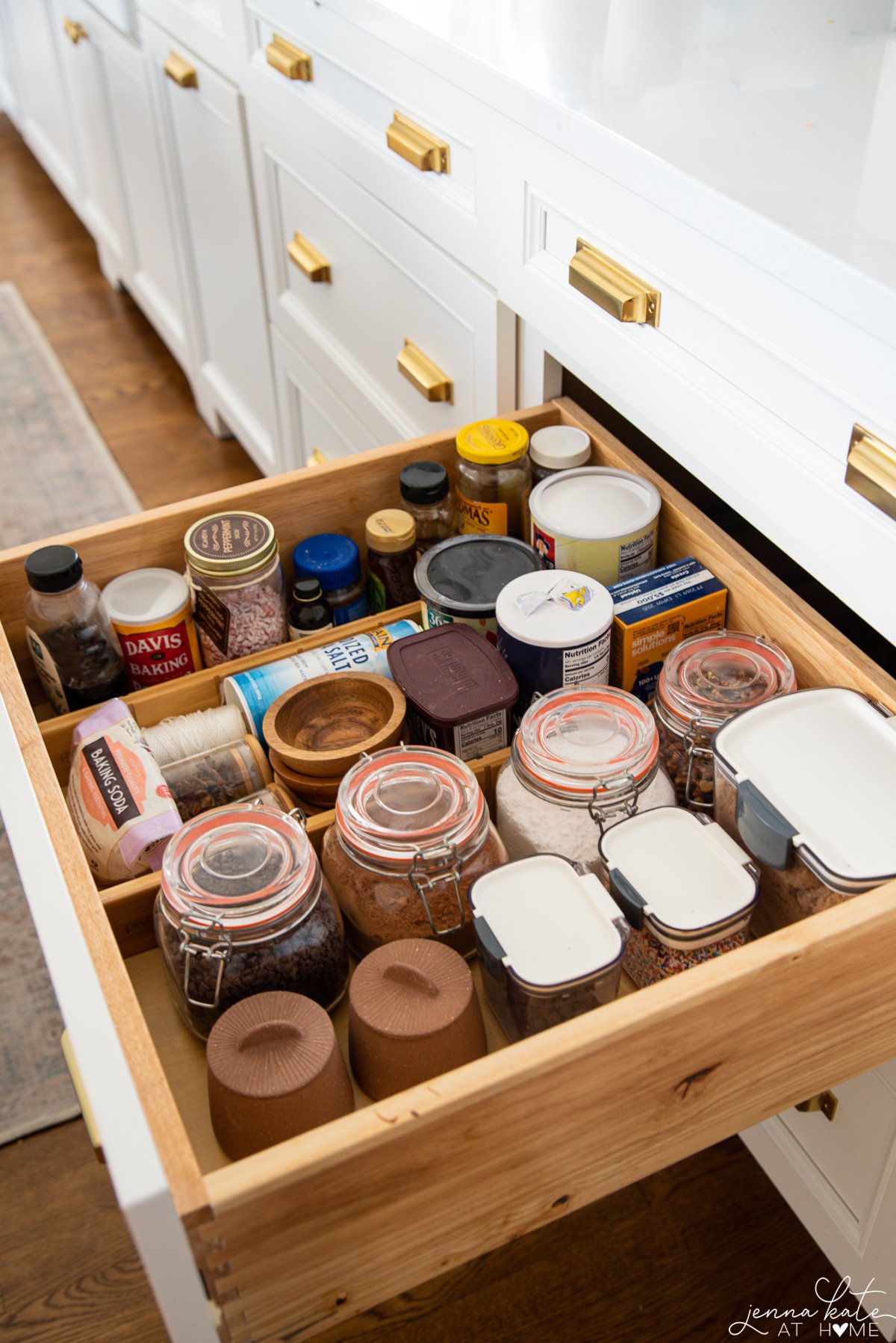
Step-by-step guide: how to organize a deep kitchen drawer
Step 1: Clear and clean
- Empty the drawer and wipe it down.
- Check runners for wear and make minor repairs if needed.
Step 2: Map the layout
- Place the daily-use zone at the front.
- Place heavier items in the back or on the side where the drawer supports weight best.
Step 3: Add layers and dividers
- Install a low riser for a secondary shelf if height allows.
- Use long dividers for utensils and short dividers for small gadgets.
Step 4: Nest and stack smartly
- Nest bowls and strainers with separators between each stack.
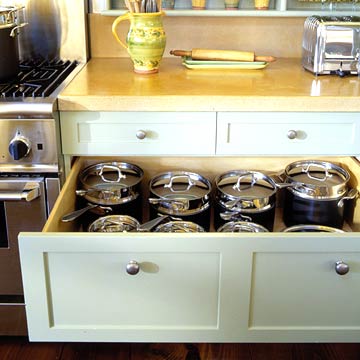
- Stack pots and pans with a soft liner and put lids in a vertical rack.
Step 5: Label and refine
- Add small labels if multiple people use the kitchen.
- Live with the setup for a week, then tweak placement for flow.
Practical example layout
- Front left: daily utensils in a cutlery tray.
- Front right: frequently used gadgets in small sections.
- Back left: baking sheets and cutting boards vertically stored.
- Back right: pots stacked with lids in a vertical organizer.
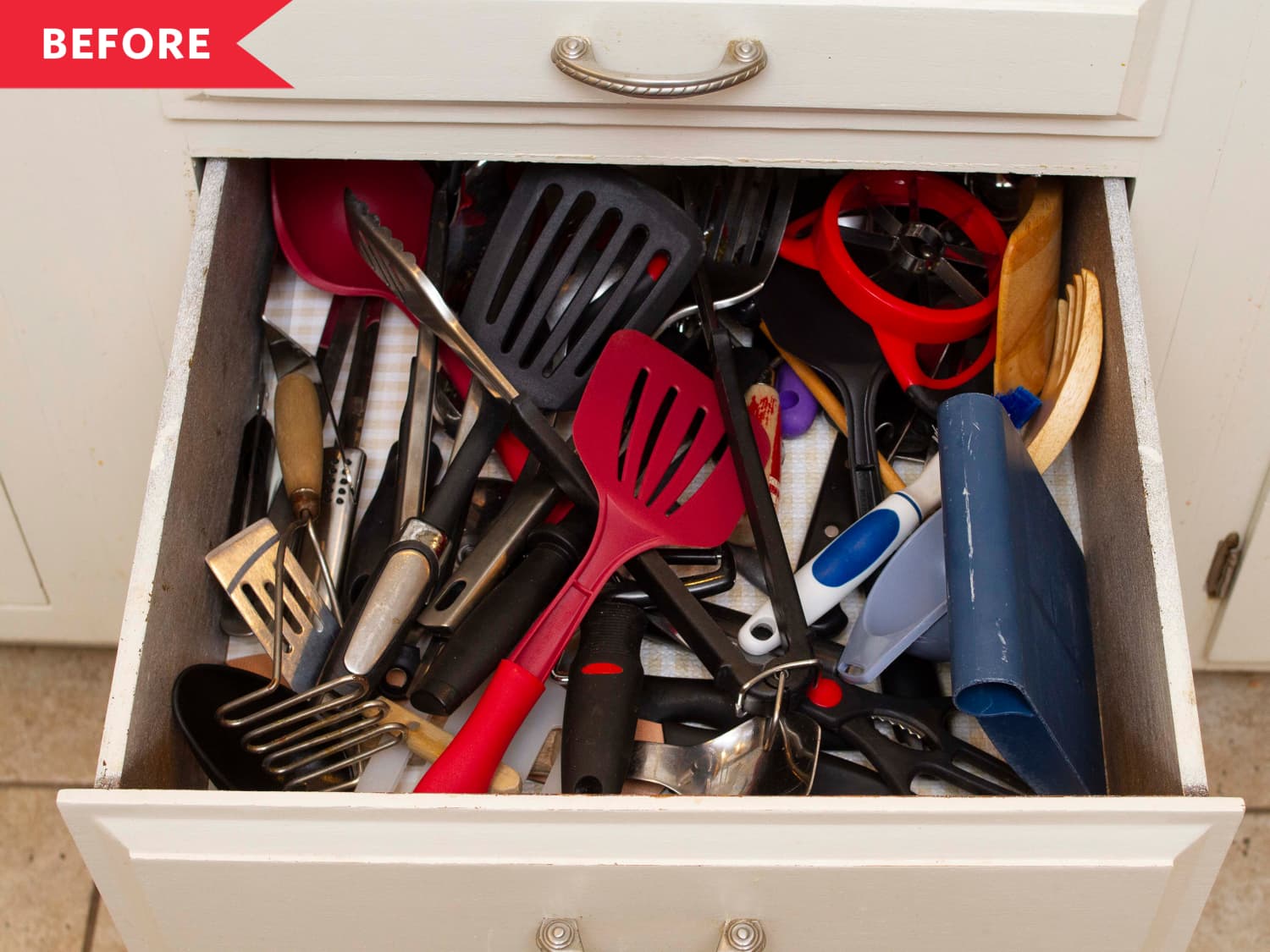
Storage solutions and product picks to help how to organize a deep kitchen drawer
Budget options
- DIY dividers from foam board or plywood cut to size.
- Simple plastic trays and silicone liners are cheap and effective.
Mid-range choices
- Adjustable bamboo dividers for a warm look.
- Stackable acrylic trays for visibility and easy cleaning.
Premium picks
- Full-extension deep drawer organizers built for pots and lids.
- Custom drawer inserts for full-fit performance and neat looks.
What to buy and why
- Invest in adjustable pieces. They adapt when your items change.
- Choose non-slip materials to avoid noise and shifting.
- Prefer removable trays for easy cleaning.
Personal pick from experience
- I like expandable bamboo dividers because they balance looks and function. They hold utensils steady and are easy to wash.
Common mistakes and how to avoid them when you organize a deep kitchen drawer
Overfilling the drawer
- Don’t shove items in until the drawer barely closes. Leave room for smooth operation.
Ignoring vertical space
- Deep drawers are ideal for stacked or vertical storage. Add tiers instead of laying everything flat.
Using one giant bin
- A single large bin creates a mess. Break the space into smaller zones to keep order.
Forgetting ergonomics
- Keep heavy items where you can lift them comfortably. Avoid placing them at the very back.
Not testing layouts
- A setup that looks good may not be practical. Live with it for days and adjust as needed.

Maintenance: keep your deep kitchen drawer organized
Weekly quick check
- Spend 2–3 minutes weekly returning items to their zones.
- Discard packaging or random items that sneak in.
Seasonal deep clean
- Every 3–6 months empty the drawer, clean it, and reassess the contents.
- Purge items you don’t use to prevent re-cluttering.
Adopt small habits
- Always put things back in their zone.
- Teach family members where things belong with simple labels or a note.
Personal insights and lessons learned about how to organize a deep kitchen drawer
From projects and clients, I learned that the simplest systems last longest. People often overcomplicate layouts with many specialty tools. A few flexible dividers and a clear zone plan beat a drawer full of single-use inserts. I once reorganized a client’s deep drawer that sat unused; after zoning and labeling, they saved 10 minutes per meal prep. Mistake I made early on: underestimating drawer depth. Measure first, buy second.
Frequently Asked Questions of how to organize a deep kitchen drawer
How do I decide what to keep in a deep kitchen drawer?
Keep items you use frequently or that fit better here than in cabinets. Move seldom-used or fragile pieces to safer, dedicated storage.
Can I store heavy pots in a deep kitchen drawer?
Yes, but keep the heaviest items near the back or on sturdy slides. Check weight limits on your drawers to avoid strain or damage.
What is the best layout for lids and pans in a deep drawer?
Store pans stacked with liners and place lids vertically in a rack or divider. This prevents scratching and makes retrieval easy.
How do I prevent items from sliding in a deep kitchen drawer?
Use non-slip liners and snug dividers to keep items in place. Small bins or trays also help stop movement.
Are custom inserts worth it for deep drawers?
Custom inserts are great if you want a perfect fit. However, adjustable dividers and modular trays work well for most households and cost less.
How often should I reorganize a deep kitchen drawer?
Do a quick tidy weekly and a full reevaluation every 3–6 months. Adjust as your cooking habits and items change.
Conclusion
A well-organized deep kitchen drawer saves time, protects your cookware, and reduces daily friction. Start by measuring, zoning, and choosing a few flexible organizers. Test your layout, adjust after living with it, and keep small weekly habits to preserve order. Try these steps this weekend and notice the difference at your next meal prep. If this guide helped, leave a comment, share your setup, or subscribe for more practical kitchen organization tips.