
Store foods by grouping, sealing, labeling, rotating, and controlling temp and pests.
I have spent years helping families and small businesses learn how to organize long-term food storage efficiently and safely. This guide on how to organize long-term food storage mixes clear steps, real-life tips, and easy systems you can use today. Read on to build a simple, reliable plan that saves money, reduces waste, and keeps your pantry ready for months or years.
Why long-term food storage matters
Good long-term food storage protects money and health. It keeps food edible, nutritious, and safe. When you know how to organize long-term food storage, you reduce waste, avoid panic buying, and prepare for emergencies.
I once helped a neighbor reorganize a basement pantry after a flood. A simple labeling and elevation plan saved most of their supply. That taught me the value of small habits that prevent big losses. Use those habits to make your system last.
Planning your long-term food storage
Plan before you buy. Decide goals, timeframe, and budget. Ask how long you want food to last and what meals you will make.
Steps to plan:
- List family size and special diets. This sets portion needs for how to organize long-term food storage.
- Choose timeframe: 3 months, 1 year, or multi-year. Each needs different containers and foods.
- Set a budget and buy gradually. Rotating purchases into regular use keeps supplies fresh.
Personal tip: I build a rolling list on my phone. I add one bulk item a week. Small buys become a full kit in months. This makes how to organize long-term food storage manageable.
Choosing foods for long-term storage
Pick foods that store well and match your cooking style. Focus on variety, calories, and nutrients.
Good long-term staples:
- Grains such as rice, oats, and wheat berries
- Legumes like beans, lentils, and peas
- Dehydrated vegetables and fruits
- Shelf-stable proteins: canned tuna, powdered milk, and freeze-dried meats
- Fats and oils in sealed containers
- Comfort foods: coffee, chocolate, and spices for morale
When choosing, consider how to organize long-term food storage by category and by shelf life. Balance calories with vitamins and taste. I learned to add a few favorite treat items to keep morale high during long use.
Packaging and preservation methods
Good packaging extends life. Use the right containers and treatments for long-term storage.
Best packaging options:
- Mylar bags with oxygen absorbers for grains and powders
- Food-grade buckets with gamma-seal lids for bulk storage
- Mason jars with vacuum sealing for small amounts
- Canning jars for high-acid foods and preserves
- Airtight metal or plastic containers for dry goods
Preservation tips:
- Use oxygen absorbers for low-moisture foods.
- Vacuum-seal freeze-dried or dehydrated items.
- Store salts and sugars away from moisture.
- Keep oils cool and dark to prevent rancidity.
I once resealed buckets with fresh oxygen absorbers after finding stale rice. It saved the whole batch and taught me the value of checking seals. This is central to how to organize long-term food storage well.

Organizing and labeling system
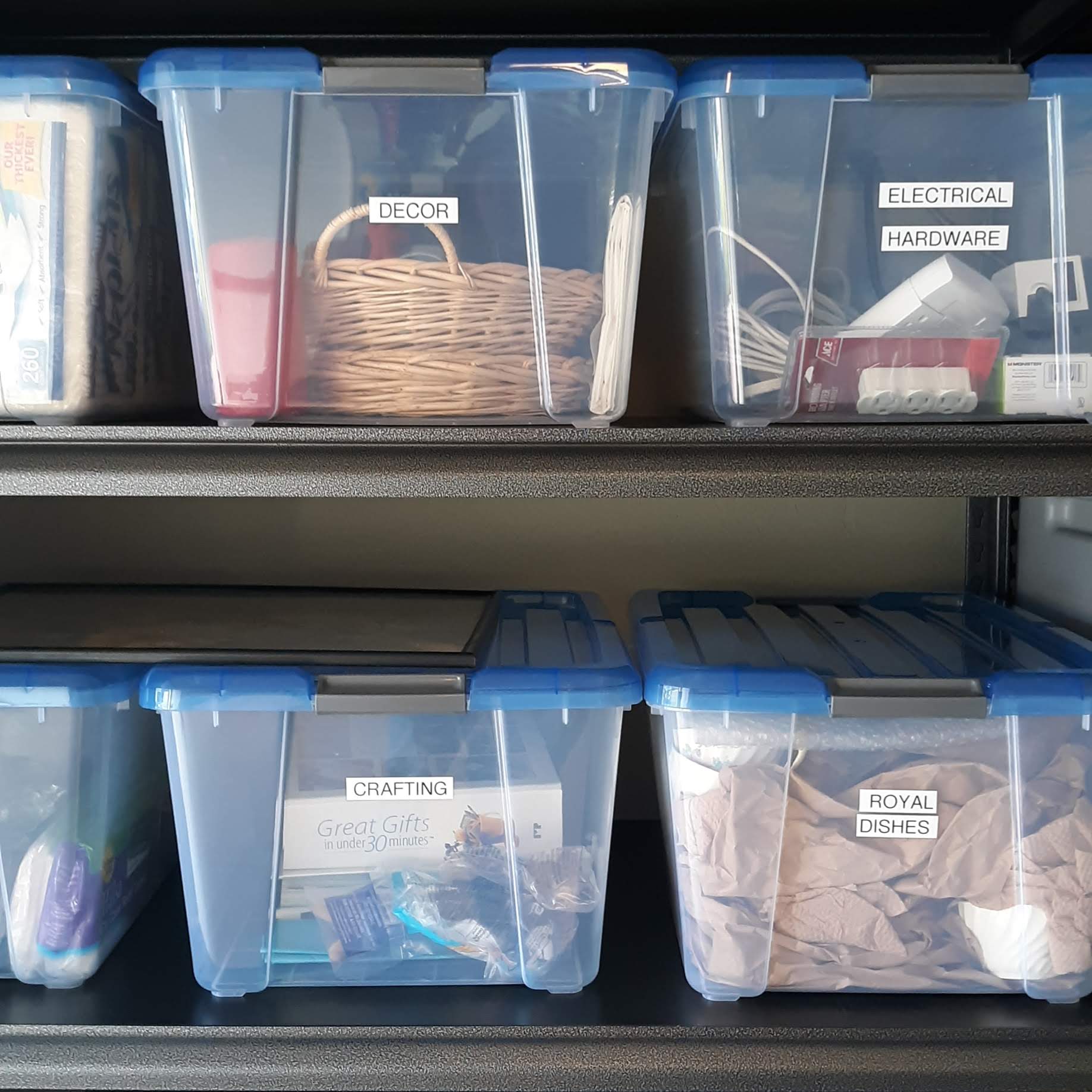
A clear system stops waste and confusion. Label, date, and group items for easy access.
How to set up a system:
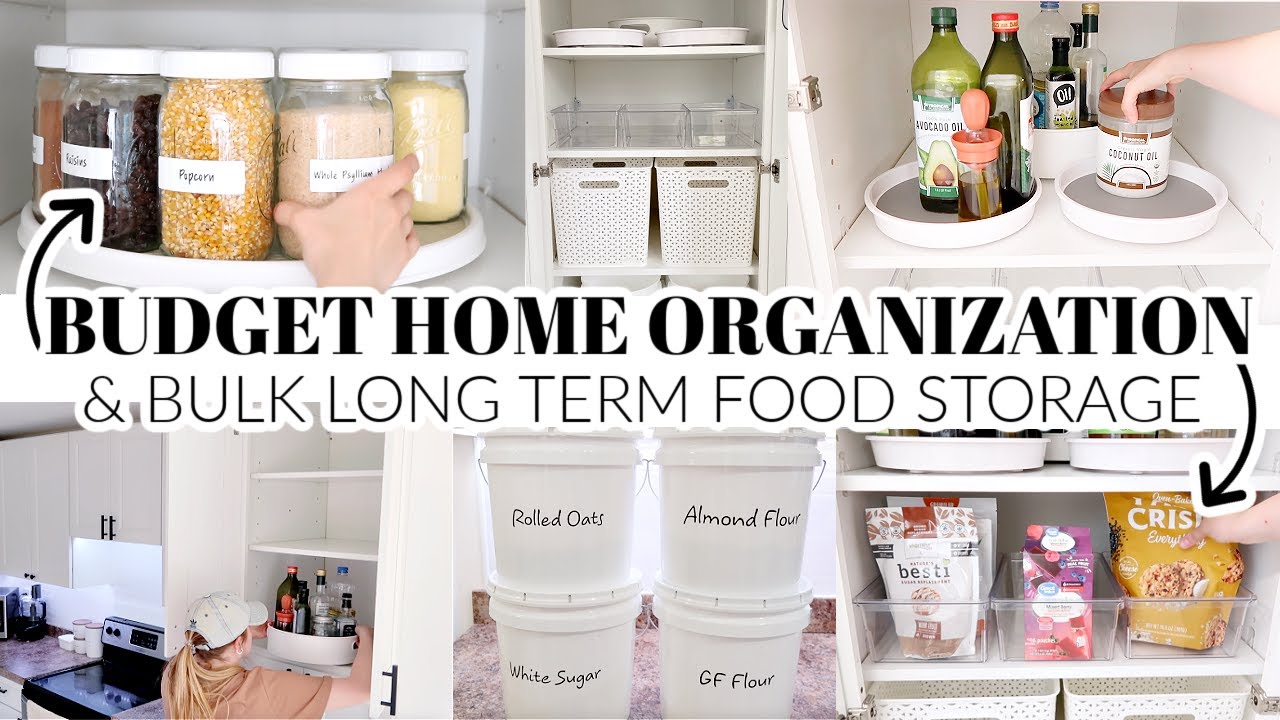
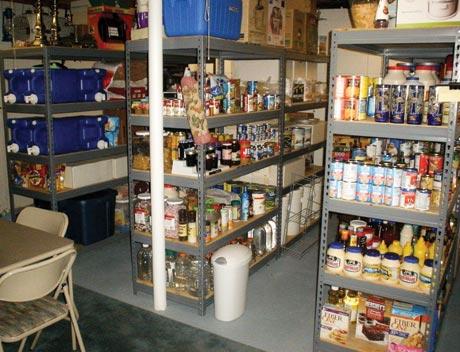
- Group items by type: grains, proteins, cans, baking, spices, and treats.
- Label every container with content, packed date, and best-by date.
- Use clear bins or translucent containers to see contents.
- Create an inventory sheet or simple spreadsheet with locations and quantities.
Rotation rules:
- Place newer items behind older ones (first in, first out).
- Note opened dates on perishable or resealed items.
- Check inventory monthly and rotate into your meal plan.
My method: I use color-coded labels for timeframe. Green for short-term, yellow for medium, red for long-term. This visual cue makes how to organize long-term food storage fast and foolproof.

Storage location and conditions
Where you store matters as much as what you store. Aim for cool, dark, dry, and pest-free spots.
Ideal conditions:
- Temperature between 50–70°F for most dry goods.
- Low humidity below 60 percent to prevent mold and clumping.
- Dark or low-light areas to protect nutrients and oils.
- Elevated shelves to avoid floor moisture and pests.
Pest control tips:
- Use metal or heavy plastic containers.
- Inspect packages for damage before storing.
- Use natural repellents like bay leaves in grain bins.
- Keep storage areas clean and free of food debris.
Personal note: I moved my long-term food storage off the concrete floor and saw fewer moisture problems. Small changes in how to organize long-term food storage can prevent big failures.

Rotation, inventory, and maintenance
Rotate and check supplies on a schedule. Neglect is the biggest risk to long-term food storage.
Routine maintenance:
- Do an inventory every 3 months. Update your list after each check.
- Rotate items into your weekly meal plan.
- Replace or reseal damaged packages immediately.
- Test old items for smell and appearance before use.
Inventory tools:
- Simple paper log on a clipboard in the pantry
- Spreadsheet or app for remote tracking
- Barcode or QR codes for larger systems
I keep a small whiteboard with the next rotation date. It reminds me to swap stock and prevents surprises. This habit is key when you learn how to organize long-term food storage sustainably.

Common mistakes and troubleshooting
Avoid common traps that reduce shelf life and cause waste.
Common mistakes:
- Storing near a heat source or in direct sun
- Skipping labels or packing dates
- Using cheap, non-airtight containers for long-term items
- Buying too much of one item and no variety
Troubleshooting tips:
- If items smell off, discard them—safety first.
- For moisture issues, move items to a drier space and add desiccants.
- If pests appear, discard contaminated food, clean the area, and improve seals.
From experience, the worst error is assuming “set it and forget it.” Regular checks and small corrections are the core of how to organize long-term food storage that works.
Frequently Asked Questions of how to organize long-term food storage
What is the best container for long-term food storage?
Use food-grade buckets with gamma-seal lids, Mylar bags with oxygen absorbers, or vacuum-sealed jars. These options block air, moisture, and pests.
How often should I check my long-term food storage?
Do a quick check every month and a full inventory every three months. Regular checks catch problems early and keep rotation effective.
Can I store fresh produce for the long term?
Fresh produce does not store long-term without preservation. Dehydrate, can, or freeze produce to extend shelf life safely.
How do I prevent pests in my food storage?
Use airtight containers, inspect packages, keep the area clean, and elevate storage off the floor. If pests appear, remove contaminated items and deep-clean the space.
How much food should I store per person?
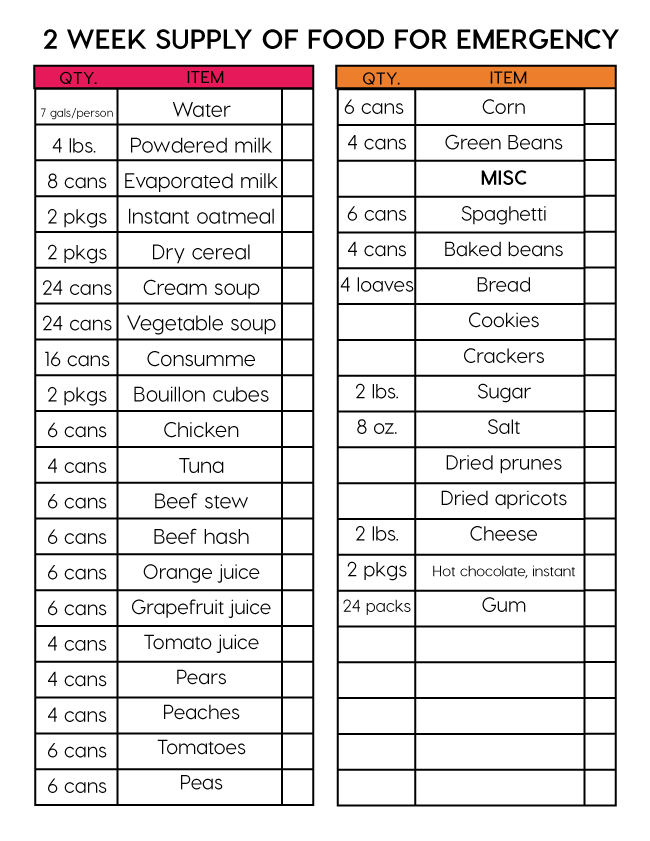
For basic planning, aim for at least a two-week supply as a start and build toward one month or more. Adjust for activity level, age, and special diets.
Conclusion
Organizing long-term food storage is a small set of habits: plan smart, pick the right foods, use proper packaging, label clearly, and check your supplies often. Start with simple steps and build your system slowly to avoid overwhelm. Take one shelf or one category this week and apply the labeling and rotation tips above. If you found this helpful, try reorganizing one area today, subscribe for more tips, or share your experience in the comments.