
Use enough liquid, brown food first, deglaze, and add oil or a nonstick liner.
I’ve cooked hundreds of meals in pressure cookers and tested what works. This guide explains how to prevent food from sticking in a pressure cooker with clear steps, smart tips, and easy recipes. You’ll learn why sticking happens, simple fixes you can use today, and pro tricks from real kitchen tests to keep your pot clean and your food perfect.

Why food sticks in a pressure cooker
Food sticks when heat, little liquid, and direct contact make proteins or starches glue to the metal. Pressure increases temperature and concentrates heat at the contact points. That speeds up browning and can leave stuck bits if you skip oil, liquid, or proper layering.
Common causes include:
- Too little liquid for the recipe.
- Skipping an initial sear or deglaze step.
- Using high heat or the wrong pot surface.
- Cooking dense foods directly on the bottom without a rack or layer.
Knowing these causes helps you fix them fast and learn how to prevent food from sticking in a pressure cooker.

Essential principles to prevent sticking
Use these core rules every time you cook in a pressure cooker:
- Add the correct amount of liquid. Pressure needs steam to build and to prevent dryness.
- Brown food first when needed. Searing adds flavor and reduces raw release that can stick.
- Deglaze the pot. Scrape up browned bits with liquid before sealing.
- Use fat or oil. A thin coating prevents direct metal contact.
- Layer ingredients. Put starches or delicate items on top of liquids or racks.
Follow these steps to master how to prevent food from sticking in a pressure cooker on a daily basis.
People also ask (short answers)
How much liquid is enough in a pressure cooker?
Most electric pressure cookers need at least 1 to 1.5 cups of liquid for proper pressure and steam. Check your manual for exact minimums.
Can I use butter to prevent sticking?
Yes. Butter works fine for flavor, but it can burn at high heat. Use it with some liquid or finish with it after pressure cooking.
Is deglazing always necessary?
Not always, but it’s a simple step that prevents stuck-on bits and boosts flavor. When you brown food, always deglaze before sealing.

Step-by-step methods for common dishes
Rice and grains
- Rinse rice to remove surface starch.
- Add the rice to measured water or broth. Use your cooker’s rice ratio.
- Add a teaspoon of oil. Stir, then seal and cook on recommended time.
- Quick-release steam if the manual suggests it to prevent overcooking and sticking.
Lentils and beans
- Soak beans when possible. Drain and add fresh water.
- Use 2 to 3 cups liquid per cup of dry lentils for most styles.
- Stir once, then seal. Let natural release finish to avoid foam and sputtering.
Stews and meat
- Sear meat on high heat. Do not crowd the pot.
- Remove meat, add a splash of liquid and scrape browned bits.
- Return meat with rest of liquid. Layer vegetables on top to avoid burning.
Rice example: For white rice, use 1 cup rice + 1 to 1 1/4 cups water and a teaspoon oil. For brown rice, use 1 cup rice + 1 1/4 to 1 1/2 cups water.
These steps show how to prevent food from sticking in a pressure cooker for everyday recipes.
Tools, materials, and nonstick options
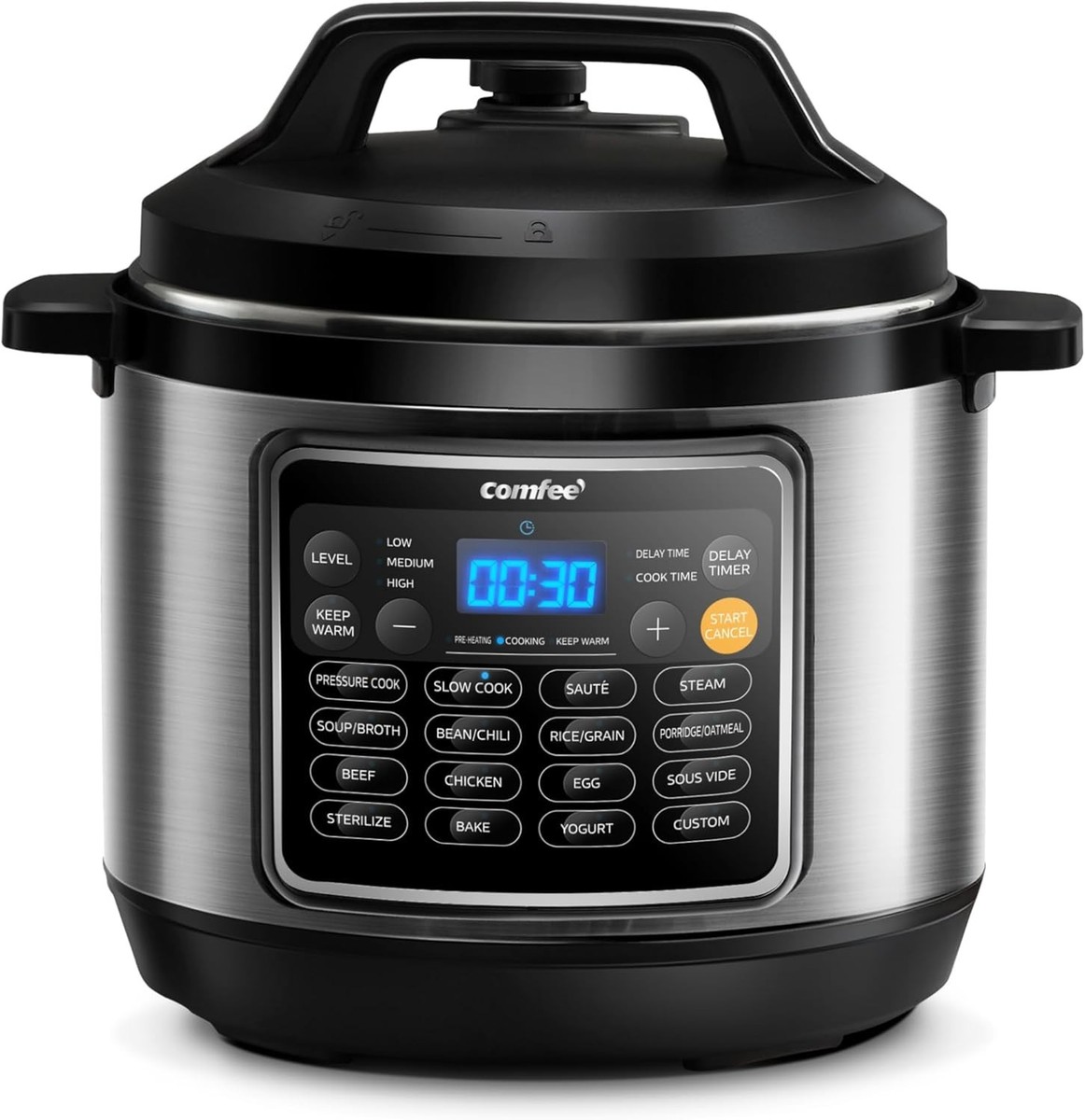
Choose gear that helps prevent sticking:
- Stainless steel inner pots last long and brown well, but they stick more than nonstick.
- Nonstick inner pots reduce sticking but can scratch. Use silicone or wooden tools.
- Silicone liners and steam baskets lift food from the bottom and stop direct contact.
- Racks and trivet pieces prevent dense foods from touching the base.
- Use neutral oils with a high smoke point for searing.
If you switch pots, test simple recipes first. That helps you learn how your model behaves and how to prevent food from sticking in a pressure cooker.
Cleaning and maintenance to reduce future sticking
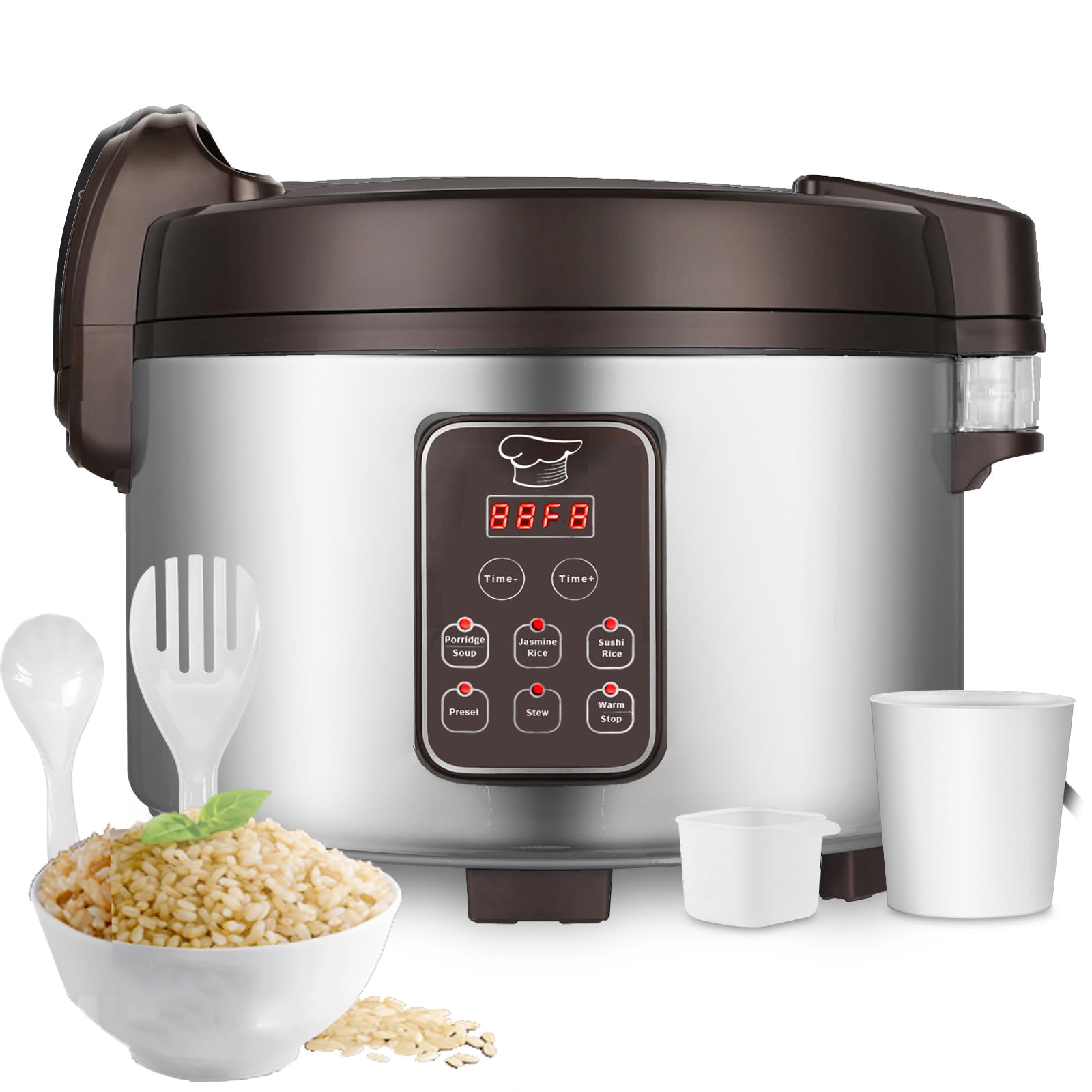
Good cleaning keeps the surface smooth and less sticky:
- Soak the pot after cooking to loosen bits.
- Use a soft scrub pad for nonstick and a gentle cleanser for stainless steel.
- For stubborn scorch, simmer water and baking soda for 10–15 minutes, then cool and scrub.
- Check and clean the sealing ring and valves. Food buildup can affect pressure and lead to uneven cooking.
- Avoid metal tools on nonstick surfaces to prevent scratches that trap food.
Regular care improves performance and reduces how often you battle stuck food.
My personal experience and tested tips
I once ruined a batch of risotto by using too little liquid and sealing immediately after browning. After that, I always deglaze and measure liquid. A few lessons I learned:
- Measure liquids every time. Eye-balling causes mistakes.
- When trying a new recipe, cut the heat and check after the first few minutes of searing.
- I use a small amount of oil and a silicone spatula to keep food from clinging during release.
These small habits changed my cooking. If you want to know how to prevent food from sticking in a pressure cooker, start with measurement and deglazing.

Common mistakes and how to avoid them
Avoid these traps:
- Skipping liquid: Always check minimum liquid amounts.
- Overcrowding the pot: Cook in batches if needed.
- Using wrong heat: Follow manufacturer settings for searing and pressure build-up.
- Ignoring manual guidance: Each model behaves differently.
- Using metal utensils on nonstick: Use silicone or wood.
Fix these and you will dramatically lower how often food sticks in your pressure cooker.

Safety tips when preventing sticking
Safety still matters:
- Release pressure safely before opening. Hot liquid or steam can spit.
- Use mitts when handling hot lids and pots.
- Don’t force-open a locked lid. Wait for full depressurization.
- If you scrub seals, ensure they are dry and correctly seated before use.
When you combine safety with the right steps, learning how to prevent food from sticking in a pressure cooker is both simple and safe.

Frequently Asked Questions of How to prevent food from sticking in a pressure cooker
How much oil should I use to stop sticking?
Use 1 to 2 teaspoons of oil for most small-batch recipes. For larger searing, use 1 tablespoon or enough to coat the bottom thinly.
Will a nonstick insert eliminate sticking problems?
A nonstick insert helps a lot but does not replace proper liquid and deglazing. Avoid high heat and scrub carefully to keep the coating intact.
Can I deglaze with wine or stock?
Yes. Wine, stock, or even water works. Add a small amount, scrape the base, and let the liquid dissolve the browned bits.
Is it safe to use liners in an electric pressure cooker?
Many liners are safe, but check the liner and cooker manuals first. Avoid blocking vents and follow heat limits.
Why does rice still stick even with water added?
Rice can stick if the ratio is wrong, or if you don’t rinse starch off. Use correct water ratios, rinse rice, and stir once before sealing.
Conclusion
You can stop sticky meals with small, consistent habits: measure liquids, brown and deglaze, use oil or liners, and care for your pot. These steps make cooking faster, cleaner, and more reliable. Try one tip today and notice the difference. If this guide helped, leave a comment, share your favorite pressure cooker trick, or subscribe for more easy kitchen tips.