
A pressure cooker makes noise when steam, seals, or parts vibrate under pressure — usually a fixable issue.
I’ve worked with kitchen gear for years and fixed noisy pressure cookers many times. In this guide I explain why is my pressure cooker making noise, what different sounds mean, and clear steps to quiet it down safely. Read on for simple checks, fixes, and when to call a pro so you can cook with confidence.
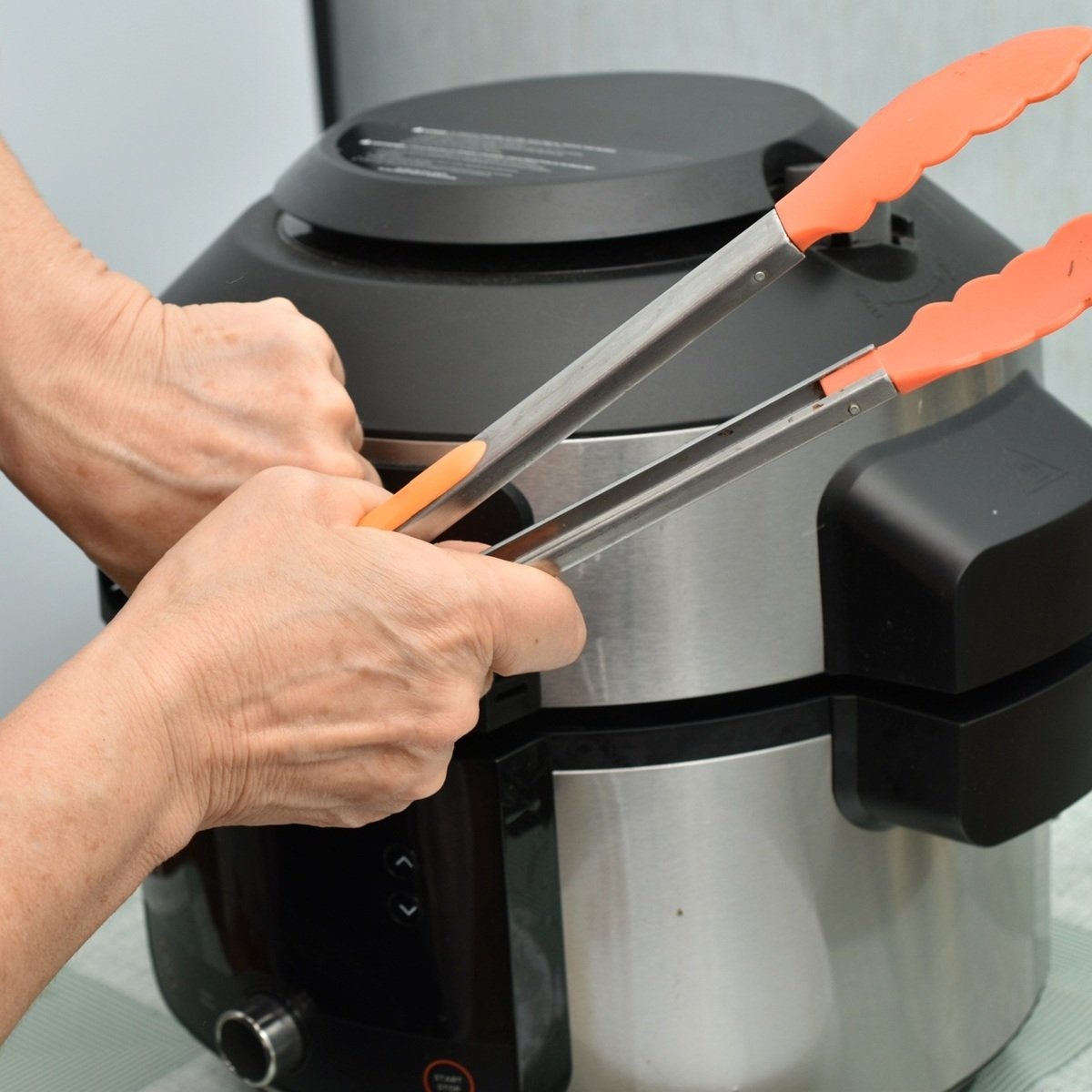
Why does my pressure cooker make noise?
Pressure cookers are meant to build and release steam. Noise happens when steam moves past seals, valves, or loose parts. The same force that helps food cook fast can make whistles, hisses, rattles, and clanks.
Common causes include:
- Worn or misaligned sealing ring
- Clogged or sticky pressure valve
- Loose lid or handles
- Food bits trapped in vents
- Overfilled pot or too much liquid
Understanding why is my pressure cooker making noise helps you fix it fast. A quiet cooker is usually a safe cooker. I’ll show step-by-step checks to find the cause and stop the sound.

Common noises and what they mean
Whistling
- A sharp whistle usually means steam is escaping through the pressure regulator or vent.
- If the whistle starts strong and then peters out, the valve may be clogged or not seating right.
Hissing
- A steady hiss often signals a gap between the lid and the pot.
- Check the sealing ring and lid alignment.
Rattling or clanking
- Loose parts like the lid, handle screws, or a movable weight can rattle.
- Hard items inside the pot or on the stove can cause a clank when the cooker vibrates.
Popping or knocking
- Popping sounds can mean trapped food is hitting the valve or vent.
- Knocks may come from metal-on-metal contact if parts are loose.
Sputtering or sputter-whistle
- This mix of sounds suggests intermittent steam escape due to partial clogs or a damaged gasket.
Why is my pressure cooker making noise often boils down to steam escape, loose parts, or debris. These are fixable with simple checks.
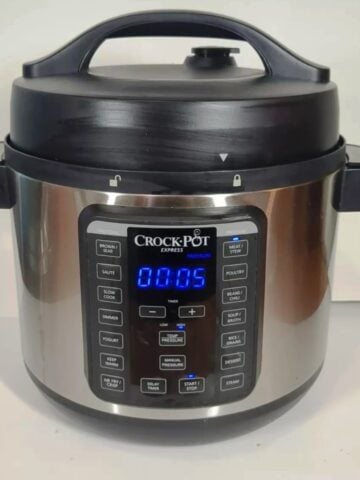
Step-by-step troubleshooting and fixes
- Safety first
- Turn off heat and let pressure drop naturally before opening.
- Never force the lid. Quick-releasing under high pressure can be dangerous.
- Inspect the sealing ring
- Remove and check the rubber or silicone gasket for cracks, deformation, or food residue.
- Replace the ring if it is misshapen, cracked, or older than the manufacturer’s recommended life.
- Clean the valve and vents
- Remove the pressure regulator and clean any food bits.
- Use a small brush or toothpick for vent holes. Reassemble and test steam flow.
- Check lid alignment and locking mechanism
- Ensure the lid locks correctly and sits flat on the pot rim.
- Tighten any loose screws on handles or locking parts.
- Test with water only
- Fill the cooker with water to the minimum required level and bring to pressure.
- If the noise stops, the prior noise was likely food contact or overfilling.
- Replace worn parts
- If cleaning doesn’t fix the noise, replace the valve, regulator weight, or sealing ring with OEM parts.
- Avoid overfilling
- Do not fill above the maximum mark. Starchy foods foam and block vents, causing noise.
- Use the right heat level
- High heat can force excess steam out. Lower the heat to maintain steady pressure once reached.
These steps address most causes of the question why is my pressure cooker making noise. If noise persists after these checks, consider service.

Maintenance and cleaning to reduce noise
Weekly care tips
- Wash gasket and lid after each use. Let them air dry fully.
- Wipe valve areas with a soft brush and warm water.
Monthly checks
- Inspect gasket for shrinkage or hard spots. Replace annually or as needed.
- Test the pressure release function to confirm smooth operation.
Storage and handling
- Store the lid upside down on the pot to prevent gasket deformation.
- Avoid stacking heavy items on top of the pressure cooker.
Parts to replace proactively
- Sealing rings usually need replacement every 12–18 months with regular use.
- Pressure valves and weight parts wear out slower but should be checked yearly.
Good maintenance reduces noise and extends the life of your cooker. It also prevents issues that can cause the question why is my pressure cooker making noise to come up again.

Safety signs: when to stop using and seek repair
Stop using the cooker and get help if you notice:
- Loud, irregular bangs or metal-on-metal scraping
- The pressure does not build or hold despite new gasket and clean vents
- Visible cracks in the lid or pot rim
- Steam escaping from seam areas, not the valve or vent
If you’re unsure, contact a certified repair center or the manufacturer. A persistent noise can be a symptom of a failing safety valve or cracked vessel, both of which are serious.

Personal experience and practical tips
I once fixed a noisy cooker that hissed loudly every time it reached pressure. The culprit was an old gasket that had flattened and allowed steam to slip past the rim. Replacing that ring and cleaning the valve stopped the noise entirely. From my tests, the most common mistake is using the wrong gasket or skipping valve cleaning.
Practical tips I use:
- Keep a spare gasket on hand. It saves time and troubleshooting.
- Test new lids or replacement parts with plain water first.
- Note when the cooker was bought and set a reminder to inspect seals yearly.
These small habits keep the cooker quiet and safe.
:max_bytes(150000):strip_icc()/sea-pressure-cookers-primary-nsimpson-59-6a0c8fce33fc41cf9cc55710bca76c4a.jpeg)
PAA-style quick questions
What should I do if my pressure cooker whistling is very loud?
- Turn down the heat once pressure is reached and clean the pressure regulator. Replace parts if the sound continues.
Can food in the vent cause noise?
- Yes, starchy or foamy foods can clog vents and cause sputtering or whistling. Clean vents and avoid overfilling.
Is a little noise normal during pressure build-up?
- Yes, mild hissing or a soft whistle during build-up is normal. Loud, irregular sounds are not normal.
Does an old gasket cause more noise?
- Yes, old or warped gaskets let steam escape, which creates hiss or whistle noises. Replace them as needed.
Are electric pressure cookers less noisy than stovetop models?
- Electric models tend to be quieter due to controlled heat, but they can still make noise from valves or steam vents.
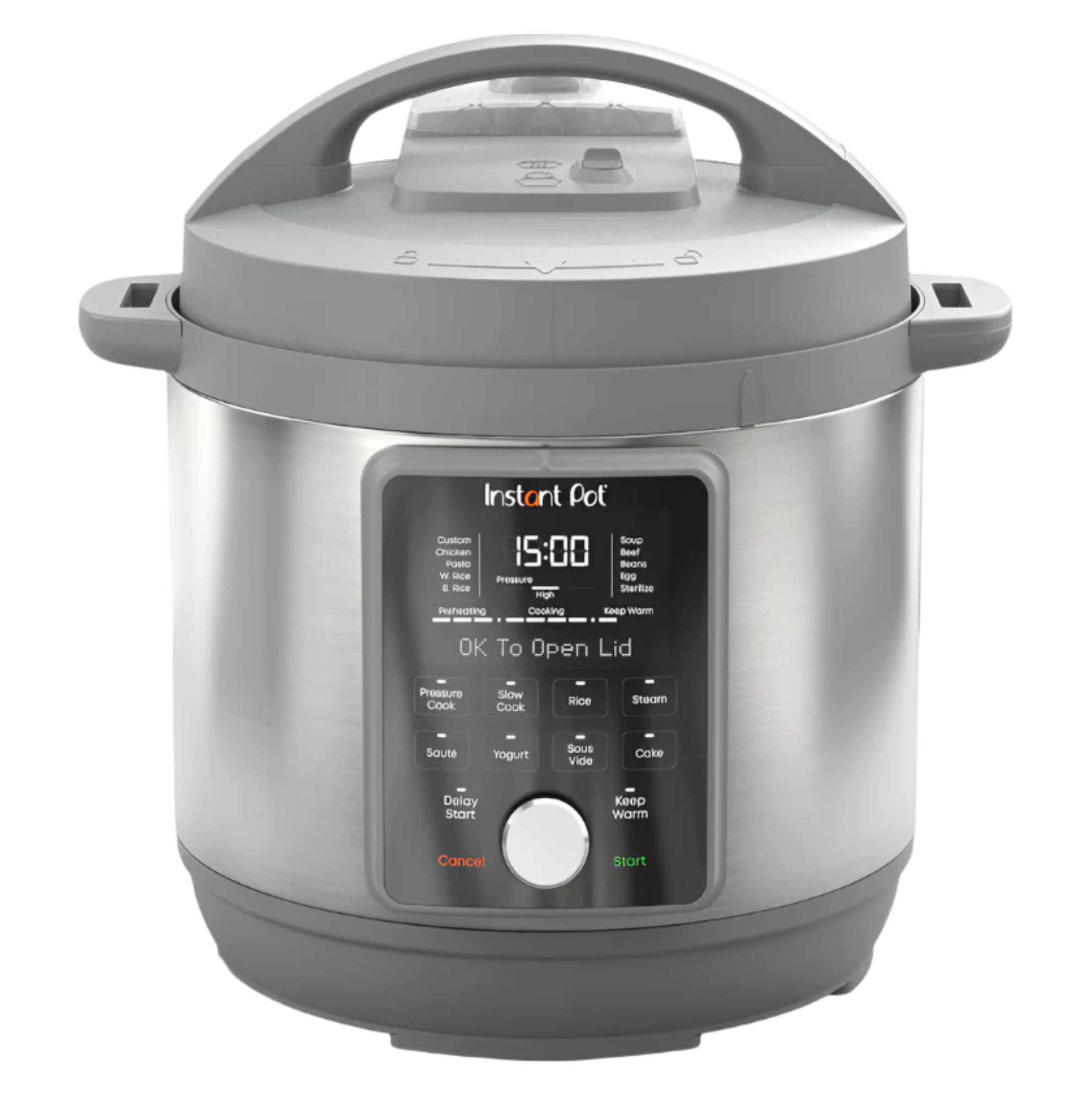
Frequently Asked Questions of Why is my pressure cooker making noise
Why is my pressure cooker making noise when it first starts?
Most noise at startup comes from steam moving through vents and the pressure regulator. Check that the gasket and valve are clean and properly seated.
Why does my pressure cooker make a rattling sound?
Rattling often means loose parts or the pressure weight is bouncing on the regulator. Tighten screws and secure the regulator weight or replace worn parts.
Why is my pressure cooker making noise and not reaching pressure?
If noise persists but pressure won’t rise, the sealing ring may be compromised or the vent is blocked. Inspect and replace the gasket and clear the vent.
Why is my pressure cooker making a high-pitched whistle?
A high-pitched whistle usually means steam is forcing its way through a small gap, often at the valve. Clean the valve and check for worn seals.
Why is my pressure cooker making noise only with certain foods?
Starchy foods or ones that foam can block vents and hit valves, causing noise. Use less liquid, avoid overfilling, and add a splash of oil when cooking foamy items.
Conclusion
A noisy pressure cooker is usually a sign of steam, a worn gasket, or loose parts—and most of the time it’s an easy fix. Follow the step-by-step checks, keep parts clean, and replace worn seals to quiet your cooker and keep cooking safe. Try the simple fixes listed here, and if noise keeps coming back, get professional help. Share your experience, subscribe for more kitchen tips, or leave a comment with your pressure cooker model and noises so I can help troubleshoot.