
Store your pressure cooker clean, dry, disassembled, and upright in a cool, ventilated spot.
I’ve spent years testing kitchen gear and helping friends set up safe kitchens. This guide shows exactly how to store pressure cooker safely, from cleaning and disassembly to where to keep it and what to avoid. Read on for step-by-step, simple tips that protect your cooker, prevent odors, and keep seals and valves working well for years.
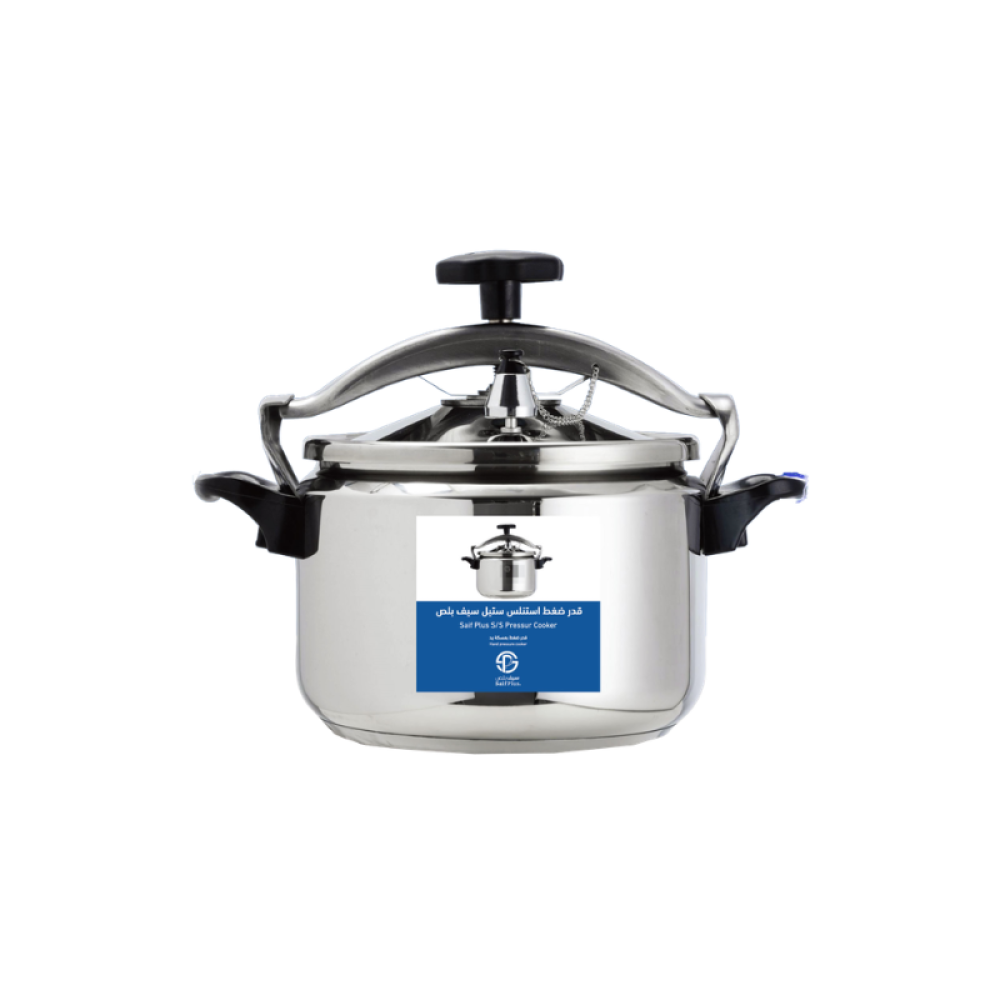
Why it matters to know how to store pressure cooker safely
A pressure cooker is more than a pot. Poor storage can damage seals, trap moisture, and lead to rust or odd smells. Knowing how to store pressure cooker safely extends its life, keeps food safe, and saves you money on repairs. Small habits now prevent big problems later.
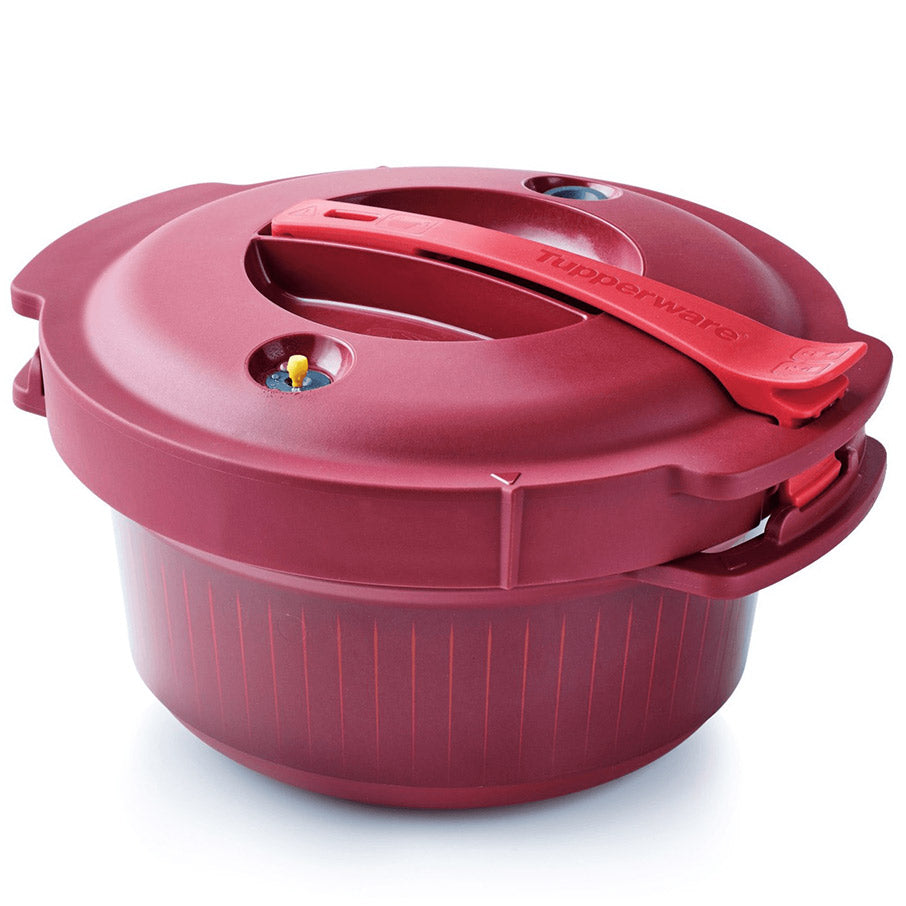
How to store pressure cooker safely: Step-by-step guide
Follow these clear steps to store your cooker the right way.
-
Clean right away
- Rinse away food bits immediately after use.
- Wash with warm, soapy water and a soft sponge.
- Avoid harsh scouring pads that can scratch the pot.
-
Dry fully
- Wipe all parts with a dry cloth.
- Air dry upside down on a rack for 30–60 minutes.
- Make sure the lid and body are bone dry before storing.
-
Disassemble key parts
- Remove the gasket, pressure valve, and any detachable inserts.
- Store small parts in a labeled bag or container.
- This prevents trapping moisture or odors inside the sealed cooker.
-
Store with lid off or inverted
- Store the lid upside down on the pot or nearby.
- Do not seal the cooker closed while storing.
- Allow air to circulate to prevent stale smells and mildew.
-
Keep gasket and valve ventilated
- Store the rubber gasket separately in a cool, dry place.
- Keep valves clean and dry and avoid forcing them closed.
- Check parts monthly for wear.
The steps above explain how to store pressure cooker safely in a reliable, repeatable way. These steps work for electric and stove-top pressure cookers.

How to store pressure cooker safely: Cleaning, drying, and disassembly
Clean parts protect function and safety. Food left in seams or the vent can spoil and clog valves.
- Clean the lid, rim, and safety valves after each use. Wipe any food from the vent with a toothpick if needed.
- Remove the gasket and wash it gently. Inspect for cracks or stretching.
- Let everything dry completely before reassembly. Moisture is the main cause of bad smells and rust.
From my experience, skipping the gasket check is the biggest mistake. I once stored a cooker with a damp gasket and found mildew two weeks later. A quick dry and separate storage fixed it.
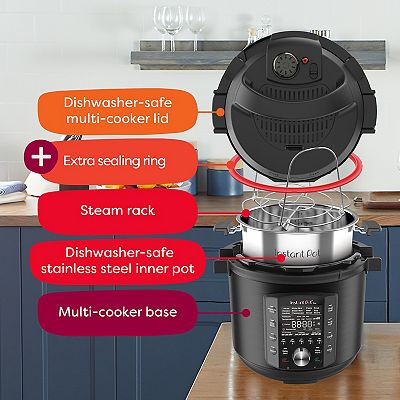
How to store pressure cooker safely: Best places and containers for storage
Pick a spot that is cool, dry, and easy to reach. Avoid places that see heat or humidity.
- Kitchen cabinet on a middle shelf. Keeps the cooker handy and dry.
- Pantry shelf away from the stove. Cooler and less prone to heat cycles.
- Open shelving with good airflow. Helps parts stay dry and visible.
- Tall cabinet for upright storage. Store pot body upright and lid inverted.
- Small plastic bin for parts. Use a labeled bin for gaskets, rings, and screws.
Do not store the cooker under the sink, near the dishwasher, or in a damp basement. Those spots invite moisture and corrosion.
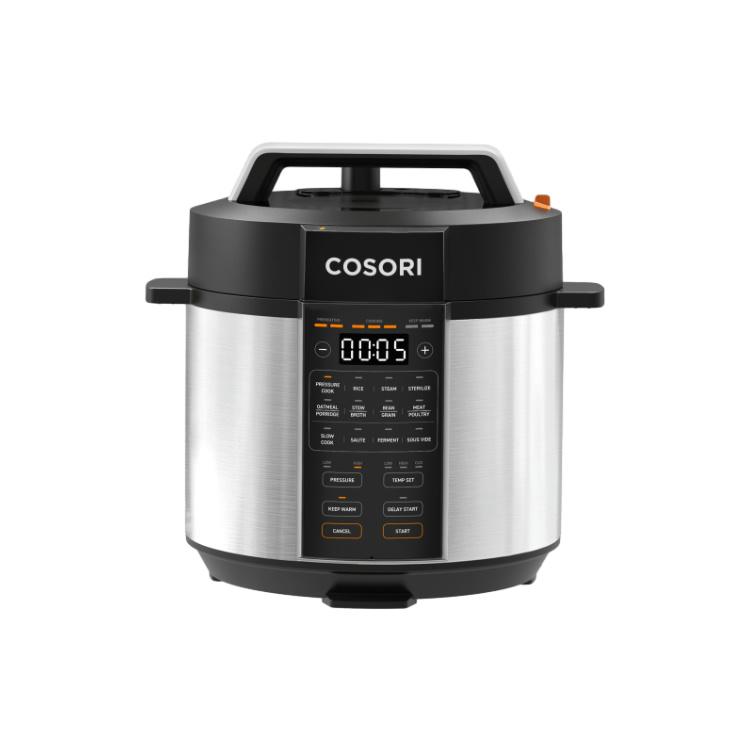
How to store pressure cooker safely: Long-term care and maintenance
Long-term care keeps your cooker safe and ready for use. A little maintenance goes a long way.
- Inspect the gasket every 3 months. Replace if it is stretched, cracked, or hard.
- Test the pressure valve before use by moving it gently. Clean if sticky.
- Oil metal parts lightly if you live in a humid area. Use a food-safe oil on the rim to prevent rust.
- Store the instruction manual with the cooker. It helps with model-specific care.
My test kitchen keeps a spare gasket for each cooker. That habit saved a weekend meal after a worn ring failed just before guests arrived.
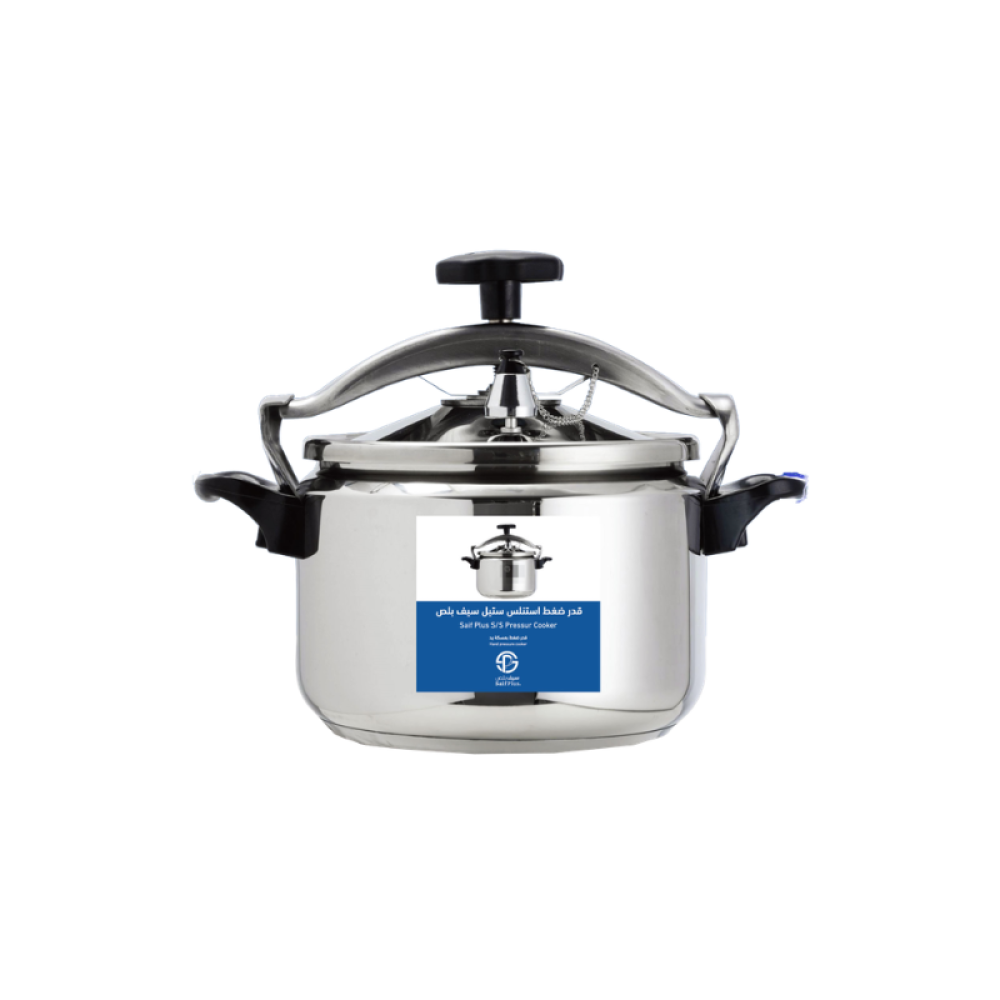
How to store pressure cooker safely: Common mistakes and safety tips
Avoid these common errors to protect your cooker and your kitchen.
- Storing the cooker sealed shut. This traps moisture and breeds odors.
- Leaving the gasket in a damp lid. It can deform and lose its seal.
- Ignoring the safety valve. A stuck valve can be dangerous when reheating.
- Using bleach or harsh chemicals on rubber parts. They can weaken the gasket.
Safety tip: Always let the cooker cool fully and release pressure by the correct method before cleaning. If a valve or part looks damaged, replace it before using the cooker again.

PAA-style questions (People Also Ask)
What is the best way to store a pressure cooker when not in use?
Store it clean, dry, and with the lid inverted or off the pot so air can flow.
Can I put the gasket back on the lid when storing?
It’s better to store the gasket separately in a dry place to avoid trapping moisture and to extend its life.
Should I keep the pressure cooker on the stove or in a cabinet?
Keep it in a cool cabinet or shelf. Avoid leaving it on the stove where heat and grease can cause damage.
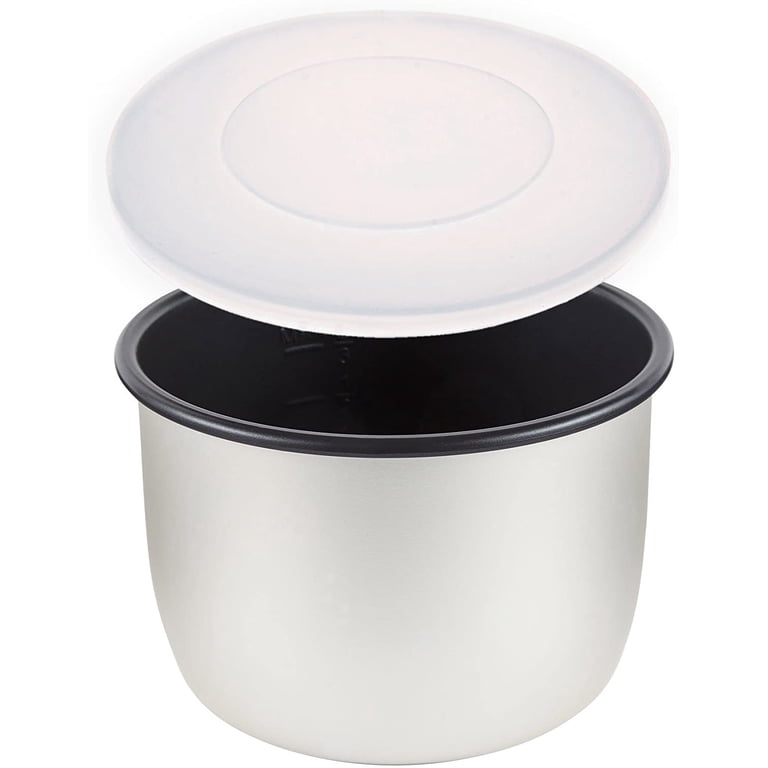
Frequently Asked Questions of how to store pressure cooker safely
How often should I replace the gasket?
Replace the gasket every 12–18 months or sooner if you see cracks, stretching, or loss of elasticity. A worn gasket can prevent proper sealing and cause cooking issues.
Can I stack other pots inside my pressure cooker?
You can stack light items inside the pot if the lid is stored separately, but avoid heavy or sharp objects that could scratch the interior. Keep the inside clean and dry first.
Is it okay to store the pressure cooker assembled?
Storing assembled with the lid closed is not recommended because it traps moisture and odors; store with the lid inverted or off. Ventilation helps prevent mildew and smell.
How do I prevent rust during storage?
Dry thoroughly, keep in a cool dry spot, and avoid placing it on damp surfaces. For long-term storage in humid climates, a light coat of food-safe oil helps protect metal.
What should I do if a safety valve is stuck after storage?
Do not force it. Clean around the valve with a soft brush and warm water, then test gently. If it remains stuck, replace the valve or have it serviced.
Can I store small parts like screws and handles together?
Yes, store small parts in a labeled zip bag or small box placed near the cooker. This keeps parts together and prevents loss.
Does electric pressure cooker storage differ from stovetop models?
The basics are the same: clean, dry, disassemble, and ventilate. For electric models, also unplug and dry the base and avoid storing with the cord wrapped tightly.
Conclusion
Storing your pressure cooker the right way keeps it safe, clean, and ready to use. Clean and dry every part, disassemble key pieces, and store the cooker with good airflow in a cool spot. Check seals and valves regularly and replace worn parts promptly. Start today: pick a dry shelf, set aside a small box for parts, and make these steps a simple habit. If this helped, subscribe for more kitchen tips or leave a comment with your storage questions.