
Measure, cut, seal, fasten, and reconnect plumbing to install a watertight kitchen sink.
I’ve installed many sinks, from simple drop-ins to heavy undermount granite. This guide shows how to put in a new kitchen sink with clear steps, tools, and pro tips. You’ll learn how to measure, choose the right sink, cut or prepare the countertop, seal and secure the fixture, connect plumbing and garbage disposal, and test for leaks. Read on for a practical, experienced approach that keeps the job safe, efficient, and long-lasting.
Tools and materials you’ll need
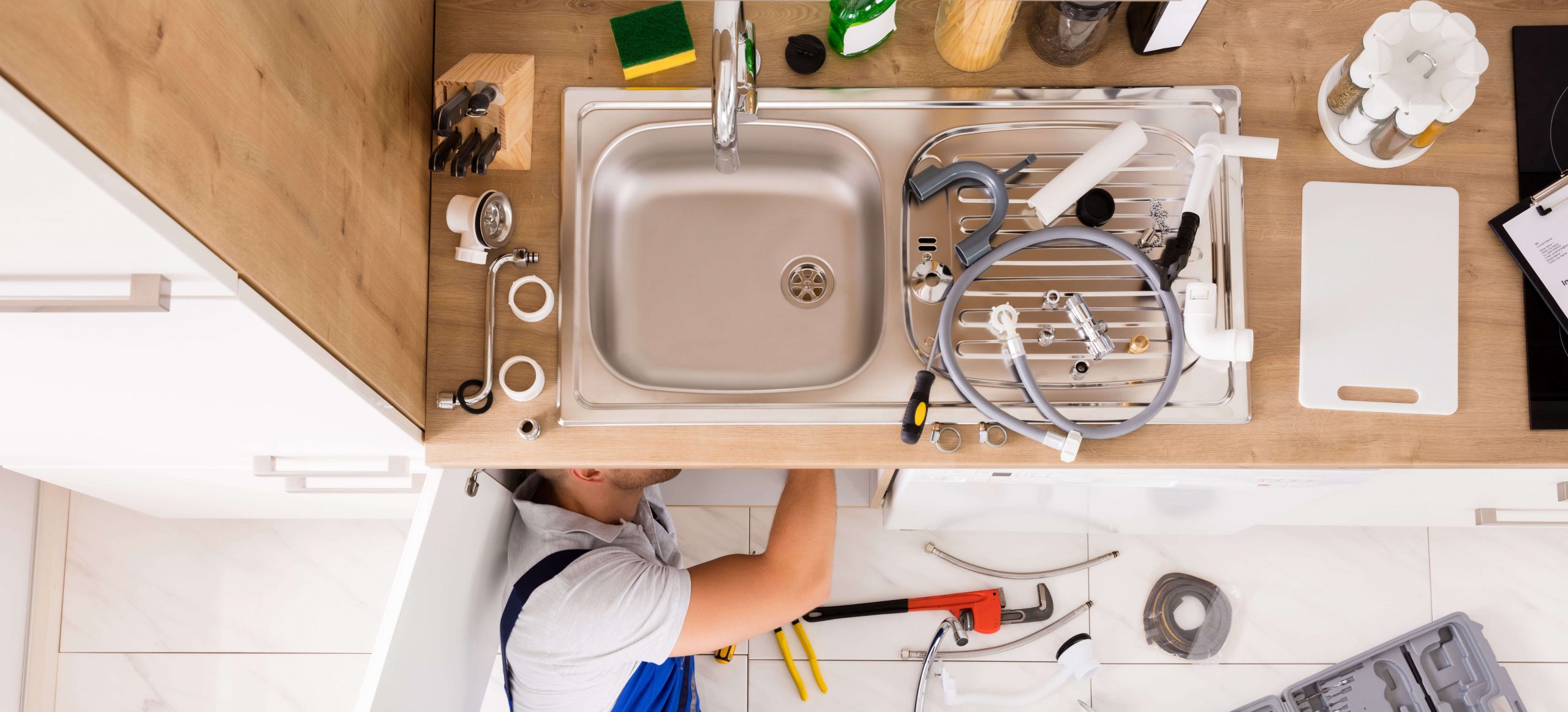
A tidy tool set makes how to put in a new kitchen sink much easier. Gather everything before you start to avoid delays. The list below covers the usual tools, fittings, and supplies for most sink installs.
- Adjustable wrench: For supply lines and trap nuts.
- Basin wrench: Reaches tight faucet nuts beneath the sink.
- Screwdrivers: Flat and Phillips for clips, straps, and filler pieces.
- Utility knife: Trim old caulk and cut gasket material.
- Silicone caulk and caulking gun: For a watertight seal around the rim.
- Plumber’s putty: Optional for some sink and drain connections.
- Tape measure: Accurate measurements prevent cutout errors.
- Jigsaw or router: If you need to cut a countertop or enlarge a hole.
- Putty scraper and rags: Clean surfaces before sealing.
- Bucket and towels: Catch water when disconnecting plumbing.
- New P-trap kit and supply lines: Replace old, corroded pieces.
- Mounting clips and hardware: Often included with the sink, but bring extras.
When learning how to put in a new kitchen sink, having the right parts saves trips to the store. Always check the sink and faucet manufacturers’ instructions and local plumbing codes for specific fittings and clearances.

Choosing the right sink and measuring correctly
Choosing a sink affects how to put in a new kitchen sink and how the final job looks and functions. Consider bowl size, material, mounting style, and how it fits with your countertop.
- Bowl count and depth: Single, double, or triple bowls affect plumbing layout and cabinet space.
- Material: Stainless steel is common and light; fireclay and granite are heavier but durable.
- Mounting style: Drop-in (top-mount) sits on the counter; undermount clips beneath the counter; farmhouse (apron-front) changes cabinet front.
- Rough-in and clearance: Measure cabinet width, faucet reach, and any fixtures nearby. Ensure the cabinet can hold the sink weight, especially for undermount or heavy stone sinks.
Measure twice before cutting. When you’re installing how to put in a new kitchen sink, confirm the sink template fits the countertop pattern and any installed faucets or accessories clear cabinets and appliances. If you plan to add a disposal, check the drain hole and cabinet space.

Step-by-step: how to put in a new kitchen sink
Follow these steps in order. Read each fully before you begin. Work slowly and test fit parts as you go.
- Prepare and shut off
- Turn off hot and cold water supply valves under the sink. If none exist, shut off the house water main.
- Open the faucet to drain lines. Place a bucket under the P-trap and disconnect the drain to catch water.
- Remove the old sink
- Disconnect the faucet, supply lines, and drain assembly. Remove mounting clips or screws.
- If it’s a drop-in, cut old caulk and lift the sink out. For undermounts, support the sink as you remove clips or adhesives.
- Clean and inspect the countertop
- Remove old putty and caulk. Sand or smooth any rough spots. Check the cutout for rot or damage and repair as needed.
- Dry the area completely before sealing.
- Test fit the new sink
- Place the sink in the cutout to check fit and alignment. Mark any adjustments. Confirm faucet and accessory holes line up.
- If you must cut the countertop, use the sink template and a jigsaw or router with proper blades.
- Install faucet and accessories
- It’s often easier to mount the faucet, soap dispenser, and sprayer to the sink before setting it into place. Tighten nuts by hand and finish with a basin wrench.
- Use the manufacturer’s gasket or plumber’s putty where required.
- Apply sealant and set sink
- For drop-in sinks, apply a continuous bead of silicone caulk around the lip of the cutout and lower the sink into place. For undermounts, follow the adhesive and clip instructions and clamp or weight until set.
- Wipe away excess caulk immediately for a clean finish.
- Secure mounting hardware
- Hand-tighten mounting clips and then snug them per instructions. For undermounts, verify the sink sits flush and level.
- Re-install the countertop splash or trim pieces.
- Reconnect plumbing
- Install the drain flange with plumber’s putty or gasket per the drain kit instructions. Attach P-trap and supply lines. If installing a garbage disposal, mount it now and connect to the drain.
- Turn on supply valves and check for leaks at all connections. Tighten as needed.
- Test and finish
- Run water for several minutes. Check for leaks under the sink and around the drain. Test the faucet, sprayer, and disposal.
- Clean the silicone bead after it cures to maintain a neat look.
Every time I install a sink, I test the faucet and drain separately first. That simple check often finds small leaks before I finish the cabinet. When you follow these steps for how to put in a new kitchen sink, you reduce callbacks and fix-ups.
Undermount vs drop-in: what to know
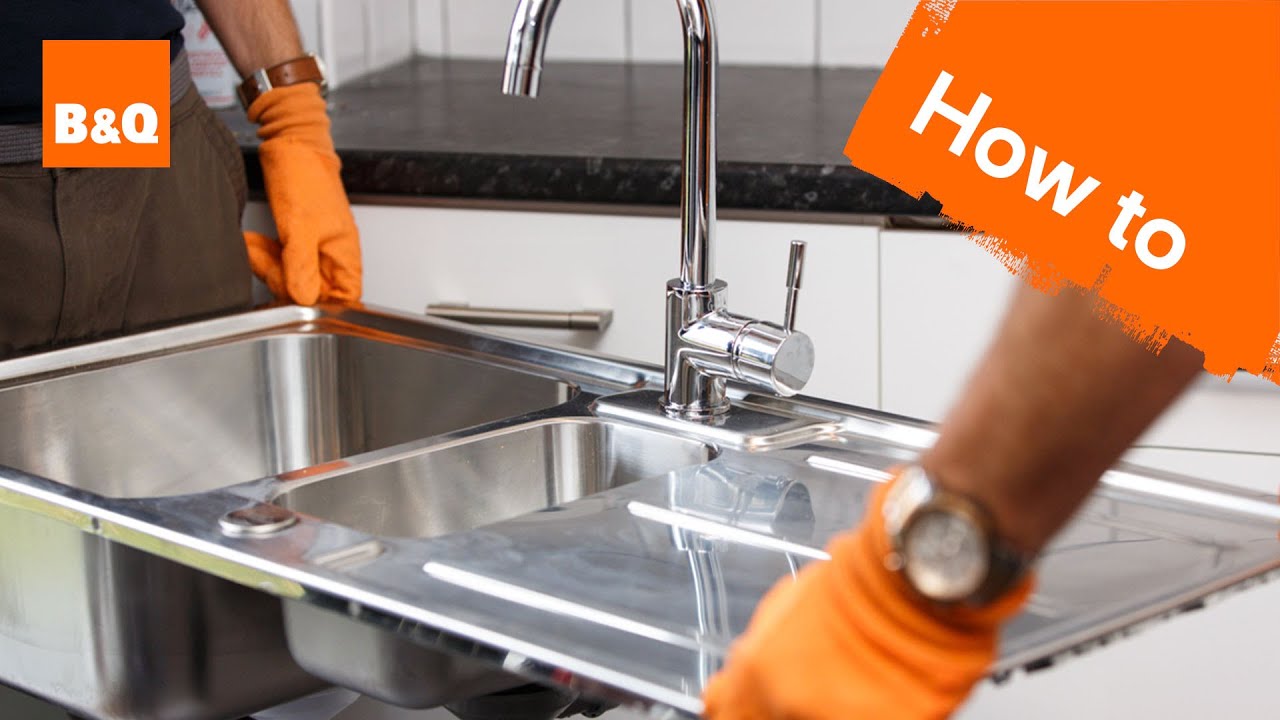
The method you use affects how to put in a new kitchen sink and the tools you need. Each style has pros and cons.
- Drop-in sinks: Easier for DIY. The rim sits on the counter. Sealing is simple, and replacement is straightforward.
- Undermount sinks: Clean look and easier counter cleanup. They need strong adhesive, precise cutouts, and secure clips. Cabinet reinforcement may be required for heavy sinks.
If you choose an undermount, follow the sink maker’s curing time for adhesives. I once underestimated cure time and found the sink shifted when I tightened plumbing. Let adhesives fully set to avoid misalignment.

Plumbing connections, garbage disposal, and dishwasher hookups
Proper plumbing finishing makes how to put in a new kitchen sink complete and code-compliant. Safety and function matter most.
- Drain assembly: Use the supplied flange and tailpiece. Ensure the P-trap height and alignment match the house drain.
- Garbage disposal: Mount the disposal following its template. Connect the discharge to the trap using the correct adapter. If a dishwasher connects, plug the dishwasher knockout in the disposal or use the air gap and high loop per code.
- Supply lines: Use braided stainless lines for durability. Tighten connections but avoid over-tightening which can crack fittings.
- Air gap or high loop: Required in many areas to prevent backflow from dishwasher to sink. Verify local code.
Test the disposal with water running and listen for unusual noises. Tighten connections if you find drips. If you’re unsure about gas or complex venting issues, call a licensed plumber.

Common mistakes and troubleshooting
Mistakes are normal, but avoid the repeatable ones. Fix these early to prevent damage.
- Poor measurement: Cutting the wrong size hole is costly. Measure twice and use the template.
- Skipping new supply lines: Old lines can fail. Replace them when you install a new sink.
- Under-sealing undermounts: Use the right adhesive and enough cure time.
- Over-tightening fittings: This can crack fittings or strip threads. Hand-tighten then snug with a wrench.
- Ignoring cabinet reinforcement: Heavy sinks need solid support to avoid sagging.
If you see slow drainage, check for installation debris in the trap or discharge. Persistent leaks at the flange usually mean the seal or tongue-and-groove fit needs redoing.

Maintenance tips and long-term care
Careful maintenance extends the life of your sink and prevents leaks.
- Reseal every few years: Check silicone around the rim and re-caulk if it shows gaps or mold.
- Avoid harsh chemicals: Use mild cleaners; strong acids or bleach can damage finishes and seals.
- Protect the surface: Use sink grids in stainless steel and avoid heavy impacts on ceramic or stone sinks.
- Inspect under-sink yearly: Look for leaks, corrosion, or loose fittings and tighten or replace parts as needed.
Routine checks save money. A quick under-sink inspection once a season prevents small drips from becoming big repairs and makes future installs of how to put in a new kitchen sink easier.

Personal experience and pro tips
I’ve installed sinks in old homes and new builds. A few lessons stand out from those jobs.
- Never rush the sealant: Waiting the full cure time avoids leaks and mess.
- Use new hardware: Old clips, gaskets, and supply lines are cheap compared to repair costs.
- Label supply lines: When disconnecting multiple lines, label them so reconnection is fast and correct.
- Ask for a second set of hands for heavy sinks: Granite and cast iron need careful handling and support.
One time I reused an old waste flange and had a slow leak. Replacing the flange fixed it quickly. Small, practical choices matter when you install how to put in a new kitchen sink.
Frequently Asked Questions of how to put in a new kitchen sink
How long does it take to install a new kitchen sink?
A basic drop-in can take 2 to 4 hours for a DIYer. Complex installs with countertop cutting or undermount sinks can take a day or more, including adhesive cure time.
Can I install a new sink myself?
Yes, many homeowners can install a sink if they have basic plumbing skills and the right tools. Hire a licensed plumber if the job involves major plumbing changes or gas appliances.
Do I need special tools for undermount sinks?
You will need strong adhesives, mounting clips, and possibly cabinet reinforcement tools. A helper, clamps, or supports make installing heavy undermount sinks much safer.
What sealant should I use around the sink?
Use a 100% silicone kitchen caulk rated for water and mold resistance. Some manufacturers recommend plumber’s putty for drain flanges, but follow the drain and sink instructions.
How do I prevent leaks at the drain flange?
Clean surfaces before installing, use the correct gasket or plumber’s putty, and hand-tighten then snug the locknut. Test with water and re-tighten if small leaks appear.
Conclusion
You now have clear, practical steps for how to put in a new kitchen sink, from choosing the right model to finishing plumbing and testing for leaks. Measure carefully, prepare your workspace, use the correct tools and materials, and don’t rush the sealant or plumbing checks. Try the step-by-step approach on a simple drop-in first if you’re new to this work. If you found this guide helpful, try the project, learn from the process, and share your results or questions in the comments.