
Steam rice in a pressure cooker by rinsing rice, using the right water ratio, and cooking 1–12 minutes.
I’ve cooked rice in pressure cookers for years, and I’ll walk you through exactly how to steam rice in pressure cooker so you get fluffy, separate grains every time. This guide covers the gear, rice-to-water ratios for different rice types, step-by-step instructions, troubleshooting tips, and real-life tricks I learned from daily kitchen tests. Read on to master how to steam rice in pressure cooker with confidence and minimal fuss.

Why steam rice in a pressure cooker?
Steaming rice in a pressure cooker saves time and energy while giving consistent results. Pressure traps steam and cooks grains faster than stovetop boiling.
Pressure cooking preserves flavor and yields tender, evenly cooked rice. It’s ideal for busy weeknights and batch cooking. I often use my pressure cooker when making meal prep bowls because the rice is reliable every time.

Essential equipment and rice types for steaming in a pressure cooker
Choose the right pot and rice to get predictable results. Not all rice behaves the same under pressure.
Use a modern electric pressure cooker or stovetop model with a reliable seal and pressure indicator. A metal or heatproof rice insert helps when steaming smaller portions. Rinsing tools and a fine-mesh strainer make rinsing quick and easy.
Common rice types and how they differ when you steam rice in pressure cooker
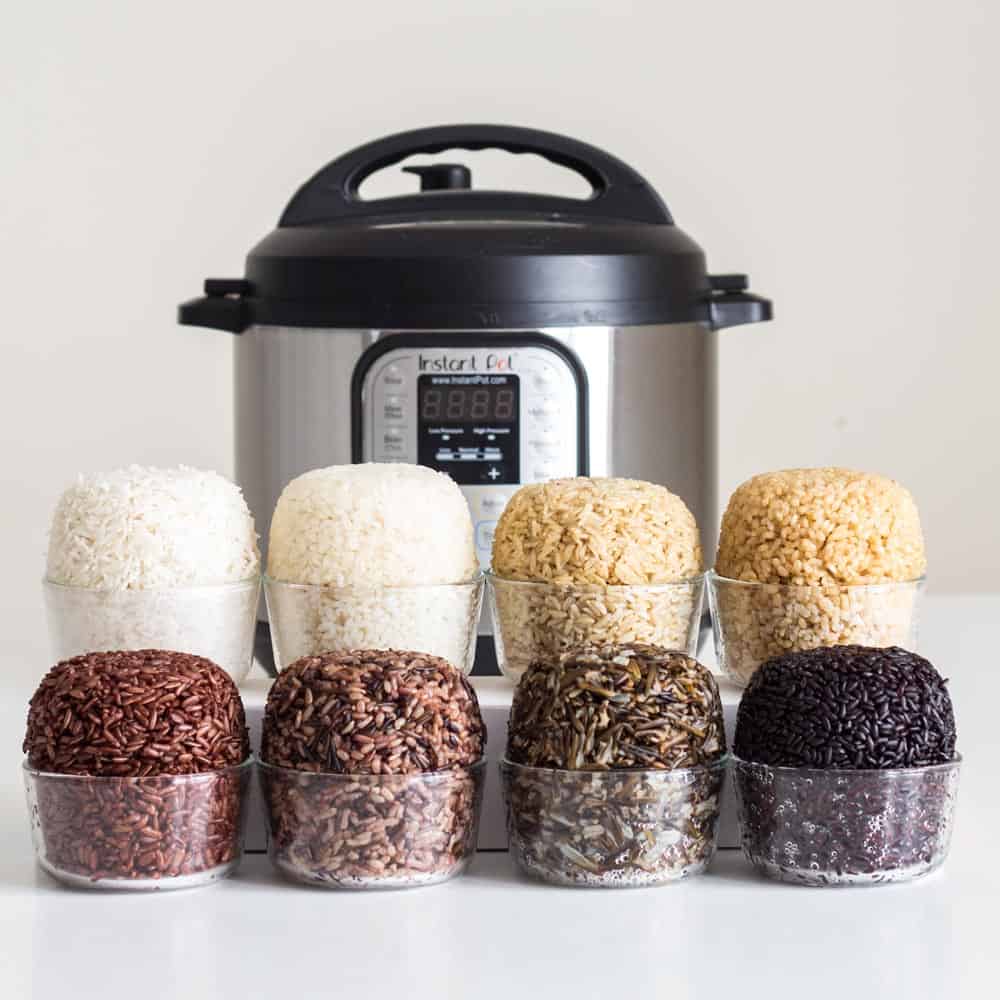
- White long-grain (basmati, jasmine): Cooks fast and yields separate grains. Use slightly less water.
- Short-grain (sushi, Arborio): Stickier texture; reduce stirring to avoid clumping.
- Brown rice: Needs more water and longer pressure time because of the bran layer.
- Parboiled/converted: Firmer, needs similar time to white but may need a bit more water.

Step-by-step: How to steam rice in pressure cooker
Follow these clear steps to steam rice in pressure cooker and avoid common mistakes.
- Measure and rinse
- Measure rice with a cup. For best texture, rinse rice under cool water until water runs nearly clear. Rinsing removes excess starch and prevents gummy rice.
- Drain well
- Let rice drain for 1–2 minutes in a fine-mesh strainer so extra water doesn’t alter the ratio.
- Add rice and water to the cooker
- Use these starter ratios:
- White long-grain: 1 cup rice to 1.25 cups water
- Jasmine: 1 cup rice to 1.25 cups water
- Basmati: 1 cup rice to 1.25 cups water, add 10 minutes natural release
- Short-grain: 1 cup rice to 1.3 cups water
- Brown rice: 1 cup rice to 1.5–1.75 cups water
- Season and oil
- Add 1/4 teaspoon salt per cup of rice and 1 teaspoon oil or butter if desired. Oil helps grains separate when you steam rice in pressure cooker.
- Seal and cook
- Lock the lid. Set pressure to high. Typical cook times under full pressure:
- White rice: 3–7 minutes
- Jasmine/basmati: 4–6 minutes
- Brown rice: 15–22 minutes
- Natural release vs quick release
6. Let pressure release naturally for 10 minutes for tender grains. For firmer rice, use quick release after a short natural release. I usually do a 10-minute natural release for white rice. - Fluff and rest
- Open lid away from you. Fluff rice gently with a fork and let rest covered for 5 minutes. This evens out moisture and gives a great texture.
Practical example: To steam 2 cups of jasmine rice, rinse, drain, add 2.5 cups water, set high pressure for 5 minutes, then 10 minutes natural release, quick release remaining pressure, fluff, and serve. This method nails fluffy grains every time.
Tips, variations, and flavoring ideas
Simple tweaks make a big difference when you steam rice in pressure cooker.
- Use stock instead of water to add depth and flavor.
- Toast rice in a little oil for two minutes before adding water to add a nutty note.
- Add aromatics like a crushed garlic clove, bay leaf, or a few cardamom pods to the pot for subtle flavor.
- For sushi-style rice, add vinegar-sugar-salt dressing after cooking while rice is still warm.
- Scale water ratios slightly when cooking very large or very small amounts; small batches often need slightly less water.
From my experience, using filtered water and consistent measuring is the biggest secret to repeatable results. I once under-measured water and ended up with undercooked rice for a dinner party—now I measure and rinse every time.

Troubleshooting common problems when you steam rice in pressure cooker
Problems happen. Here are quick fixes based on real kitchen tests.
- Rice too mushy
- Cause: Too much water or too long a cook time.
- Fix: Reduce water by 10–15% next time and shorten pressure time by 1–2 minutes.
- Rice undercooked or hard
- Cause: Too little water or quick release too soon.
- Fix: Add 1/4–1/2 cup hot water, reseal, and steam at low pressure for 1–3 minutes, then natural release.
- Rice sticking or burning on the bottom
- Cause: Heat too high or not enough water; starch build-up.
- Fix: Scrape gently, soak and clean the pot. Next time add a teaspoon of oil and ensure proper ratio.
- Grain clumping
- Cause: Overstirring after cooking or too much surface starch.
- Fix: Fluff gently and avoid stirring when the lid is sealed. Rinse rice well before cooking.
- Pressure won’t build
- Cause: Seal not seated or too much liquid causing foaming.
- Fix: Check the seal and vent. Use less soap residue on rice and avoid starchy foams by rinsing well.
Nutrition, storage, and reheating after you steam rice in pressure cooker
Steamed rice is a neutral base with simple storage needs. Cooked rice stores well in the fridge for safe use.
- Nutrition basics
- Rice is mainly carbohydrates with small amounts of protein. Brown rice retains more fiber and micronutrients than white rice.
- Storage and safety
- Cool rice quickly and refrigerate within two hours. Store in an airtight container for up to 4–5 days.
- Reheating
- Reheat with a splash of water and cover. Steam on medium heat or microwave with a damp towel to restore moisture.

Frequently Asked Questions of how to steam rice in pressure cooker(make it h2 tag)
How much water should I use to steam white rice in a pressure cooker?
Use about 1.25 cups of water per 1 cup of white long-grain rice as a starting point. Adjust slightly by 1–2 tablespoons based on your cooker and personal texture preference.
Can I steam brown rice in a pressure cooker the same way as white rice?
You can, but brown rice needs more water and longer pressure time because of the bran. Try 1 cup rice to 1.5–1.75 cups water and 15–22 minutes under pressure.
Do I need to rinse rice before steaming in a pressure cooker?
Rinsing is recommended because it removes excess starch that causes gummy rice. Rinse until water runs nearly clear for best results.
Should I use natural release or quick release when I steam rice in pressure cooker?
Natural release for 10 minutes gives softer, more even grains; quick release yields slightly firmer rice. Many cooks prefer a short natural release for white rice.
Can I cook rice and other ingredients together in a pressure cooker?
Yes. Layer ingredients with firmer vegetables or proteins below the rice if cooking together. Adjust water and time to account for the additional moisture and cooking needs.
Is it safe to leave rice inside the pressure cooker to keep warm?
Most electric pressure cookers have a warm function that is safe for a few hours. For best texture and food safety, avoid leaving rice on warm for more than 2–3 hours.
Conclusion
Steaming rice in a pressure cooker gives fast, consistent results once you dial in the right ratios and techniques. Use the rinse-measure-cook-fluff routine and tweak water and timing for your rice variety. Try a small test batch to find your perfect ratio, then scale up with confidence. If you enjoyed this guide, try one of the flavor variations, subscribe for more kitchen tips, or leave a note telling me which rice you steamed first.