
Use a firm grip, cold cheese, and steady strokes to grate safely and get even shreds.
I’ve spent years cooking and testing tools in home kitchens, and I’ll walk you through how to use a cheese grater like a pro. This guide explains types of graters, step-by-step technique, safety tips, cleaning, and smart uses so you can grate faster, cleaner, and with less waste.

Types of cheese graters and what they do
There are a few common grater styles. Knowing them helps you pick the best tool and shows you how to use a cheese grater for each task.
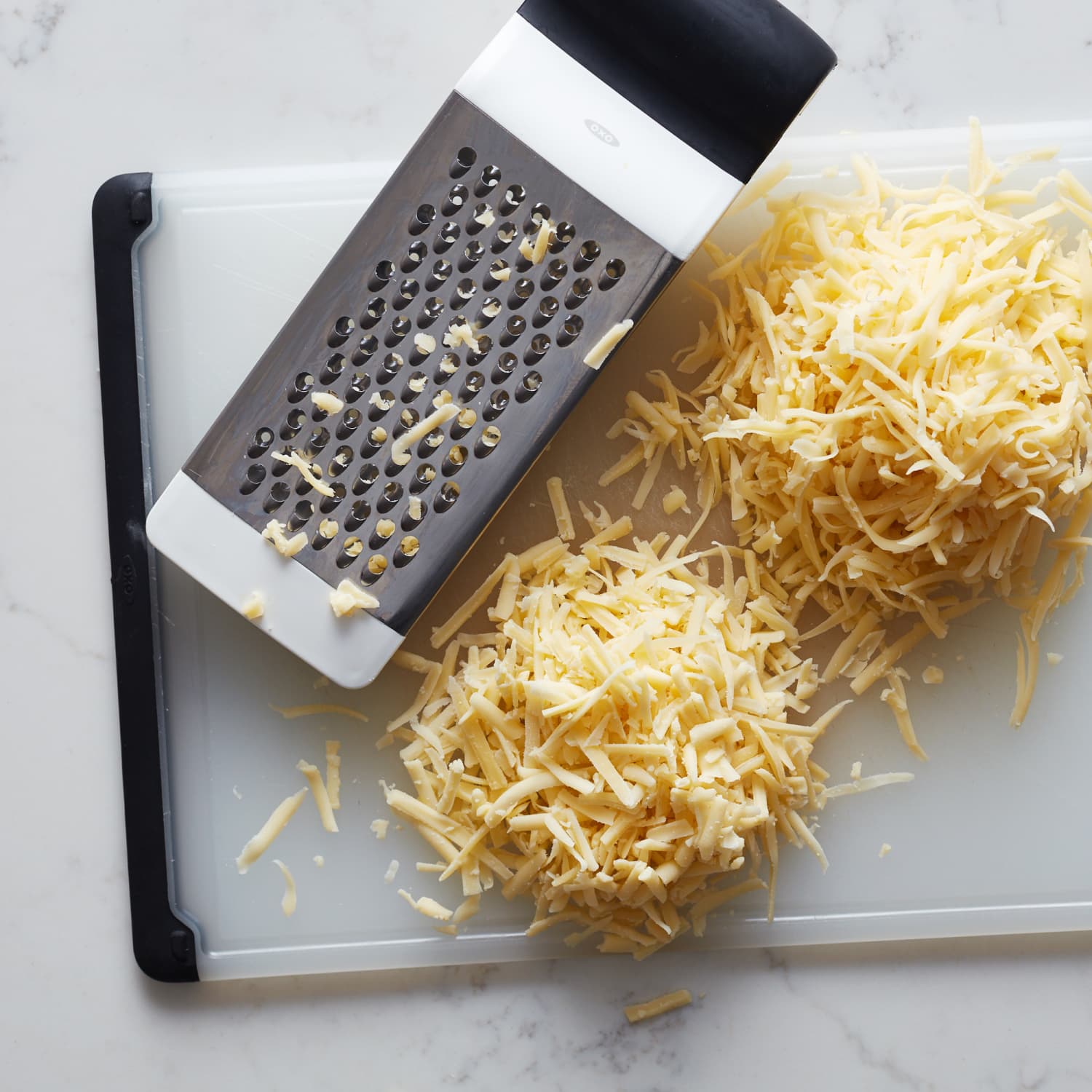
- Box grater: Four sides with coarse, medium, fine, and slicing faces. Great for hard cheeses and firm vegetables.
- Microplane (fine rasp): Produces fluffy, snow-like shreds and fine zest. Ideal for hard aged cheeses and citrus.
- Rotary grater: Hand-crank tool that keeps fingers away from blades. Good for quick grating at a table.
- Handheld flat grater: Small and quick. Works well for grating over plates or pans.
- Electric grater/shredder: Fast for large volumes. Best for frequent or heavy use.
How you use each type changes slightly. For example, microplanes need light pressure while box graters welcome firmer strokes. Understanding these types is the first step in learning how to use a cheese grater well.

Choosing the right grater for the job
Match the grater to the cheese and recipe. This helps you save time and get the texture you want.
- Hard cheeses: Use the fine side of a box grater or a microplane for Parmesan or Pecorino.
- Semi-hard cheeses: Use medium shreds for cheddar or Gruyère when melting.
- Soft cheeses: Chill soft cheese first, then use the coarse side or slice thinly.
- For zest or fine flavor: Use a microplane for citrus and nutmeg.
I often chill softer blocks in the freezer for 10–15 minutes. This makes grating easier and shows a simple trick to improve how to use a cheese grater for soft varieties.

How to use a cheese grater — Step-by-step guide
Follow these clear steps to grate cleanly and safely.
- Prepare the cheese
- Keep the block cold. Put soft cheeses in the freezer for 10–15 minutes.
- Remove packaging and any wax or thick rind that you don’t want to grate.
- Set up your station
- Place the grater on a stable surface or over a bowl. Use a damp towel under the grater to stop slipping.
- Hold the grater with one hand and the cheese with the other.
- Grip and angle
- Hold the cheese firmly. Aim the grater at 45 degrees for controlled strokes.
- Move the cheese up and down the grater, not the grater across the cheese.
- Stroke technique
- Use even pressure and steady strokes. For microplanes, use light pressure away from your body.
- Stop several millimeters before you reach your fingers.
- Collecting the grated cheese
- Tap the grater so shreds fall into the bowl. For a box grater, tap the bottom to release trapped bits.
- If you need very fine shreds, follow up with a microplane.
- For small end pieces
- Use a cut-off or a silicone finger guard. Alternatively, fold a kitchen towel to hold the tiny end piece and grate safely.
- Use right away or store
- Freshly grated cheese melts better and tastes fresher. Store excess in an airtight container with a pinch of cornstarch to prevent clumping.
- Cleanup
- Rinse immediately to avoid hardened cheese. See the cleaning section for details.
Practice makes perfect. After a few batches you’ll intuitively know how to use a cheese grater quickly and safely.

Safety tips when grating
Safety keeps cooking fun. These simple habits reduce nicks and cuts.
- Watch your fingertips and stop early. Leave a small piece ungrated rather than risk a cut.
- Use a cut-resistant glove or finger guard for extra protection.
- Stabilize the grater on a towel or non-slip mat to prevent slips.
- Keep blades sharp. Dull edges force you to press harder and can slip.
- Always grate away from your body and keep your other hand clear.
I once ruined a favorite shirt with a flying block of cheese because the grater slipped. A non-slip towel fixed that problem forever and is now a habit.
Cleaning and maintenance
Clean and care for your grater to keep it safe and effective.
- Rinse right away under warm water to remove soft residues.
- Use a small brush or toothbrush to clear trapped bits from holes and teeth.
- For stubborn bits, soak in warm soapy water for a few minutes before brushing.
- Many stainless steel graters are dishwasher-safe, but hand washing preserves sharpness longer.
- Dry thoroughly to prevent rust and store in a dry place.
If a grater becomes dull, replace it. Sharpening graters is often impractical, so keep backups like a box grater and a microplane.

Recipes and creative uses beyond cheese
A grater is versatile. Here are smart ways to use it.
- Citrus zest: Use a microplane to get aromatic zest for dressings and desserts.
- Chocolate: Grate chocolate over cakes and coffee for fine flakes.
- Vegetables: Grate carrots or zucchini for salads, fritters, or baking.
- Garlic and ginger: Use the fine side for silky, almost paste-like results.
- Nutmeg and hard spices: Microplane spices for even flavor distribution.
I regularly grate lemon zest over salads. The fine texture releases flavor without dropping peels into the dish. These extras show how learning how to use a cheese grater expands your kitchen skills.

Troubleshooting and common mistakes
Fix these common problems fast.
- Cheese clogs the holes: Stop and tap the grater or use a brush to clear clogs. Chill the cheese longer next time.
- Grater slips: Add a damp cloth under the base or hold it over a bowl with one hand.
- Uneven shreds: Keep steady pressure and a consistent angle on each stroke.
- Soft cheese mashes: Chill the cheese first or use a coarse grate or slicer.
These fixes come from small kitchen trials. Try one at a time to see which helps most.

PAA-style quick questions
Can you grate cheese without a grater?
Yes. Use a food processor with a grating disc or slice the cheese thinly with a knife. These work well for bulk prep but may not match the fine texture of a microplane.
How do I stop grated cheese from clumping?
Toss warm shredded cheese with a small pinch of cornstarch or flour and store in an airtight container. Cool completely before sealing.
Is it better to grate cheese cold or room temperature?
Cold cheese holds shape and grates cleaner. Room temperature cheese tends to smear and clump, especially softer varieties.
Frequently Asked Questions of how to use a cheese grater(make it h2 tag)
How do I grate very soft cheese without it sticking?
Chill the cheese in the freezer for 10–15 minutes to firm it up. Use the coarse side of a grater and grate quickly with even strokes.
What side of a box grater is best for melting cheese?
The medium side gives good-sized shreds that melt evenly for sauces and casseroles. For a faster melt, use finer shreds from a microplane.
Can I use a grater for vegetables and fruits?
Yes. Graters work well for carrots, zucchini, citrus zest, and firm fruits. Use the grater face that matches the desired texture.
How do I clean cheese stuck in tiny grater holes?
Soak the grater in warm soapy water, then scrub with a small brush or toothbrush. Rinse and dry fully to prevent rust.
Is a rotary grater safer than a box grater?
A rotary grater reduces direct contact with blades and can be safer for large volumes. Proper technique still matters to avoid slips or jams.
How long does grated cheese stay fresh?
Freshly grated cheese lasts 3–5 days in an airtight container in the fridge. Use a pinch of cornstarch to absorb moisture and reduce clumping.
Can I grate frozen cheese?
Yes, very well. Partially freeze cheese for 10–15 minutes to make grating easier and less messy. Avoid fully freezing for texture loss.
Conclusion
Grating cheese is a small skill that makes a big kitchen difference. Learn your grater types, keep cheese cold, use steady strokes, and prioritize safety to get perfect shreds every time. Try one tip from this guide today—chill a soft cheese or use a damp towel under your grater—and you’ll notice better texture and less mess. Share your grating wins or questions below, subscribe for more simple kitchen tips, or try a new recipe that calls for freshly grated cheese.