
Use a pressure cooker by sealing the pot, building pressure, timing the cook, then releasing safely.
I’ve used pressure cookers for years in home and test kitchens, and this guide walks you through how to use a pressure cooker with clear steps, safety tips, and real-life tricks. You’ll learn what a pressure cooker does, how to pick the right model, step-by-step cooking, timing charts, common mistakes, and simple maintenance to get reliable meals fast.
Why use a pressure cooker?
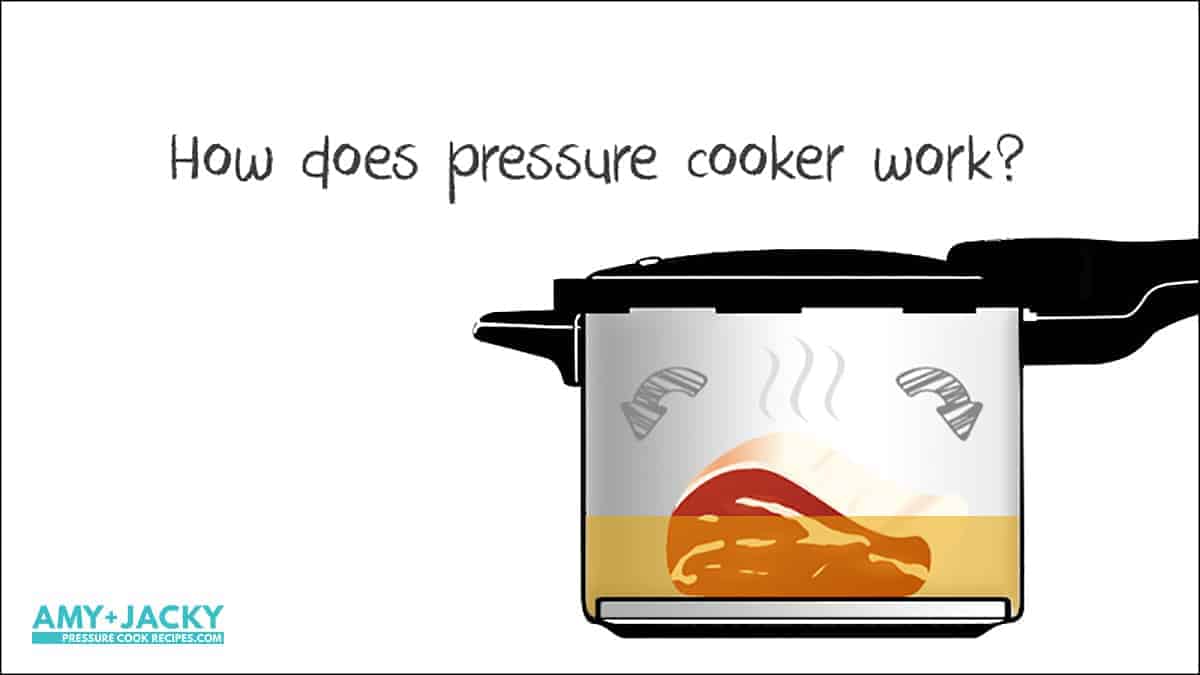
A pressure cooker speeds up cooking by using steam and high pressure. That pressure raises the boiling point of water and cooks food much faster than stovetop or oven methods.
Benefits include time savings, energy efficiency, and better flavor extraction in broths and stews. Pressure cooking also locks in nutrients and reduces the need for added fats.
I often use a pressure cooker on weeknights to make beans and stews in under an hour. That reliable speed keeps dinner stress low and flavors high.

How pressure cookers work
A sealed pot traps steam. As liquid boils, steam raises pressure inside the pot. Higher pressure means higher temperature and faster cooking.
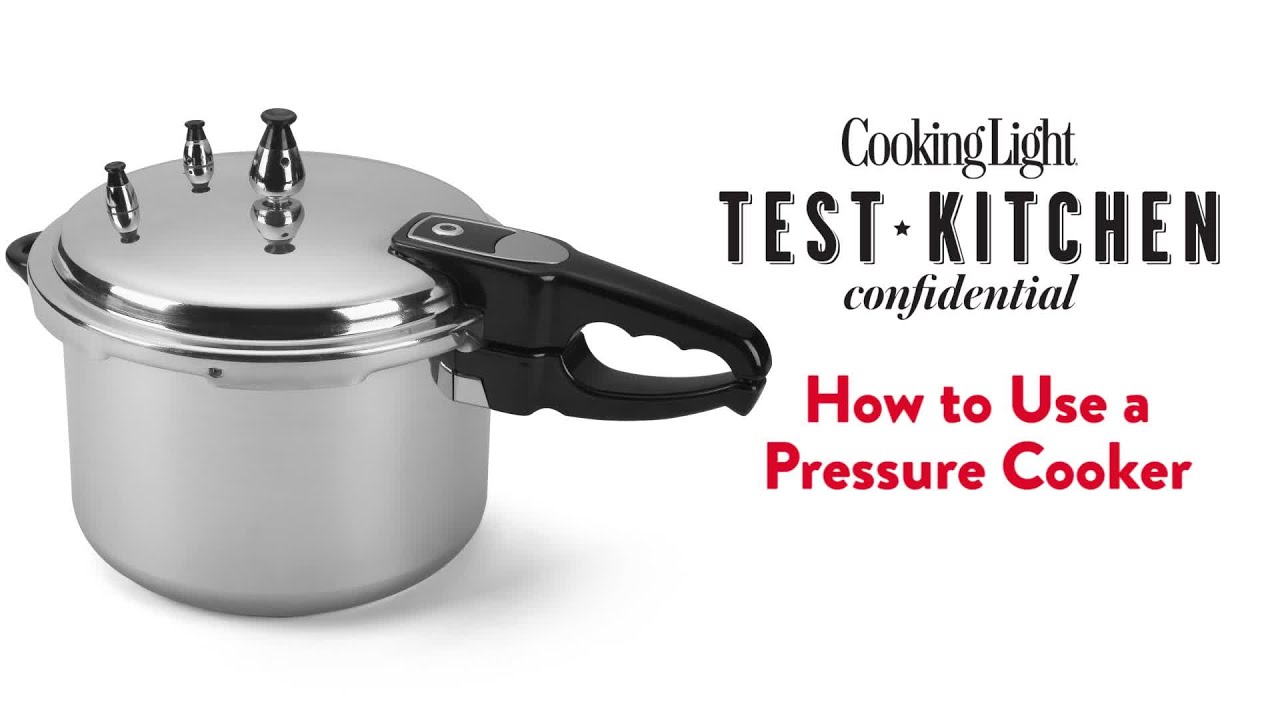
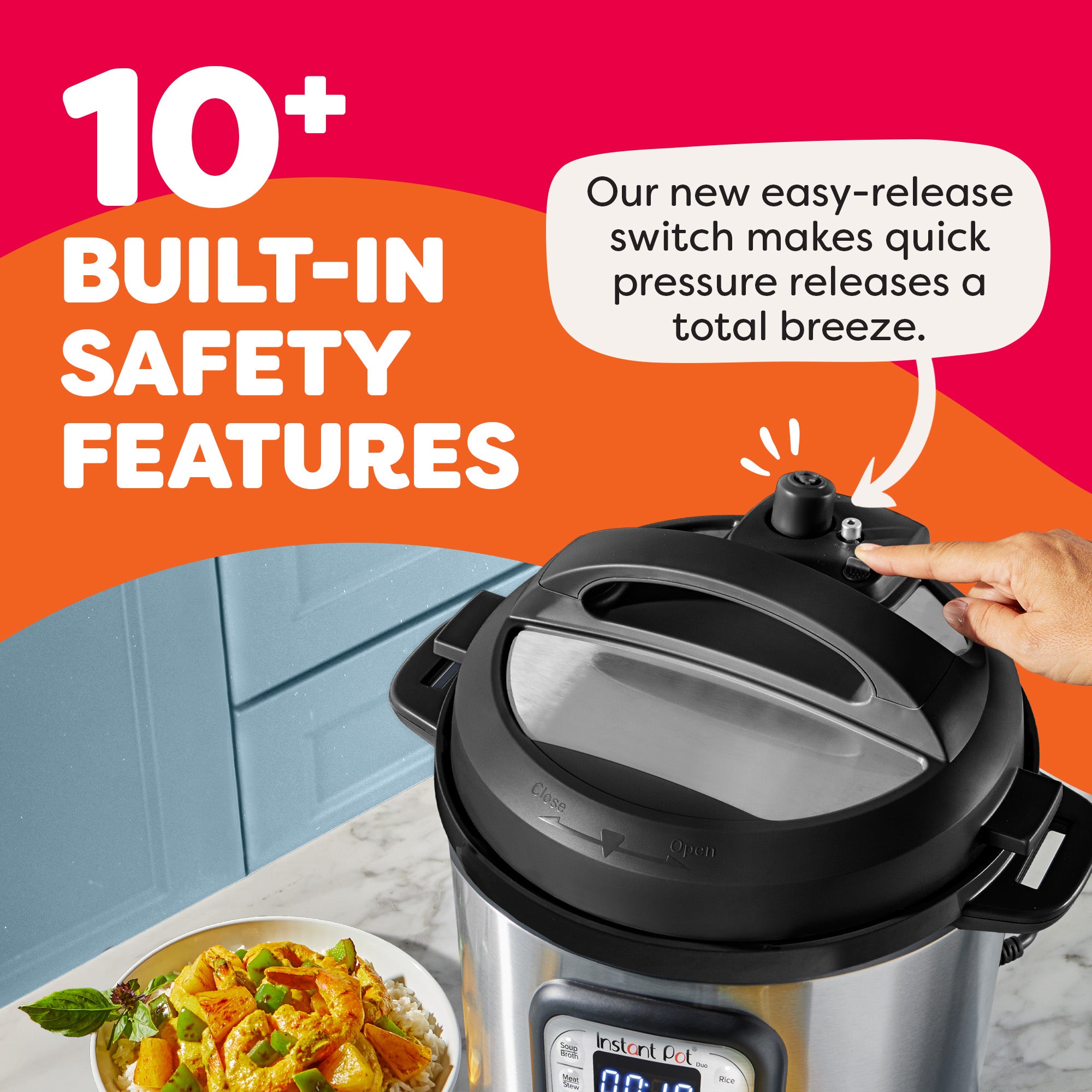
Modern units use a gasket, lid lock, and pressure valve to hold and release pressure. Electric models add timers and sensors for hands-off control.
How long something cooks depends on pressure level, cut of food, and size of pieces. Learn to judge doneness by time and a quick visual check after release.
How long does a pressure cooker take to reach pressure?
Most stovetop models take 5–10 minutes to reach pressure; electric models can take 10–20 minutes. Cold ingredients and large volumes increase the time.
Can I overcook in a pressure cooker?
Yes. Because the heat is intense, small foods and thin cuts can become mushy if left too long. Follow timings and use quick release when appropriate.
Types of pressure cookers and which to choose
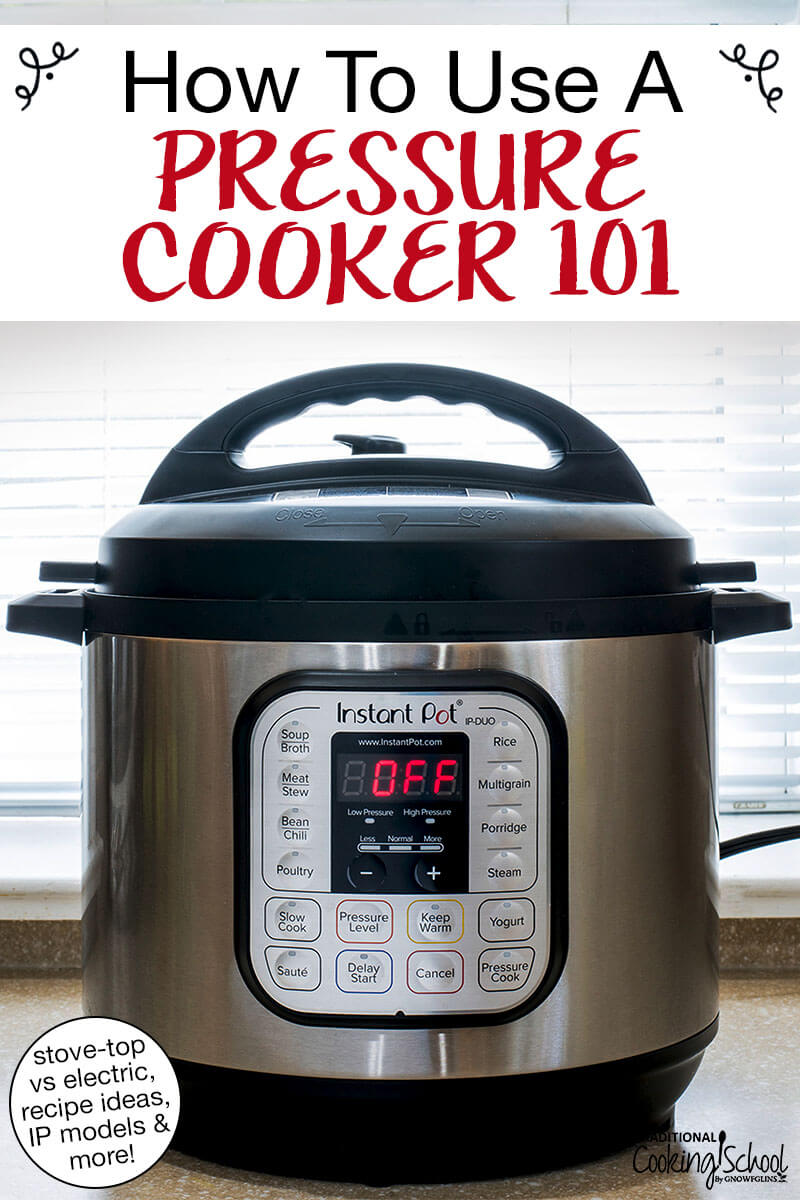
There are two main types: stovetop and electric. Stovetop models reach higher pressures and cook faster. Electric models are safer for beginners and include preset programs.
Consider these factors:
- Capacity needs for family size
- Ease of cleaning, such as removable sealing rings
- Safety features like locking lids and overpressure valves
- Price and brand reliability
From my tests, an electric pressure cooker is friendlier for new users, while a stovetop model gives more control for experienced cooks.

Safety essentials before you start
Pressure cooking is safe when you follow basic rules. Always inspect the gasket and vent for debris before use.
Never force open a sealed lid. Wait for full pressure release, or use the manufacturer’s quick-release method. Keep hands and face away from steam vents during release.
Store the manual with the cooker and learn the specific parts and procedures for your model. My worst mistake was ignoring a small food block in the vent; it taught me to clean after every use.
Step-by-step: How to use a pressure cooker
Here’s a simple routine to follow every time you use a pressure cooker.
- Gather ingredients and measure liquids. Pressure cookers need adequate liquid to create steam; most recipes call for at least 1 cup.
- Inspect the cooker. Check the sealing ring, pressure valve, and lid lock for damage or food buildup.
- Add food and liquid. Place denser items at the bottom and delicate items on top. Do not overfill; follow the max fill lines.
- Close and lock the lid. Make sure the lid clicks and the seal is flush.
- Set heat or select program. For stovetop, bring to high heat to reach pressure, then reduce to maintain. For electric, choose the program and timer.
- Time the cook. Start timing once full pressure is reached.
- Release pressure safely. Use natural release for meats and legumes to preserve texture. Use quick release for vegetables or when the recipe calls for it.
- Open the lid away from you. Tilt it so steam heads away from your face.
I follow this checklist like a recipe. It saves time and prevents messy accidents.

Common cooking times and examples
These are typical cook times at high pressure. Adjust for altitude and appliance.
- Rice (white): 3–6 minutes
- Rice (brown): 20–22 minutes
- Dried beans (soaked): 8–12 minutes
- Dried beans (unsoaked): 25–35 minutes
- Chicken pieces: 6–12 minutes
- Potatoes (cubed): 5–8 minutes
- Beef stew meat: 20–25 minutes
Always add a few extra minutes for large batches. I recommend testing with small portions until you know how your pressure cooker performs.

Tips for better results and troubleshooting
If food is undercooked:
- Check the pressure — you may not have reached or maintained it.
- Cut pieces smaller and add a few more minutes.
If food is overcooked:
- Use quick release on delicate items in future.
- Reduce time or lower pressure.
If the cooker won’t pressurize:
- Ensure the lid is sealed correctly and the gasket fits.
- Check that there’s enough liquid and that vents are clear.
If you smell burning:
- Turn off heat immediately. Check for stuck food on the bottom and add a splash of water before restarting.
From experience, slightly undercooking and then finishing with a short simmer after release often gives the best texture.
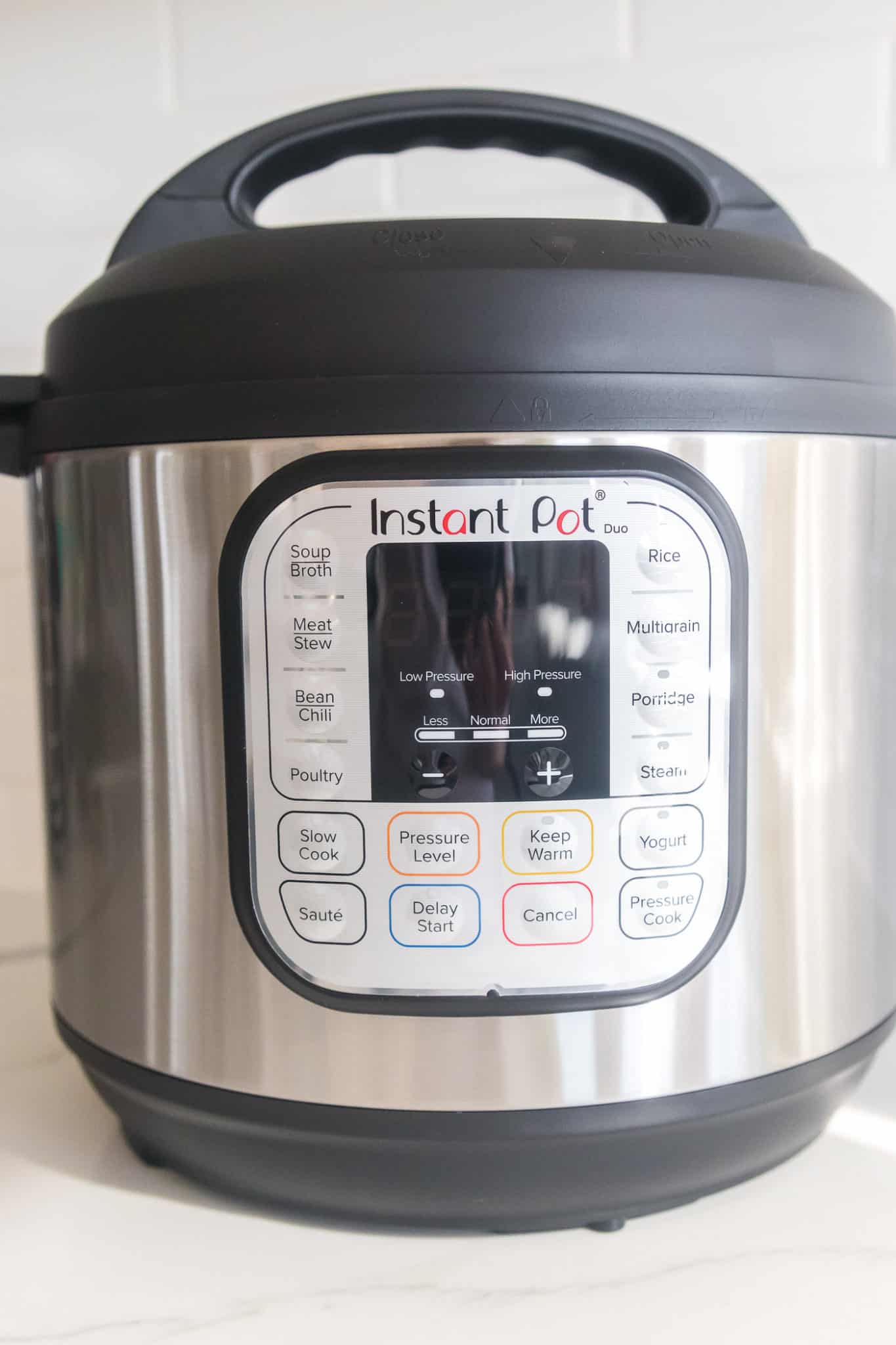
Cleaning and maintenance
Clean after every use to keep parts working well. Remove the gasket and wash it separately. Wipe the vent and valve to remove food particles.
Replace the sealing ring every 12–18 months or when it shows wear. Check the manual for recommended replacement parts.
I keep a small brush and a jar of white vinegar for occasional deep cleaning. It keeps steam paths clear and smells fresh.
Eco and health advantages
Pressure cooking uses less energy than oven or stovetop simmering. Faster cook times save fuel and time.
It can preserve vitamins in vegetables better than long boiling. The sealed environment reduces the need for added fats, which helps with healthier meals.
Use the cooker to batch-cook beans, grains, and broths for easy weekday meals.
Troubleshooting guide at a glance
Simple fixes for common problems:
- No pressure: Add liquid, check gasket, clean vent.
- Loud hissing: The pressure regulator may not be seated; clean and reseat.
- Food sticking: Deglaze after sautéing and use a little oil or broth.
- Lid won’t open: Confirm all pressure is released before forcing.
These steps fixed most of my kitchen hiccups in minutes.
Frequently Asked Questions of how to use a pressure cooker
How much liquid do I need in a pressure cooker?
Most recipes require at least 1 cup of liquid to create steam. Check your manual for minimum fill levels for that model.
Can I cook frozen food in a pressure cooker?
Yes, you can cook frozen meat or vegetables, but add a few extra minutes to the cooking time. Avoid overfilling and check internal temperature for safety.
Is pressure cooking healthier than other methods?
Pressure cooking retains vitamins and minerals better than long boiling and uses less oil. It is a quick, efficient way to cook nutritious meals.
How do I know when the pressure is safe to release?
Follow the manufacturer’s natural release or quick-release guidance. Many cookers have a pressure indicator pin; wait until it drops before opening.
Can I brown meat in a pressure cooker?
Yes. Many electric and stovetop models have a sauté or browning step. Brown meat first for better flavor, then add liquid before sealing.
Conclusion
Mastering how to use a pressure cooker gives you fast, flavorful meals with less effort. Follow safety checks, use correct liquid, and learn timing for different foods to get consistent results. Start with simple recipes, test your cooker with small batches, and build confidence from there. Try one new pressure-cooker recipe this week, share your results, and consider subscribing or leaving a comment to keep learning.