
If a pressure cooker runs out of water, it overheats, scorches, and can warp or fail.
I’ve tested pressure cookers for years and seen what happens if the pressure cooker runs out of water. This guide explains the science, the hazards, and the safe fixes. Read on to learn clear steps you can use right away to avoid damage and danger.

How pressure cookers work
A pressure cooker traps steam to raise pressure. Higher pressure raises the boiling point of water. Food cooks faster because heat transfers more efficiently in steam. The pot needs a steady liquid source to make steam and keep the metal cool.
Most models have a gasket, a pressure valve, and safety features. Stove-top cookers rely on the cook to control heat. Electric models have sensors and auto-shutoff features. Know your model and its minimum liquid rule before you cook.
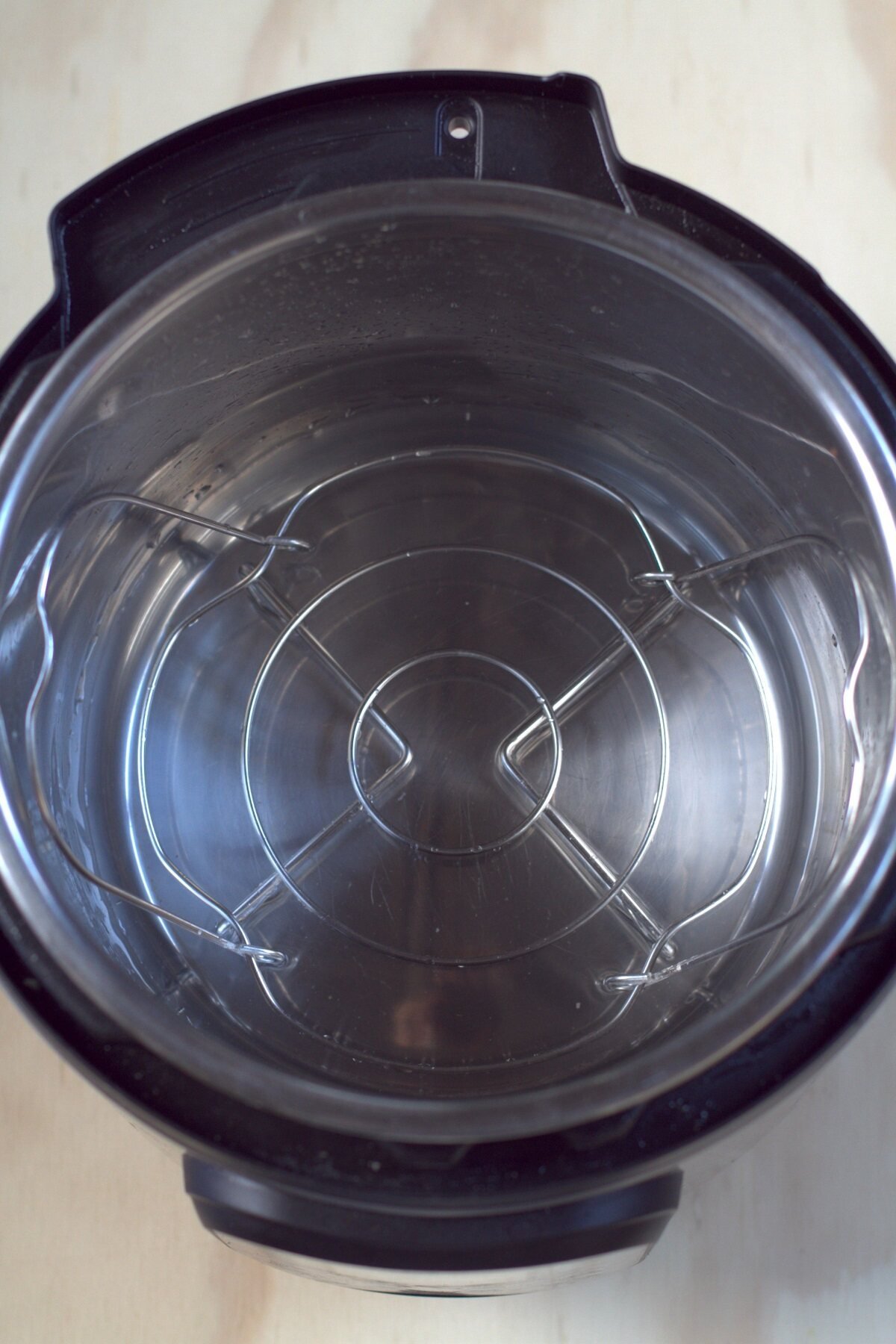
What happens if the pressure cooker runs out of water?
When water runs out, steam supply stops. The metal heats with no liquid to absorb heat. This causes the base and walls to overheat. Food at the bottom burns and forms a hard crust that is hard to remove.
Gaskets and seals can dry out and melt. Safety valves may clog with burned food. In some rare cases, a blocked vent combined with overheating can cause sudden pressure release or component failure. If you ever ask, What happens if the pressure cooker runs out of water, expect damage and a higher risk of burns.
Repeated exposure to dry heat shortens the cooker’s life. Electric units often shut off early when they sense no steam. Older stove-top cookers do not and are more at risk. If you wonder again, What happens if the pressure cooker runs out of water, remember: the result is damage, not efficient cooking.

Signs and immediate risks
Watch for these quick signs that a cooker ran dry:
- A sharp burnt smell or smoke coming from the cooker.
- Steam stops or the pressure indicator drops unexpectedly.
- Loud popping, sizzling, or a change in the cooker’s sound.
- Discolored or warped base after cooling.
Immediate risks include:
- Scorched food and hard-to-clean residue.
- Melted or warped gasket and lid parts.
- Steam burns when opening or from sudden venting.
- Rare structural failure if components overheat and break.
If you detect any of the signs above, stop cooking. Turn off the heat and follow emergency steps below. Remember the core question: What happens if the pressure cooker runs out of water? These are the common signs and risks you will face.
PAA-style quick questions
- Will the cooker explode if it runs out of water? Not usually. Explosions are rare and often require a blocked vent or a damaged safety mechanism. The bigger risk is burns from hot surfaces or sudden steam release.
- Can the gasket be ruined by dry boiling? Yes. Gaskets can warp, shrink, or crack from overheating and will need replacement.
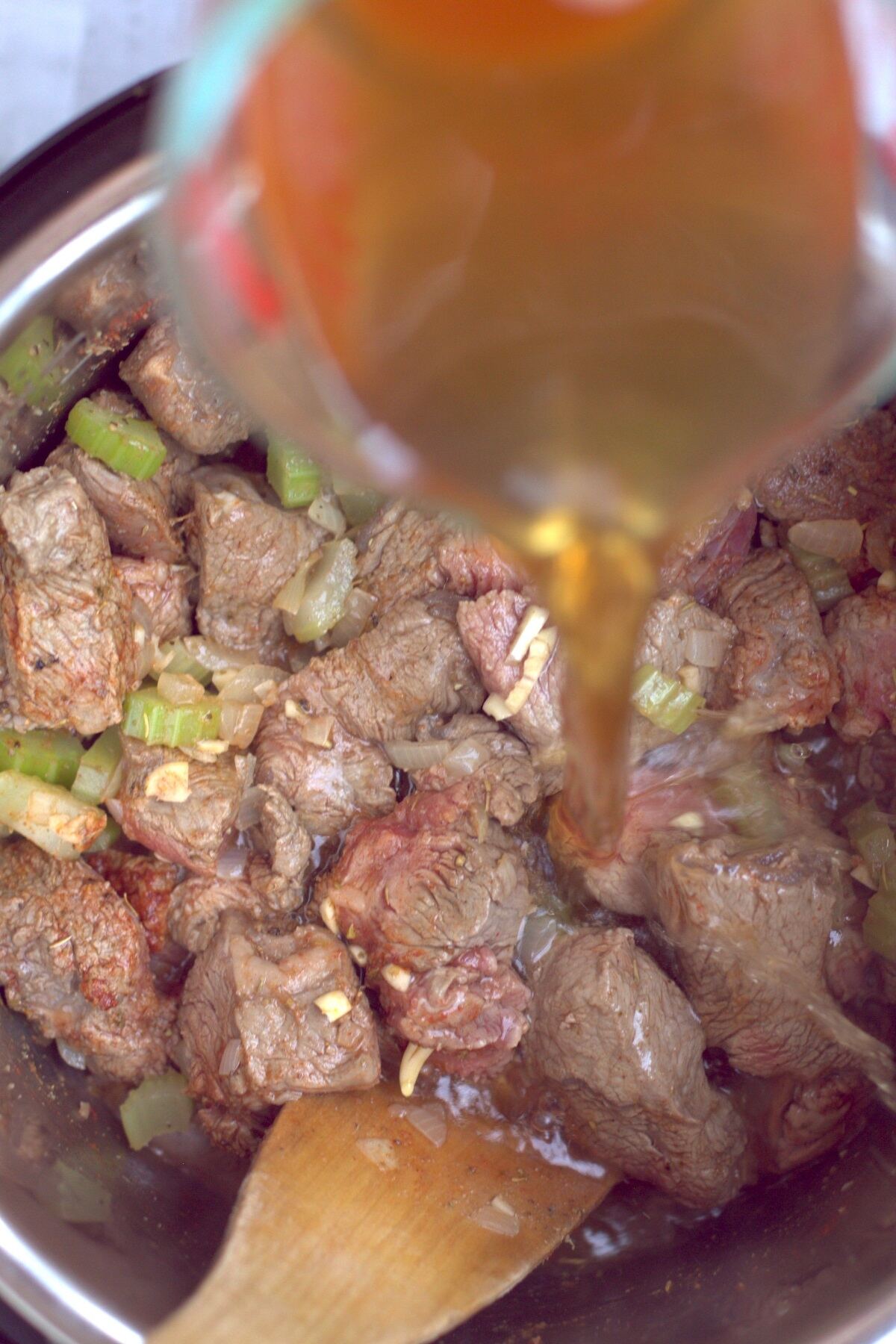
Common causes for running out of water
Many everyday mistakes can lead to dry boiling:
- Using less liquid than the manual’s minimum. Always check the manual.
- Long cooking times with water already low in the pot.
- High heat that evaporates liquid faster than expected.
- Overfilling with solid food and not enough liquid to start with.
- Blocked vents or seals that prevent steam circulation, causing uneven heating.
If you ask again, What happens if the pressure cooker runs out of water, remember that many causes are avoidable with simple checks before cooking.
How to respond safely if it runs out of water
If you suspect the cooker ran out of water, do the following:
- Turn off the heat immediately. Let the pot sit and cool. Do not try to open the lid while hot.
- Allow pressure to release naturally or use the manufacturer’s recommended method. Avoid forcing the lid.
- Only open the lid when the pressure indicator reads safe and steam has stopped. Use mitts and stand back.
- Inspect the food and the cooker. If food is severely burned or the gasket smells melted, stop using the cooker until repaired.
- Clean stuck food by soaking the pot in hot water. Do not scrub or use metal tools on warped surfaces. Replace damaged gaskets and valves.
These steps answer the practical side of What happens if the pressure cooker runs out of water — follow them to reduce harm.
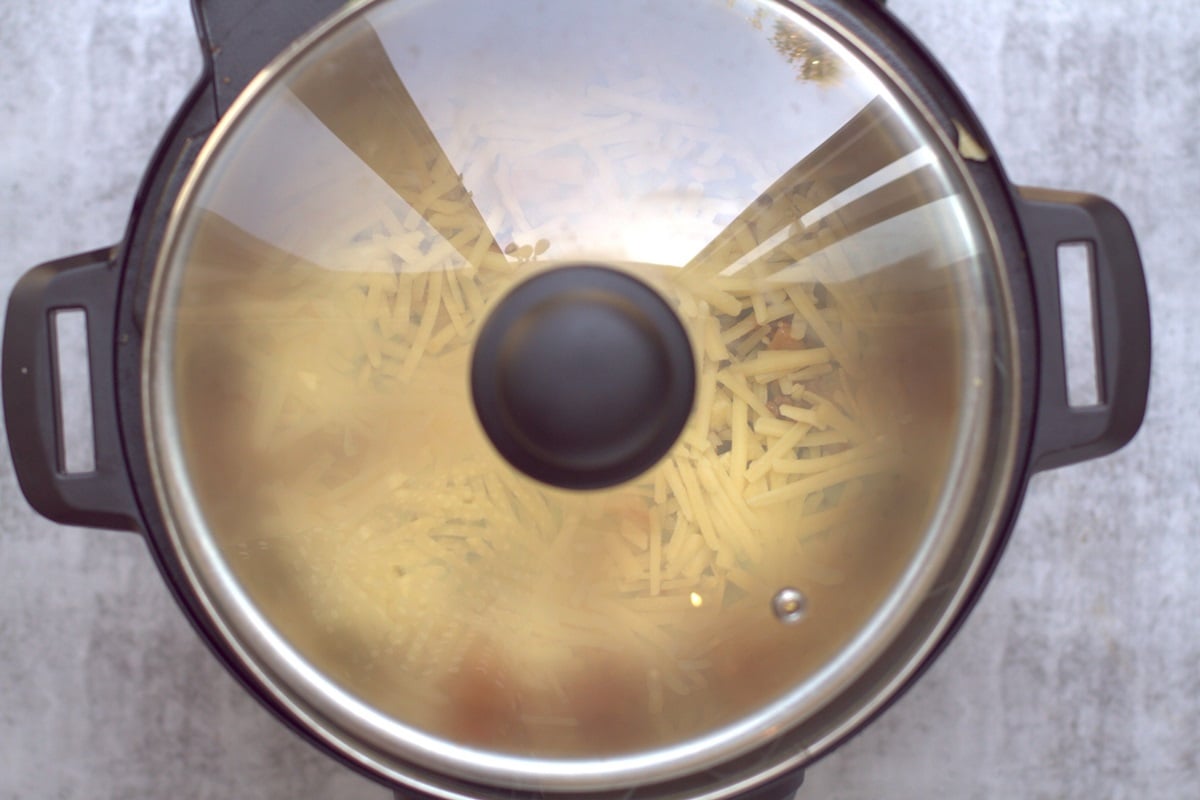
Preventive measures and maintenance
Simple checks prevent most problems:
- Always follow the manual’s minimum liquid requirement. Measure water before cooking.
- Use timers and reminders for long cooks. Check liquid level during long recipes.
- Maintain the gasket and valve. Clean the steam vent after each use.
- Replace gaskets annually or when they show wear. Test pressure release regularly.
- Use lower heat once the cooker reaches pressure, especially for stove-top units.
Smart habits stop the question What happens if the pressure cooker runs out of water from becoming a problem.

Personal experience and lessons learned
I once left a stew too long on the stove with low liquid. The smell changed fast. I turned off the heat right away and waited. The base had a hard black crust. I soaked it overnight and used a rubber spatula to lift charred bits. I replaced the gasket because it lost elasticity.
Lesson learned:
- Never ignore a new or strong burnt smell.
- Set alarms. Even experienced cooks make the mistake of running out of water.
- Small damage often leads to bigger problems later. Replace worn parts sooner.
If you wonder what happens if the pressure cooker runs out of water from my experience, it’s clear: damage is real but often fixable if you act quickly.
Frequently Asked Questions of What happens if the pressure cooker runs out of water
What immediate danger does running out of water cause?
The immediate danger is overheating. Overheating can burn food, melt gasket parts, and cause sudden steam release when the cooker is opened.
Can an electric pressure cooker detect low water and shut off?
Many modern electric models have sensors that detect low steam and will shut off or switch to warm mode. Not all models have this feature, so check your manual.
Is it safe to open the cooker if it ran dry?
No. Open only after pressure fully drops and steam stops. Wait for the cooker to cool to avoid steam burns.
Will running out of water ruin the gasket permanently?
It can. Heat can warp or harden the gasket. Replace it if it shows cracks, shrinking, or loss of elasticity.
How do I clean a cooker after dry burning?
Soak the pot in hot water to soften burnt food. Use a plastic or wooden tool to lift residue. For stubborn marks, use a gentle cleaner recommended by the maker.
Conclusion
Damage, burned food, and safety risks are the main answers to what happens if the pressure cooker runs out of water. The best defense is simple: follow minimum liquid rules, use timers, and maintain seals and vents. Act fast if you detect signs of dry boiling by turning off heat, waiting for cool down, and inspecting parts before reuse. Try these steps today: check your manual, set a reminder for long cooks, and inspect your gasket now. If this helped, leave a comment or share your own pressure-cooking fix.