
Stainless steel pans cook evenly and sear beautifully when preheated, oiled properly, and used with the right heat.
I’ve spent years cooking with stainless steel, testing sears, sauces, and eggs so you don’t have to. This guide explains exactly how to cook with stainless steel pans, step by step. You’ll learn heat control, oil choice, deglazing, cleaning, and real tips from my kitchen tests. Read on to master the pan and get better results every time.
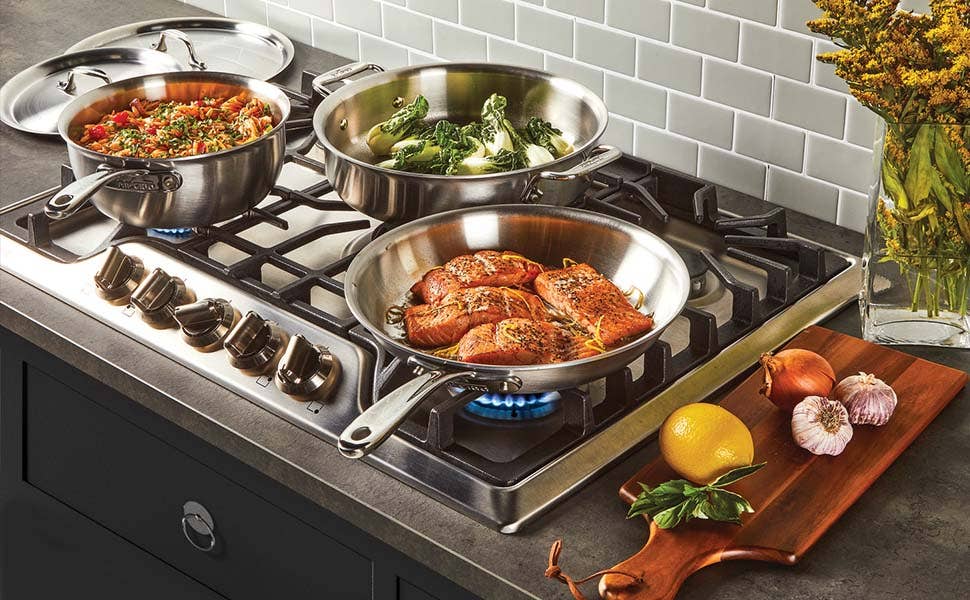
Why choose stainless steel pans?
Stainless steel pans are durable and nonreactive. They do not flare flavors or react with acids. That makes them ideal for searing, browning, and sauce work. Many pro chefs favor stainless steel for consistent heat and long life.
Benefits at a glance:
- Durable and scratch-resistant
- Nonreactive with tomato, wine, and vinegar
- Great for high-heat searing and oven use
- Easy to sanitize and maintain
Limitations to know:
- Not naturally nonstick, so sticking can happen
- Heat control matters more than with coated pans
- Hot spots on cheap pans are common
How this helps you: learning how to cook with stainless steel pans gives you an all-purpose tool. You can sear a steak, sauté vegetables, and deglaze for pan sauce all in one pan.

Essential tools and prep for cooking with stainless steel pans
Good tools make a big difference. Use a heavy-bottomed stainless steel pan with a flat base. A heavy pan holds heat better and reduces hot spots. Use a sturdy spatula or tongs and an oil with a suitable smoke point.
Prep checklist:
- Choose a pan with a thick base and even contact with the stove
- Use oils like canola, grapeseed, or refined avocado for high-heat work
- Have a splatter guard, tongs, and a wooden or metal spatula ready
- Keep paper towels or a clean cloth near the stove for quick oiling or drying
Pan care before cooking:
- Start with a clean, dry pan
- Warm empty pan for about 1–2 minutes over medium heat
- Add oil and swirl to coat the surface before adding food
These small steps make how to cook with stainless steel pans feel easy and predictable.

Step-by-step techniques: how to cook with stainless steel pans
This section covers the core moves. Short steps. Clear results.
Preheat properly
- Warm an empty pan on medium for 1–2 minutes.
- Test heat by sprinkling a few drops of water; they should form beads and dance (the “water bead test”).
- If the pan smokes right away, the heat is too high.
Add oil and heat it to shimmer
- Add 1–2 tablespoons of oil and let it heat until the surface glistens.
- Avoid adding cold oil to an unheated pan.
Searing and browning
- Pat protein dry. Salt just before cooking.
- Place meat or fish into the pan without crowding.
- Let it form a crust and release naturally. Flip once.
Sautéing vegetables
- Cut items into even pieces.
- Cook in batches if needed.
- Use moderate heat and stir or toss often.
Deglazing for sauce
- After browning, lower the heat and add a splash of liquid (wine, stock, or water).
- Scrape browned bits with a wooden spoon.
- Reduce and finish with butter or herbs.
Tips for eggs and delicate foods
- Lower the heat and add a little butter and oil.
- Use a lid for omelets or steamed eggs.
- Work gently; eggs can still stick but are manageable with oil and lower heat.
Quick troubleshooting (answers you can use fast)
How do I stop food from sticking? Preheat, use enough oil, and avoid crowding. Let food release naturally before flipping.
What if my pan smokes? Lower temperature, choose an oil with a higher smoke point, or remove the pan briefly from heat.
Can I use metal utensils? Yes. Stainless steel tolerates metal and helps scrape fond for sauces.
These steps show how to cook with stainless steel pans across many foods. Short tests in your kitchen will build confidence fast.

Common mistakes and troubleshooting from experience
I burned a pan once by using very high heat on a cold, oily surface. The oil smoked and the food stuck badly. I learned three key lessons that helped every time after.
Common mistakes to avoid:
- Skipping preheat. A cold pan causes sticking.
- Using too little oil. Insufficient oil encourages adhesion.
- Constant flipping. Let food develop a crust before turning.
How to rescue stuck food
- Add a splash of liquid and scrape while warm.
- For stubborn stuck-on bits, soak the pan in warm water and baking soda.
My real-life tip: when I learned to wait for a solid crust, my steaks released easily. That one habit transformed most cook sessions. Use patience. It works.

Cleaning and care for stainless steel pans
Good care keeps pans performing for years. Clean shortly after use but wait until the pan cools some. Avoid harsh scouring powders on polished finishes.
Daily cleaning steps:
- Soak in warm, soapy water for 10 minutes after use.
- Scrub with a soft sponge or a nylon brush.
- For stuck-on bits, simmer water and a bit of dish soap, then scrape.
Removing stains and discoloration:
- For heat tint, use a paste of baking soda and water and rub gently.
- For burnt food, simmer water with baking soda or vinegar to lift residue.
- Use a stainless steel cleaner sparingly for shine.
Do not:
- Use bleach or strong acids
- Store food in pan long-term
- Put very hot pans under cold water (it can warp cheaper pans)
Seasoning (optional)
- Some cooks lightly season stainless steel for less stick. Heat oil in the pan until it smokes, cool, and wipe. This creates a thin layer that can help but is not a true nonstick coating.
Proper care extends the life of the pan and helps you keep getting great results when you practice how to cook with stainless steel pans.

Recipes and practical examples using stainless steel pans
Simple recipes help lock in the technique. Try these to learn how to cook with stainless steel pans.
Seared chicken breast
- Pat two chicken breasts dry and season with salt and pepper.
- Preheat pan on medium. Add 1 tablespoon oil and heat until shimmering.
- Sear 5–6 minutes per side until golden and internal temp reaches 165°F.
- Rest 5 minutes before slicing.
Pan-seared salmon with pan sauce
- Dry and salt salmon. Heat pan and oil until hot.
- Sear skin-side first for 4–5 minutes, flip 1–2 minutes.
- Remove fish. Deglaze with 1/3 cup white wine or stock, reduce, and finish with butter and lemon.
Quick vegetable stir-fry
- Heat pan until hot. Add oil and aromatics (garlic, ginger).
- Add denser veggies first (carrot, broccoli), then softer ones (zucchini, peppers).
- Stir, toss, and finish with a splash of soy or tamari.
These examples show how to cook with stainless steel pans in real meals. They are simple and repeatable.

Frequently Asked Questions of how to cook with stainless steel pans
How do I prevent food from sticking to my stainless steel pan?
Preheat the pan and oil properly. Let food sear and release before flipping; avoid crowding the pan.
Can I use stainless steel pans for acidic foods?
Yes. Stainless steel is nonreactive and safe for tomatoes, wine, and vinegar without altering flavor.
Are stainless steel pans dishwasher safe?
Many are, but hand washing extends their life and prevents water spots and discoloration. Check the manufacturer’s care instructions.
How do I remove brown stains or rainbow discoloration?
Use a paste of baking soda and water or a dedicated stainless steel cleaner and rub gently to restore shine.
Do stainless steel pans need seasoning like cast iron?
No. They don’t need seasoning, but a light oiling can create a temporary slick surface to reduce sticking.
What oil is best for high-heat cooking in stainless steel pans?
Use oils with high smoke points like refined avocado, grapeseed, or canola for searing and high-heat work.
Final thoughts and next steps
You now have clear steps to master how to cook with stainless steel pans. Practice preheating, use proper oil, and learn to deglaze for great sauces. Start with simple recipes and build confidence one dish at a time.
Try one recipe this week. Watch how the pan rewards steady heat and patience. If you found these tips helpful, bookmark the guide, subscribe for more cooking tips, or leave a comment with your pan questions.