
A pressure cooker traps steam and raises pressure to cook food faster by raising water’s boiling point.
I’ve spent years testing and teaching people kitchen basics, and I can explain how does a pressure cooker work in plain terms. This guide breaks the science, parts, safety, and real tips into short, clear steps so you can cook faster and safer. Read on to learn exactly how does a pressure cooker work and how to use one with confidence.
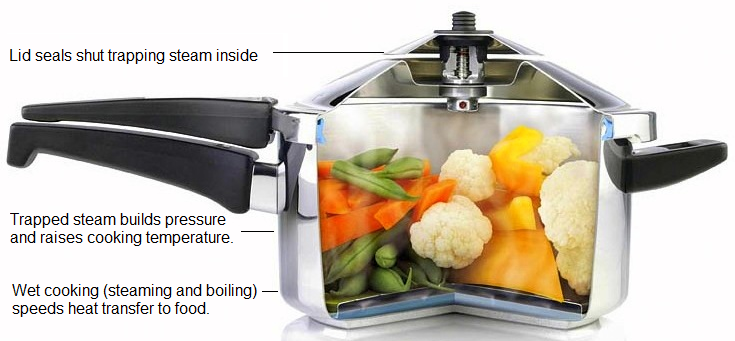
How a Pressure Cooker Works
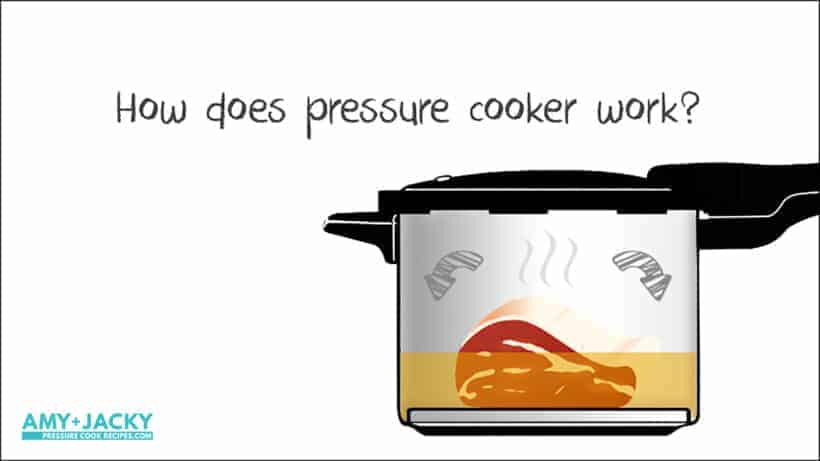
A pressure cooker is a sealed pot. Heat creates steam inside. Steam raises the pressure. Higher pressure raises water’s boiling point. Food cooks at a higher temperature. This speeds cooking by a lot.
Step-by-step process:
- Add liquid and food to the pot.
- Lock the lid and seal the rim.
- Heat the pot so water boils and makes steam.
- Steam fills the pot and raises pressure.
- The cooker holds a steady higher temperature.
- After cooking, release pressure safely before opening.
This simple cycle explains how does a pressure cooker work and why it cuts time. It traps steam and turns more heat into faster cooking.
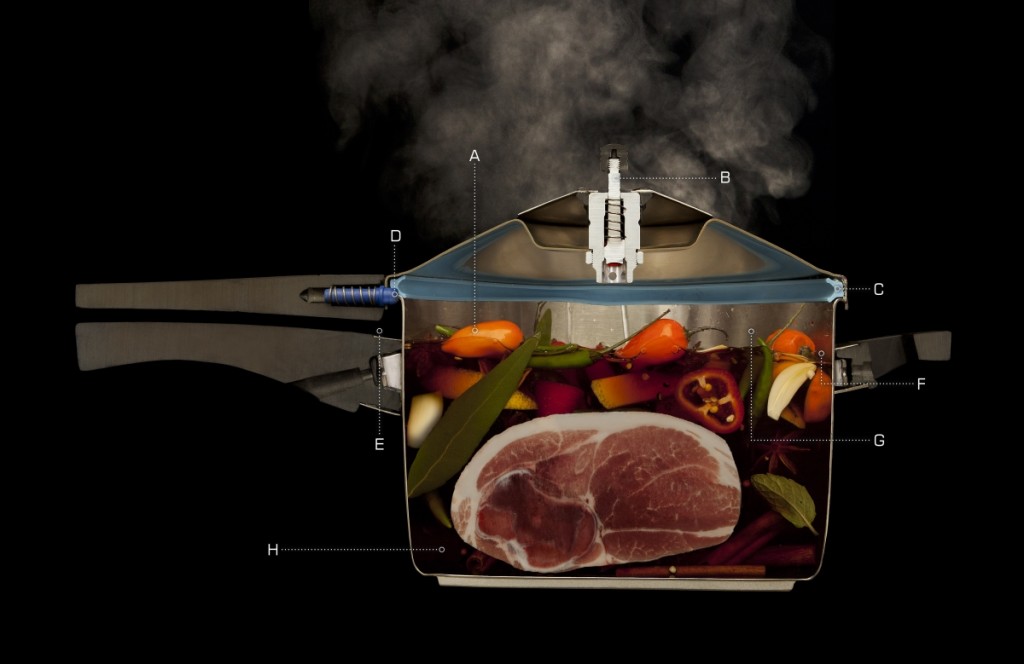
Key Components and Their Roles
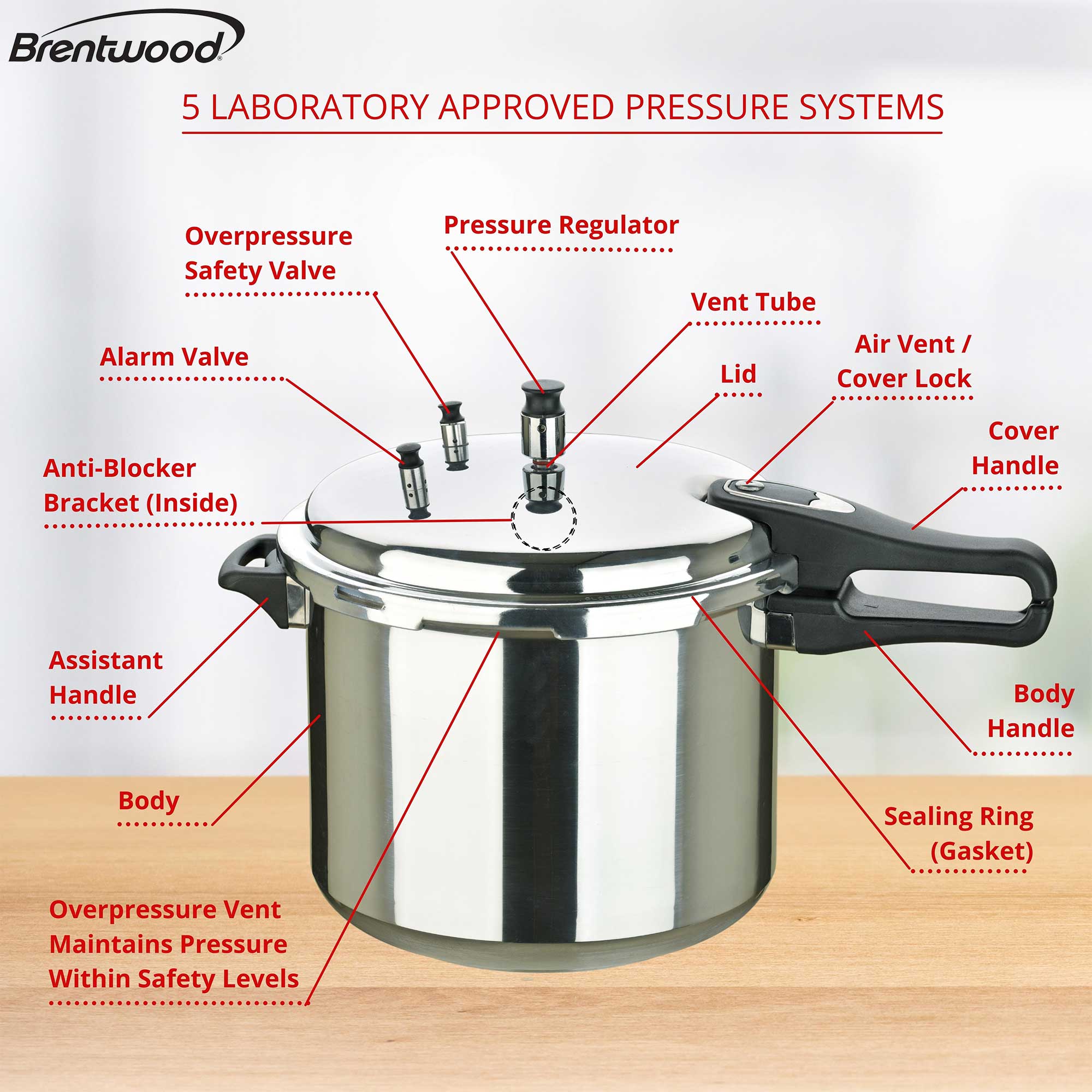
A pressure cooker uses a few parts to control pressure and heat. Knowing each part helps you understand how does a pressure cooker work in practice.
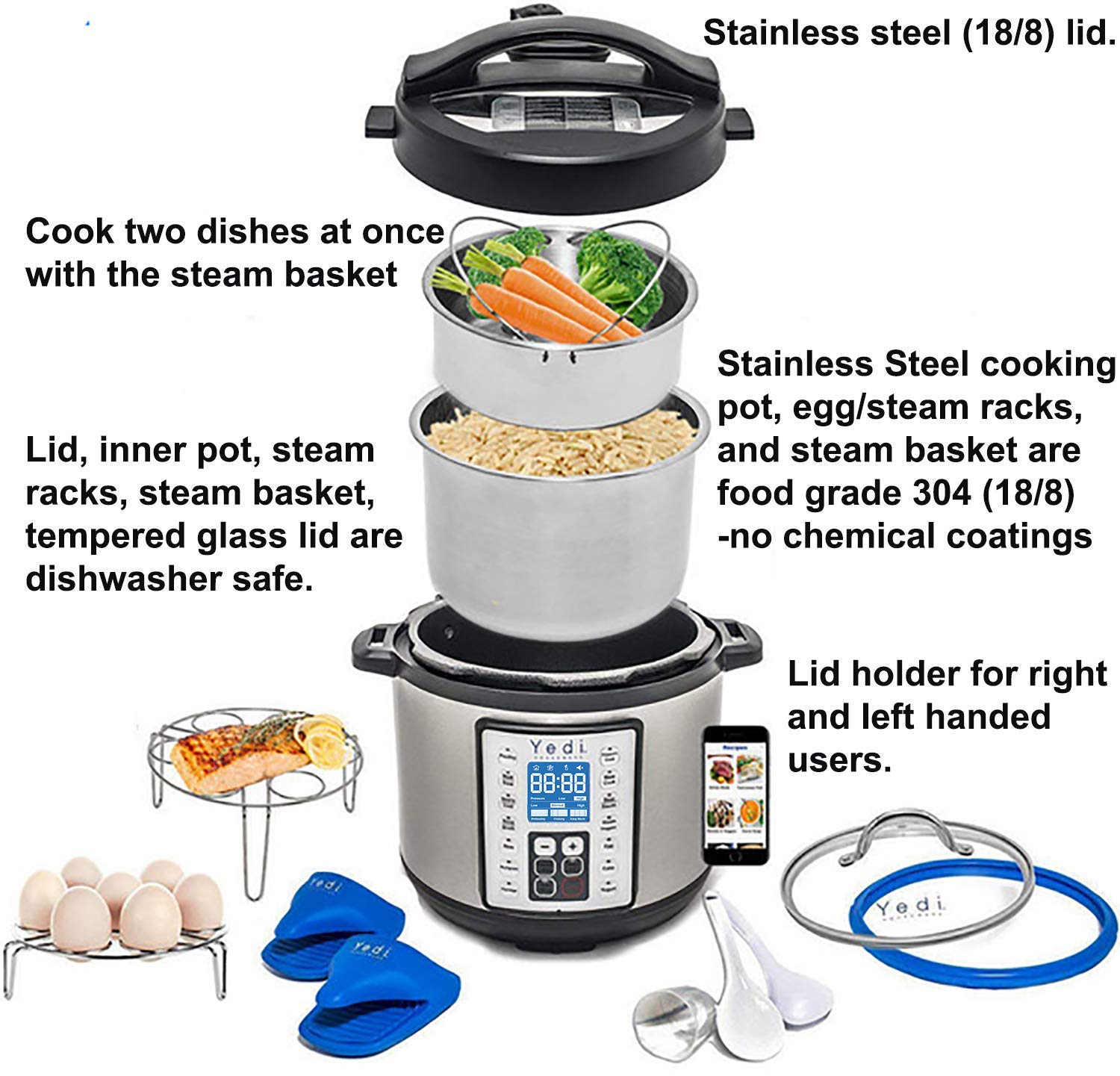
- Lid and sealing ring – The lid locks and the rubber ring makes a tight seal to hold steam.
- Pressure regulator or weight – This part keeps pressure steady by releasing excess steam.
- Safety valve – A backup that opens if pressure gets too high.
- Gasket or silicone ring – Keeps the cooker airtight and prevents leaks.
- Body or pot – Thick metal that holds heat well.
- Heat source – Gas, electric stove, or an internal electric element in electric models.
Each part works together. If one part fails, pressure will not build or safety may be compromised. That is why maintenance matters for how does a pressure cooker work.

The Science: Pressure, Steam, and Boiling Point
Boiling happens when liquid turns to vapor. At normal air pressure, water boils at 100°C (212°F). Raise pressure, and water boils at a higher temperature. Higher boiling point means hotter steam. Hotter steam cooks food faster.
Key facts:
- At about 15 psi above atmospheric pressure, water boils near 121°C (250°F).
- Food cooks faster because heat moves into food more quickly at higher temperatures.
- Pressure also forces liquid into foods. This speeds tenderizing of meat and softening of beans.
Understanding this science makes the answer to how does a pressure cooker work simple and logical. You get higher heat inside the sealed pot. You get faster, more even cooking.
Types of Pressure Cookers
There are two main types. Each one changes how does a pressure cooker work day to day.
- Stovetop pressure cookers
- Reach higher pressures and heat faster.
- Need more attention to control heat.
- Electric pressure cookers
- Have built-in controls and timers.
- Are safer for beginners and hands-off cooking.
Both use the same pressure and steam principle. Choose based on speed, control, and convenience.
Benefits of Using a Pressure Cooker
A pressure cooker gives many wins in the kitchen. Here is why people love them and why knowing how does a pressure cooker work pays off.
- Saves time – Meals finish much faster than with stovetop simmering.
- Saves energy – Shorter cooking time uses less energy.
- Retains nutrients – Shorter cooking helps keep vitamins and minerals.
- Tenderizes tough cuts – Connective tissue breaks down quickly under pressure.
- Deep flavors – Pressure locks steam and aromas inside the pot.
These benefits show why learning how does a pressure cooker work is useful for daily cooking.
Safety Tips and Common Mistakes
Pressure cookers are safe when used right. Follow these tips to avoid problems and to understand how does a pressure cooker work safely.
- Always read the manual for your model.
- Do not overfill – Never fill more than two-thirds full, or half for beans and grains.
- Use enough liquid so steam can form.
- Check and clean the gasket and valves before each use.
- Use natural or quick release methods as recipes require.
- Never force the lid open while cooker is under pressure.
Common mistakes show up when people rush. Fixing small habits clears confusion about how does a pressure cooker work and keeps you safe.
Maintenance and Cleaning
Keeping parts clean helps your cooker last. Good care also keeps how does a pressure cooker work reliable.
- Inspect gasket regularly and replace when cracked or sticky.
- Clean steam valves with a small brush to avoid clogs.
- Wash the lid and pot after each use to remove residue.
- Store the cooker with the lid off or upside down to avoid odors.
- Replace parts only from the maker or certified suppliers.
A well-kept cooker performs better and is safer. I learned this the hard way after a sticky gasket caused a steam leak. Replacing it fixed the problem.
:max_bytes(150000):strip_icc()/__opt__aboutcom__coeus__resources__content_migration__serious_eats__seriouseats.com__2019__03__pressure-cooker-bc49415b2cbd47a9b0f77cf0c105c9e2.jpg)
Personal Experience and Practical Tips
I have cooked thousands of meals with both stovetop and electric cookers. Here are practical tips I use every day to explain how does a pressure cooker work in real life.
- Start with small tests – Cook rice or a few beans first to learn timing.
- Use timers and a notebook to track times for favorite recipes.
- For tough meat, add a cup of liquid and set longer time. Let pressure release naturally.
- If a recipe smells off, stop and check the seal and liquid level.
- When in doubt, wait for full pressure release before opening.
One time I rushed and used a damaged gasket. The pressure rose slowly and my stew took much longer. That taught me to inspect parts before each use. These lessons show how does a pressure cooker work and how to avoid simple errors.
Frequently Asked Questions of how does a pressure cooker work
How long should I wait to open a pressure cooker after cooking?
Wait until the pressure indicator shows zero or until the manual says it is safe. Use either natural release or quick release as the recipe calls for.
Can I cook rice in a pressure cooker?
Yes. Rice cooks quickly and evenly in a pressure cooker. Use the right water ratio and follow timing for the rice type.
Is a pressure cooker safe for canning?
Some stovetop pressure cookers are not rated for safe canning at high altitudes or for low-acid foods. Use a pressure canner designed and rated for canning when preserving low-acid foods.
Will a pressure cooker save energy?
Yes. Because cooking times are much shorter, you use less gas or electricity. This makes pressure cooking energy efficient.
What happens if I overfill a pressure cooker?
Overfilling can block the steam valve and raise internal pressure dangerously. It can also cause food to spit out during release, creating a mess and safety risk.
Conclusion
A pressure cooker works by trapping steam and raising pressure to increase the boiling point and speed cooking. You get faster meals, better tenderizing, and energy savings when you use it correctly. Learn the parts, follow safety steps, and keep the cooker clean to get the best results. Try a simple recipe today, track your times, and leave a comment about your first success or question. Subscribe or check more guides to deepen your skills and cook with confidence.