
Cook most dried beans for 20–30 minutes at high pressure; adjust for type and soaking.
I’ve cooked beans in pressure cookers for years, and I know the small choices that change the outcome. This guide explains how long to cook beans in pressure cooker for common varieties, how soaking and altitude change time, step-by-step methods, and troubleshooting tips. Read on for practical times, clear steps, and real-life tips you can use tonight.
How pressure cookers cook beans and why they shave time
Pressure cookers raise steam pressure. Higher pressure raises boiling point. Water heats above 212°F. Beans cook faster and more evenly. Starch and fiber soften in less time. That saves energy and keeps beans intact. Pressure also helps flavors penetrate beans quickly.
My experience: I cut cooking time in half when I switched to a modern electric pressure cooker. Beans were tender and flavorful without constant checking. Learning the basics will help you trust the cooker and avoid mistakes.
Pressure cooking times by bean type (soaked vs unsoaked)
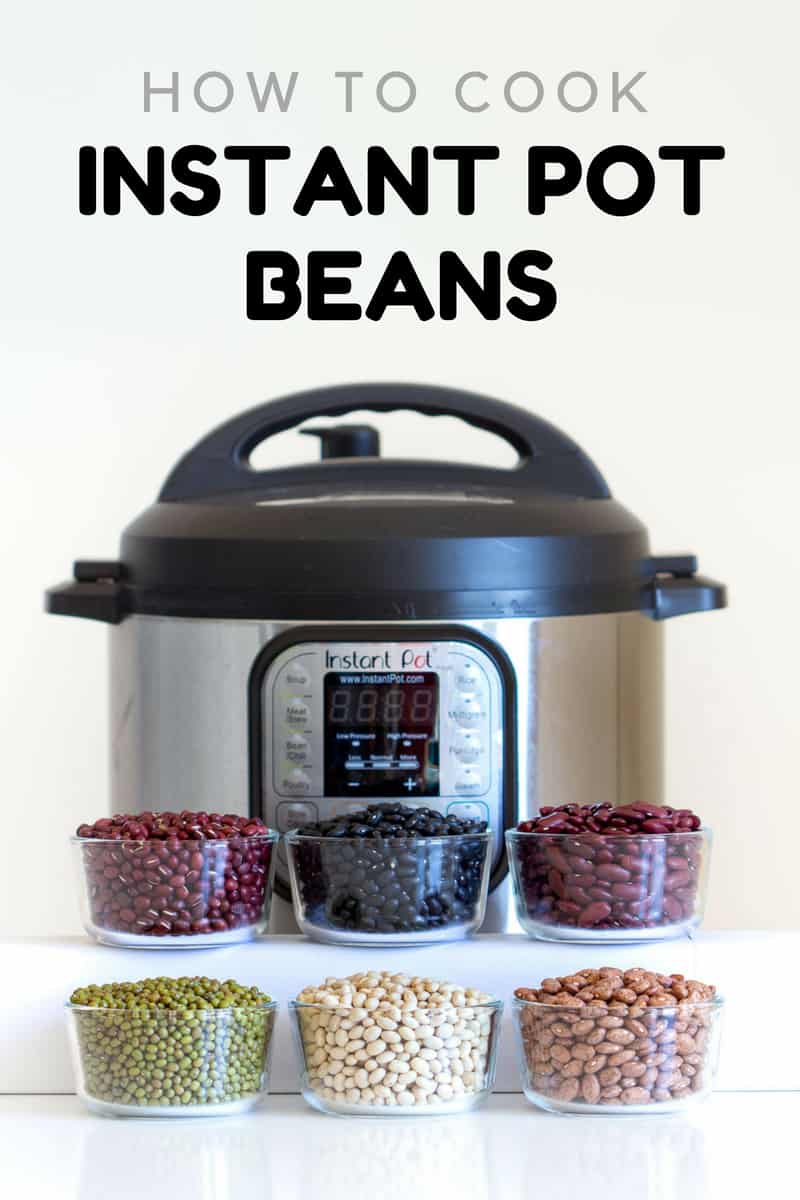
Below are reliable ranges for how long to cook beans in pressure cooker. Times assume high pressure (about 10–12 psi for stovetop, or the “High” setting on electric models). Adjust for altitude and bean age.
- Black beans
- Soaked: 6–8 minutes
- Unsoaked: 20–25 minutes
- Pinto beans
- Soaked: 6–8 minutes
- Unsoaked: 20–25 minutes
- Navy (white) beans
- Soaked: 5–7 minutes
- Unsoaked: 18–22 minutes
- Kidney beans (red)
- Soaked: 8–10 minutes
- Unsoaked: 25–30 minutes
- Chickpeas (garbanzo)
- Soaked: 20–25 minutes
- Unsoaked: 40–50 minutes
- Lentils (green/brown)
- Soaked: not needed; 6–10 minutes
- Unsoaked: 8–12 minutes
- Red lentils
- Soaked: n/a; 4–6 minutes
- Unsoaked: 5–7 minutes
- Great Northern
- Soaked: 6–9 minutes
- Unsoaked: 20–25 minutes
These times are guidelines for how long to cook beans in pressure cooker. Start in the middle of the range and test for tenderness.

Key factors that change cooking time
Many things affect how long to cook beans in pressure cooker. Keep these in mind.
- Soaking
- Soaked beans need less time. Overnight soak softens beans and shortens pressure time.
- Bean age and dryness
- Older beans take longer. Store beans in a cool, dry place.
- Altitude
- Higher altitude lowers boiling point; add 5–10% extra time per 2,000 feet.
- Pressure level
- Higher pressure cooks faster. Low-pressure settings need longer.
- Size and variety
- Large beans like chickpeas need more time than small beans like lentils.
- Water hardness and salt
- Hard water slows softening. Salt added early can slow beans; add salt near the end for firm texture or early for flavor if you prefer.
- Type of cooker
- Stovetop models usually reach slightly higher pressure than some electric cookers. Times may vary a few minutes.
From my tests, soaking is the single biggest time-saver. I usually soak chickpeas overnight to cut the time and get a creamier texture.

Quick PAA-style questions
These short questions match common search intent about how long to cook beans in pressure cooker.
- Will soaking always cut the time?
- Yes. Soaking speeds water absorption and shortens pressure time by roughly 50–60% for many beans.
- Can I cook different beans together?
- Only if they are the same size and age. Otherwise some beans will be overcooked or undercooked.
- How does altitude affect time?
- At higher altitudes, add about 5–10% more cooking time per 2,000 feet.

Step-by-step: cooking soaked beans in a pressure cooker
Follow these steps when you soaked beans overnight.
- Rinse beans
- Rinse well under cold water to remove dust and debris.
- Measure water
- Use 3 cups water per 1 cup dried beans for pressure cooking.
- Add aromatics
- Add bay leaf, garlic, onion, or herbs if desired.
- Seal and set
- Seal the cooker and set to high pressure for the time in the chart above.
- Natural release
- Let pressure drop naturally for 10–15 minutes for best texture.
- Check and season
- Open, test a bean for tenderness, and add salt or acid if needed.
This is my go-to method. Soaked beans cook quick and hold their shape well. If beans are slightly firm, you can reseal and add a few more minutes.

Step-by-step: cooking unsoaked beans in a pressure cooker
This is useful when you forgot to soak.
- Rinse beans
- Rinse beans to remove dust.
- Use extra water
- Use 4 cups water per 1 cup dried beans to allow for foaming and expansion.
- Set time
- Use the unsoaked time in the chart. Start on the shorter end.
- Quick release or natural?
- For most beans, allow a 10–15 minute natural release to finish cooking.
- Test and adjust
- If still firm, reseal and add 5–10 minutes.
Unsoaked beans take longer but still cook much faster than on the stove.

Troubleshooting common problems and fixes
Problems happen. Here’s how to fix them.
- Beans are undercooked
- Reseat cooker and add 5–10 more minutes. Use natural release.
- Beans are mushy
- Reduce time by 2–4 minutes next time. Use quick release once pressure is safe.
- Foaming and clogging
- Add 1 tsp oil to the pot to reduce foam. Avoid overfilling the cooker.
- Hard center in chickpeas
- Soak longer next time or add 10–15 minutes. Use softer water if possible.
- Bitter or slimy beans
- Rinse well and discard old beans. Avoid overcooking lentils.
From bad batches I learned to always test a few beans before serving. That small check saved many meals.

Flavor, seasoning, and safety tips
Good flavor matters. These tips help you cook safe, tasty beans.
- Add salt near the end for firmer beans. Add early for deeper flavor if you accept slightly softer beans.
- Add acidic foods (tomato, vinegar, lemon) after beans are tender. Acid slows softening.
- Use enough water. Beans swell a lot. Too little water can scorch and undercook.
- Avoid metal utensils on nonstick inner pots. Use wooden or silicone tools.
- Discard foamy water after first rinse if beans smell musty.
I like to add fresh herbs and a splash of vinegar after cooking. It brightens the flavor.

Personal tips, lessons learned, and mistakes to avoid
Here are short lessons from years of cooking beans in pressure cookers.
- Mistake: Skipping the natural release
- Lesson: Quick release can shock large beans and split skins. Let them rest when possible.
- Mistake: Overfilling
- Lesson: Never fill above the max line. Beans foam and can block valves.
- Tip: Label your beans
- Tip: Older beans are slower. Mark the purchase date on bags.
- Tip: Batch cook and freeze
- Tip: Cook a big batch and freeze portions for quick meals. It saves time and energy.
These small habits improved my results and cut waste.
Measurement, ratios, and canning notes
Basic ratios make cooking predictable.
- Dried beans to water
- Use 3 cups water per 1 cup soaked beans; 4 cups for unsoaked beans.
- Salt
- 1/2 to 1 teaspoon salt per cup of dried beans, adjusted after cooking.
- Canning safety
- Pressure cooking in a home cooker is not the same as pressure canning. Use a proper pressure canner for canning.
Follow safe canning guidelines if you plan to preserve beans.
Frequently Asked Questions of how long to cook beans in pressure cooker
How long should I cook soaked beans in an electric pressure cooker?
Soaked common beans usually need 6–10 minutes at high pressure. Let them natural release for 10–15 minutes before opening.
Can I cook mixed beans together in the pressure cooker?
You can if the beans are similar in size and age. If they vary, some will be too soft or too firm.
Does soaking always reduce cooking time?
Yes. Soaking typically cuts pressure cooking time by about half for many beans. It also improves digestibility for some people.
How does altitude change pressure cooker times?
At higher altitudes, add about 5–10% extra cooking time per 2,000 feet. Beans will take longer to soften.
Are pressure-cooked beans safe to eat without boiling?
Yes. Pressure cooking reaches temperatures high enough to kill pathogens, so cooked beans are safe when cooked to tenderness.
How much water should I use for unsoaked beans?
Use about 4 cups water per 1 cup dried beans to allow for expansion and foaming. Adjust for your recipe.
Will salt make beans firm or soft if added early?
Salt can slightly slow softening if added at the start, but it improves flavor. Add salt after cooking for firmer beans, or early for better seasoning.
Conclusion
Pressure cooking makes beans fast, tasty, and energy-efficient. Use the times above for a strong start, adjust for soaking, age, and altitude, and always taste-test before serving. Try batch cooking and freezing to save time. If you follow these steps, you’ll get consistent results and tasty meals faster.
Give it a try this week: cook a pot of beans using the times here and tweak one variable at a time. Share your results or questions below and subscribe for more simple, tested kitchen tips.