
Boneless thighs: 8–10 minutes; Bone-in thighs: 12–15 minutes on high pressure.
If you want fast, juicy chicken, knowing exactly how long to cook chicken thighs in pressure cooker makes a huge difference. I’ve cooked hundreds of batches in both electric and stovetop pressure cookers, and this guide explains timing, methods, safety, and flavor tips so your thighs turn out tender every time. Read on to master how long to cook chicken thighs in pressure cooker and avoid dry or underdone results.
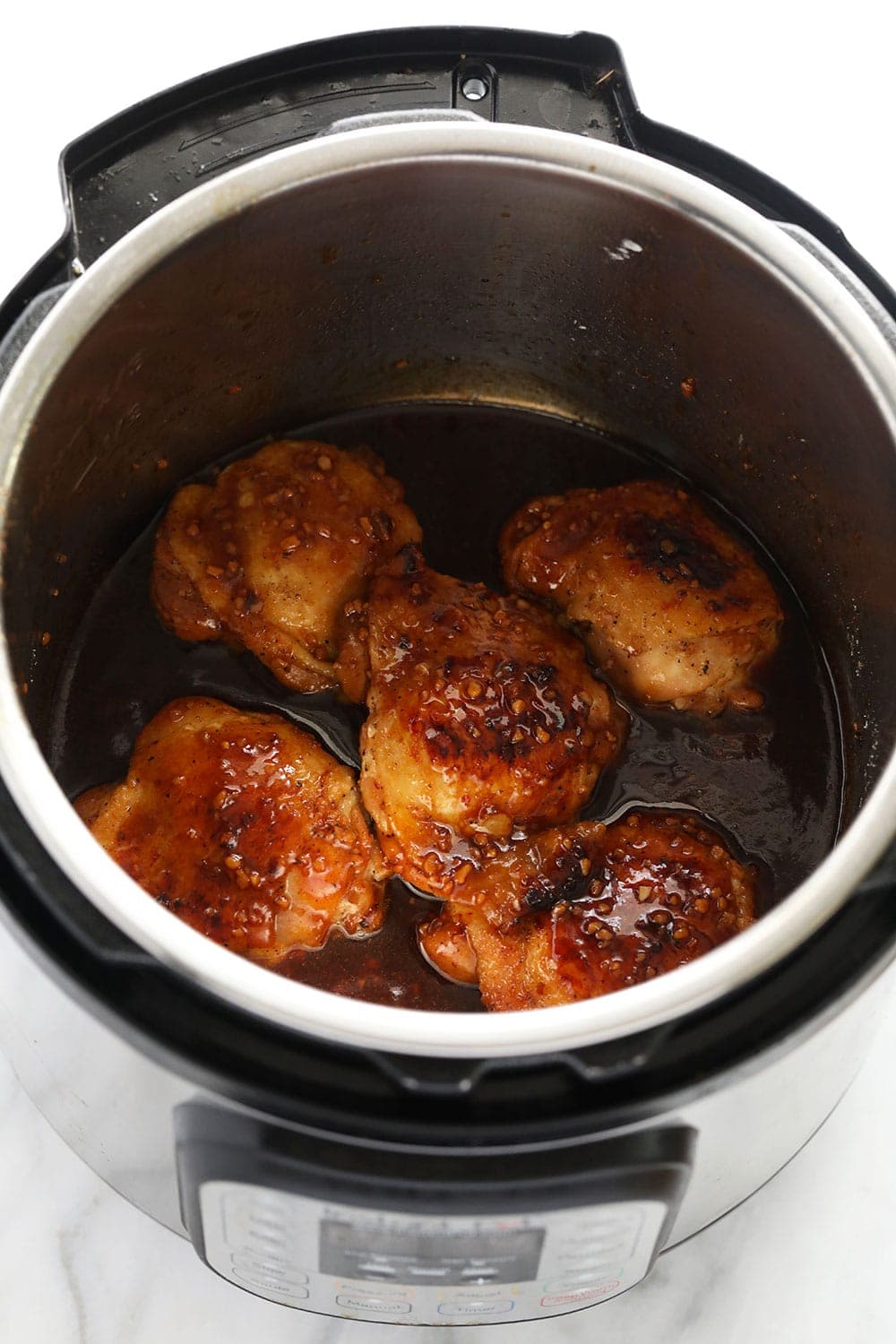
Pressure cooker basics for chicken thighs
Pressure cooking locks steam and heat to cook quickly. The appliance type matters. Electric multicookers like the Instant Pot build pressure more slowly than stovetop models. Stovetop pressure cookers often reach higher pressure and may shave a minute or two off cook times.
Key principles to remember:
- Pressure level affects time; most recipes use high pressure for chicken thighs.
- Size and whether thighs are bone-in or boneless change required minutes.
- Enough liquid is essential; most cookers need at least 1 cup of liquid.
From my experience, bone-in thighs benefit from a short natural release to stay juicy. These simple rules make deciding how long to cook chicken thighs in pressure cooker straightforward.

Timing guide: bone-in vs boneless, fresh vs frozen
Timing depends on thigh type and whether they are frozen. Use these reliable targets for high pressure in an electric pressure cooker. For stovetop models, reduce each time by 1–2 minutes.
Suggested times on high pressure:
- Boneless, skinless thighs: 8–10 minutes
- Bone-in, skin-on thighs: 12–15 minutes
- Large or very thick thighs: add 2 minutes to above times
- Frozen boneless thighs: 12–15 minutes
- Frozen bone-in thighs: 18–20 minutes
A natural pressure release helps tenderness. For bone-in thighs, allow 5–10 minutes of natural release before quick releasing the remaining pressure. These numbers answer the common question of how long to cook chicken thighs in pressure cooker across most home setups.
PAA-style questions:
- How long to cook frozen chicken thighs in pressure cooker? Typically 12–20 minutes depending on bone-in or boneless.
- Will pressure cooking overcook chicken thighs? Short, controlled times and a quick temp check prevent overcooking.

Liquid, layering, and seasoning for best results
Pressure cookers need steam to build pressure. Use broths, water, or sauces for flavor and function. One cup is usually the minimum, though some models ask for 1.5 cups.
Practical tips:
- Place liquid in the pot first to avoid burning. Add aromatics like garlic or onion for depth.
- Use a trivet if you want to steam rather than braise. That helps keep skin crisper if finished under a broiler.
- Layering: put vegetables on the bottom and thighs on top to avoid soggy veg when using short times.
Season lightly before cooking and finish with fresh herbs or a quick sear for texture. Practical seasoning and layering influence the final result as much as knowing how long to cook chicken thighs in pressure cooker.

Safety and checking doneness
Food safety is critical. The internal temperature must reach 165°F (74°C). Use an instant-read thermometer in the thickest part, avoiding the bone.
Safe-practice checklist:
- Check internal temp after the pressure release.
- If temperature is below 165°F, return to pressure for 1–2 more minutes.
- For frozen thighs, always verify temperature before serving.
I always test one piece before plating, especially when trying a new recipe. That small habit ensures you never guess how long to cook chicken thighs in pressure cooker.

Tips for best texture and flavor
Pressure cooking gives moist meat, but texture and flavor depend on finish steps and timing. Simple habits elevate the result.
Flavor and texture boosters:
- Sear thighs before pressure cooking to develop Maillard flavor. Searing adds only a few minutes.
- Finish under broiler or in a hot skillet to crisp skin after cooking.
- Allow a short natural release for juicier, less stringy meat.
- Don’t overcrowd the pot; cook in batches if needed for even heat.
I once rushed and stacked thighs tightly; the result was uneven doneness. Now I space pieces out and follow the recommended times for how long to cook chicken thighs in pressure cooker.

Common mistakes and troubleshooting
Many issues stem from timing, liquid, or release method rather than the pressure cooker itself. Recognizing the mistakes helps you fix them fast.
Common pitfalls and fixes:
- Too little liquid — Add at least 1 cup and ensure liquid contacts the pot bottom.
- Undercooking — Check internal temp and add 1–2 minutes on high pressure.
- Overcooking — Reduce time by 1–2 minutes next round and use natural release less or not at all for boneless thighs.
- Crowding — Cook in batches to maintain steady pressure and even cooking.
These fixes make it easier to dial in how long to cook chicken thighs in pressure cooker for repeatable, delicious results.

Personal experience and practical recipes
I use a simple method for weeknight dinners. Sear thighs 3 minutes per side in the pressure cooker on sauté, add 1 cup chicken broth and seasonings, seal and cook boneless thighs 9 minutes, bone-in 13 minutes, then natural release 5 minutes. Finish under broiler for 3 minutes for crisp skin.
A quick braise recipe I often use:
- Sear thighs with salt and pepper.
- Add 1 cup broth, 1 tablespoon tomato paste, garlic, and herbs.
- Cook on high pressure for recommended time.
- Natural release 5–8 minutes, remove lid, and broil to finish.
These routines reflect what worked best after many tests and align with safe temperature targets. Use them as starting points and adjust for your cooker and preference.

Frequently Asked Questions of how long to cook chicken thighs in pressure cooker
How long should I pressure cook boneless chicken thighs?
Boneless chicken thighs usually need 8–10 minutes on high pressure in an electric cooker, with a quick or short natural release. Check that the internal temperature reaches 165°F.
What is the time for bone-in chicken thighs?
Bone-in thighs typically take 12–15 minutes on high pressure with a 5–10 minute natural release for best tenderness. Always verify doneness with a thermometer.
Can I cook frozen chicken thighs in a pressure cooker?
Yes. Frozen boneless thighs usually take 12–15 minutes; frozen bone-in thighs take 18–20 minutes. Ensure the internal temperature reaches 165°F before serving.
Do I need to sear chicken thighs before pressure cooking?
Searing is optional but recommended for better flavor and texture. Sear 2–4 minutes per side to develop color, then pressure cook for the times suggested.
How much liquid is required in the pressure cooker?
Most pressure cookers need at least 1 cup of liquid to build pressure, but check your model’s manual. More liquid can help when making sauces or braises.
Should I use natural release or quick release?
For boneless thighs, a quick release or short natural release works well; for bone-in thighs, allow 5–10 minutes of natural release to keep meat tender. Adjust based on texture preference and recipe.
Conclusion
Now you know clear, safe timings and practical steps for how long to cook chicken thighs in pressure cooker. Use 8–10 minutes for boneless and 12–15 minutes for bone-in as your baseline, verify internal temperature, and finish for texture. Try the simple recipes and timing tips in your cooker this week, tweak for your palate, and share what works — I’d love to hear your results. Leave a comment or subscribe for more pressure-cooking tips and recipes.