
About 10–40 minutes at high pressure, varying by bean type and soaking.
I’ve cooked hundreds of batches of beans in pressure cookers, and I’ll walk you through exactly how long to cook dry beans in pressure cooker machines, what changes the times, and how to get tender, flavorful beans every time. This guide covers precise cook times for common beans, soaking tips, water ratios, release methods, troubleshooting, and real-world tricks I use in my kitchen to save time and avoid mushy or chalky results. Read on to master how long to cook dry beans in pressure cooker and make beans a reliable weeknight staple.

Why pressure cooking dry beans is a great option
Pressure cooking cooks beans faster than stovetop or slow cooker methods. It locks in nutrients and flavor while using less energy. For busy cooks, knowing how long to cook dry beans in pressure cooker turns a pantry staple into a quick protein source.
Benefits of pressure cooking beans
- Fast cooking that saves time and fuel.
- Consistent results when you follow times and release methods.
- Less need for constant supervision than stovetop methods.
- Good for large batches for meal prep.
My experience
- I switched to a pressure cooker years ago to speed weeknight meals.
- Once I learned proper times and releases, I stopped guessing and rarely had undercooked beans.
- Small tweaks like added oil or not pre-seasoning fixed foaming and texture issues.
Factors that affect how long to cook dry beans in pressure cooker
Several things change bean cook time. Know these to adjust times and avoid surprises.
Key factors
- Bean type: Chickpeas and kidney beans need more time than lentils or black beans.
- Soaking: Soaked beans cook faster and more evenly.
- Age of beans: Older beans take longer and can remain firm.
- Pressure level: High pressure speeds cooking; low pressure needs more time.
- Altitude: High altitude increases required cooking time.
- Water ratio: Too little water can cause burning and uneven cooking.
- Acidity and salt: Adding tomatoes, vinegar, or a lot of salt early can slow softening.
PAA-style question: Do I need to soak beans before pressure cooking?
- Soaking is optional but helpful. Soaked beans cook faster and may have better texture, while unsoaked beans work fine with longer pressure times.
PAA-style question: Does salt make beans tough in a pressure cooker?
- Modern tests show salt does not toughen beans; you can salt early. If you prefer tradition, add salt after cooking for predictable texture.
How long to cook dry beans in pressure cooker (detailed times and tips)
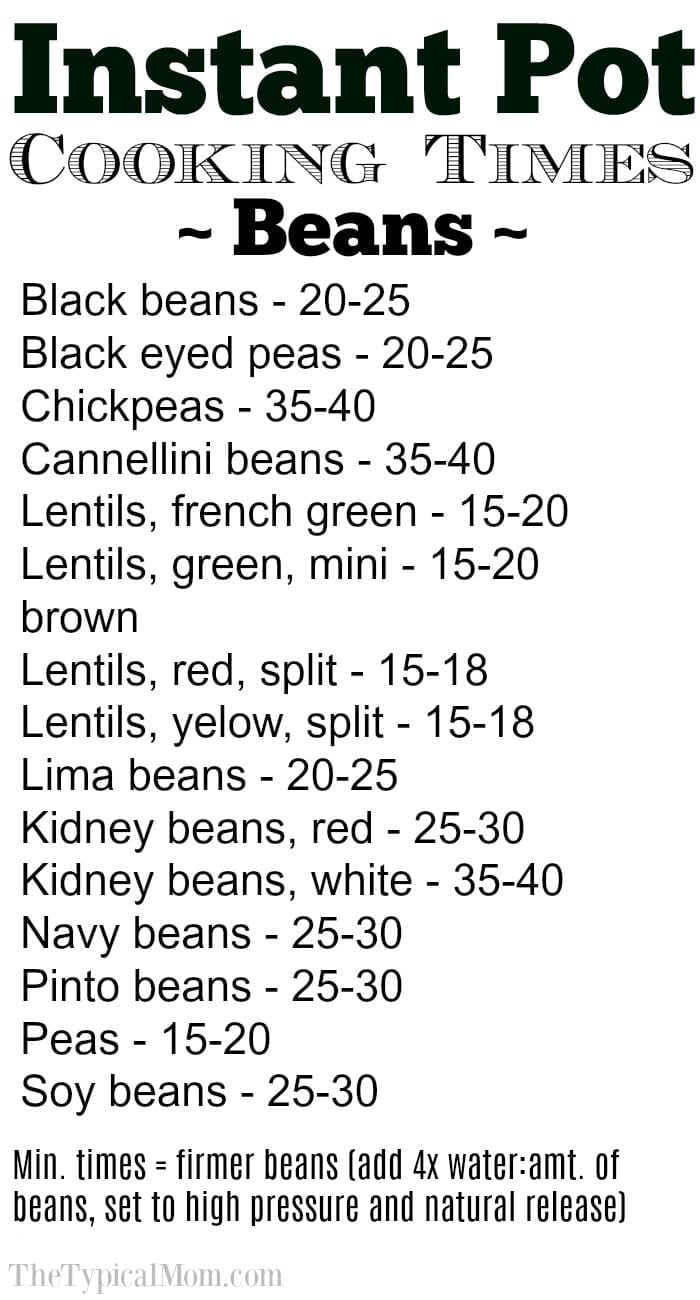
Below are general high-pressure times for common dry beans. Times assume a modern electric pressure cooker at high pressure and a natural release unless noted. Always use these as starting points and test a few beans for doneness.
General notes before timing
- Use 2 to 3 cups water per 1 cup dry beans. Use 3 cups for unsoaked beans and 2 cups for soaked beans.
- Never fill the cooker more than two-thirds full; for foamy beans, fill only halfway.
- Add 1 teaspoon oil per cup of beans to reduce foaming.
- Natural pressure release of 10–15 minutes helps beans finish gently and reduces splatter.
Common beans and cook times
- Black beans
- Soaked: 6–8 minutes
- Unsoaked: 25–30 minutes
- Pinto beans
- Soaked: 6–8 minutes
- Unsoaked: 25–30 minutes
- Kidney beans (red)
- Soaked: 8–10 minutes
- Unsoaked: 35–40 minutes
- Chickpeas (garbanzo)
- Soaked: 12–15 minutes
- Unsoaked: 35–40 minutes
- Navy beans
- Soaked: 5–7 minutes
- Unsoaked: 20–25 minutes
- Great Northern beans
- Soaked: 6–8 minutes
- Unsoaked: 25–30 minutes
- Cannellini (white kidney)
- Soaked: 6–8 minutes
- Unsoaked: 25–30 minutes
- Butter beans (lima)
- Soaked: 8–10 minutes
- Unsoaked: 20–25 minutes
- Green or brown lentils
- Unsoaked: 6–8 minutes (they cook fast)
- Red/orange lentils
- Unsoaked: 3–5 minutes (often mush quickly, good for soups)
Tips for testing doneness
- Release pressure naturally for at least 10 minutes, then test a few beans.
- If slightly firm, reseal and cook an extra 3–8 minutes.
- Older beans may need more time than the ranges above.
Preparation steps and soaking methods
Good prep makes timing consistent. These simple steps will improve texture and speed.
Soaking methods
- Quick soak: Bring beans to a boil with plenty of water, boil 2 minutes, turn off heat, cover, and soak 1 hour. Drain and cook.
- Overnight soak: Cover beans with 3 inches of water and soak 6–12 hours. Drain and rinse.
- No soak: Rinse beans well and use longer pressure times and more water.
Preparation checklist
- Sort and rinse beans to remove debris.
- Use fresh beans from a sealed container for best results.
- If cooking a stew, delay acidic ingredients until beans are tender.
- Add a bay leaf, onion, or garlic for flavor while cooking.

Pressure cooker settings, water ratios, and release methods
Knowing the correct settings avoids mush or hard beans.
Water ratios and fill levels
- Soaked beans: 2 cups water per 1 cup beans.
- Unsoaked beans: 3 cups water per 1 cup beans.
- Max fill: No more than two-thirds full; for foamy beans, no more than half full.
Pressure and release
- Use high pressure for the times listed above.
- Natural release 10–15 minutes for most beans for even texture.
- Quick release risks splatter and can leave beans unevenly cooked; use only if recipe calls for it.
Safety tips
- Add a bit of oil to reduce foaming.
- Keep vent clear and don’t force open while pressurized.
- Follow your pressure cooker’s maximum liquid and fill guidelines.
Troubleshooting common problems
Even experienced cooks run into issues. Here’s how to fix them.
Undercooked beans
- Reseal and cook 5–10 more minutes at high pressure. Try natural release next time.
- Consider soaking longer or using fresher beans if undercooking persists.
Overcooked or mushy beans
- Reduce pressure time by 2–5 minutes next time.
- Use quick release if you want to stop cooking immediately (watch for splatter).
Foamy or starchy boil-over
- Add 1 teaspoon oil per cup beans and don’t overfill.
- Use natural release to reduce foaming.
Beans taste bland
- Salt during or after cooking. Add acidic ingredients like tomatoes or vinegar after beans are tender.
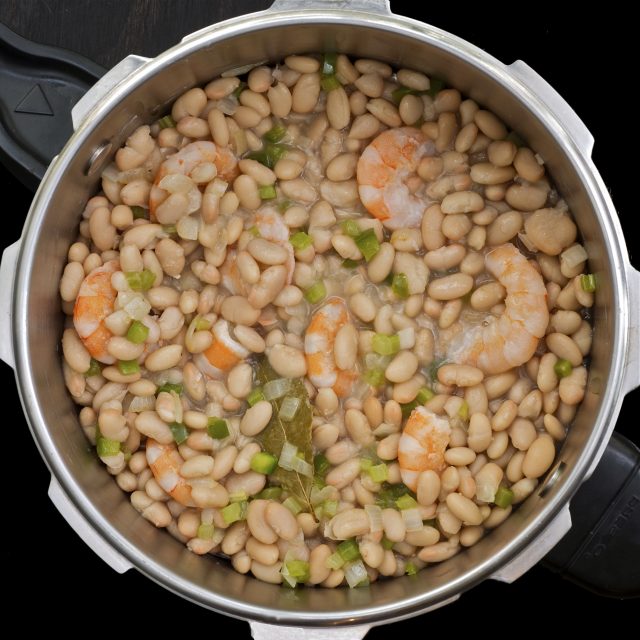
Recipes and serving ideas using pressure-cooked beans
Quick ways to use cooked beans for varied meals.
Simple uses
- Toss cooked black beans with rice, cilantro, and lime.
- Mash chickpeas with garlic and lemon for homemade hummus.
- Add cannellini beans to soups for body and protein.
Meal prep ideas
- Make a large batch, portion, and freeze in cubes of broth.
- Use beans in salads, tacos, chilis, and curries across the week.
Flavor tips
- Finish beans with a splash of lemon or vinegar to brighten flavor.
- Saute aromatics and spices after pressure cooking for fresher taste.

Frequently Asked Questions of how long to cook dry beans in pressure cooker
How long do unsoaked black beans take in a pressure cooker?
Unsoaked black beans need about 25–30 minutes at high pressure with a natural release for best texture. Use 3 cups water per cup of beans and test for doneness before serving.
Can I cook old dry beans in a pressure cooker?
Yes, but older beans often take longer and may never become as soft as fresh beans. Expect to add 10–20% more cooking time and consider pre-soaking overnight.
Do I need to add oil to prevent foaming in the pressure cooker?
Adding 1 teaspoon of oil per cup of beans helps reduce foaming and boil-over. Also avoid overfilling the cooker and use natural release when possible.
Is it safe to cook beans from dry without soaking in a pressure cooker?
Yes, pressure cookers are designed to handle unsoaked beans safely when you use enough water and proper pressure times. Unsoaked beans simply need longer cook time.
Should I add salt or tomatoes before pressure cooking beans?
Acidic ingredients like tomatoes can slow softening; add them after beans are tender. Salt can be added early; it usually does not make beans tough and often improves texture.
How much water per cup of dry beans for pressure cooking?
Use about 3 cups water per cup dry beans for unsoaked beans and about 2 cups water per cup for soaked beans. Adjust for your recipe and the cooker’s minimum liquid requirements.
How do I fix beans that are still hard after pressure cooking?
Rinse, add fresh water, reseal, and pressure cook for another 5–15 minutes depending on bean type. Natural release afterward often helps finish them evenly.
Conclusion
Pressure cooking dry beans is fast, reliable, and a smart way to get nutritious meals on the table. Use the timing ranges above, adjust for soaking and bean age, and favor natural releases for best texture. Try a small test batch to dial in times for your pressure cooker and local altitude. Start today: cook a batch, freeze portions, and enjoy quick meals all week — and if you found this helpful, leave a comment or subscribe for more practical kitchen tips.