
Preheat, oil correctly, and match heat to food — then let the pan do the work.
I’ve cooked on stainless steel pans for years and taught others how to cook on stainless steel pans without sticking. In this guide I share simple science, step-by-step routines, and real tests so you can stop fighting your skillet. You’ll learn why food sticks, how to prevent it with timing and temperature, which oils and pans work best, and quick fixes when things go wrong. Read on for practical tips you can use tonight to cook on stainless steel pans without sticking and get better sears, easy cleanups, and more confidence at the stove.
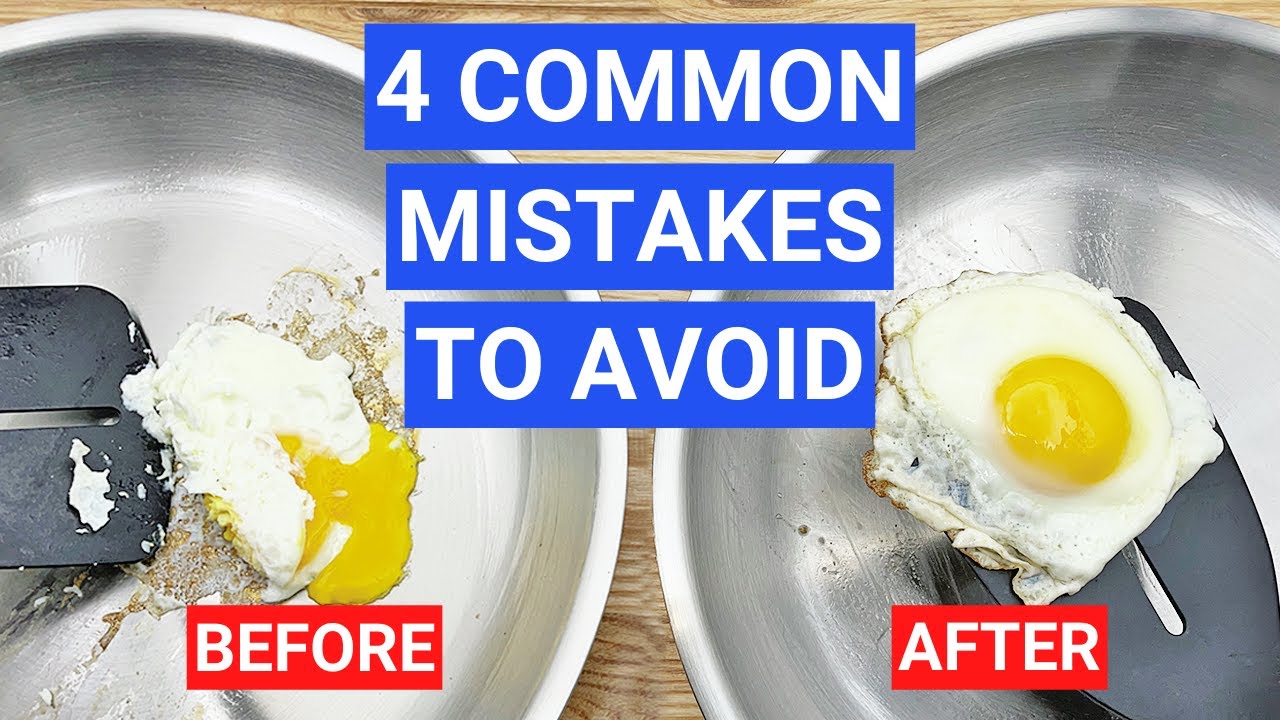
Why stainless steel pans stick (and why it’s solvable)
Stainless steel is durable, non-reactive, and great for browning. But it does not have a nonstick coating, so protein and sugars bond to the metal when conditions are wrong. This causes the frustrating tear-and-scrape experience many home cooks know well.
Key causes of sticking:
- Too-low or too-high heat that prevents proper sear.
- Adding food before the pan and oil reach the right temperature.
- Using low-smoke point fats that break down and stick.
- Cold food placed on a hot pan creating steam and uneven contact.
Understanding the physics helps. When a pan is hot enough, proteins form a brown crust that releases naturally. If the pan is too cool, proteins act like glue. Once you learn the small timing rules, sticking becomes rare. I found this after dozens of trial runs with eggs, fish, and chicken — the same simple routine worked across meals.
Essential gear, oils, and pan prep
Not every stainless steel pan performs the same. Thin pans heat quickly but have hot spots. Heavy-gauge tri-ply or clad pans hold even heat and make sticking less likely.
Must-have items:
- A heavy stainless steel skillet (10–12 inch for most cooks).
- A digital or infrared thermometer for quick pan checks.
- A flexible spatula and tongs for gentle handling.
- High-smoke-point oils like refined avocado, grapeseed, or clarified butter.
Pan prep steps:
- Start with a clean, dry pan. Old residue increases sticking.
- Preheat on medium until evenly warm. A drop of water should dance and sizzle.
- Add oil and let it shimmer but not smoke. This thin film prevents adhesion.
These choices and prep steps are central when you want to cook on stainless steel pans without sticking. In my kitchen, swapping cheap oil for clarified butter transformed my eggs overnight.

Step-by-step: how to cook on stainless steel pans without sticking
Follow these steps every time you cook to reduce sticking and get a great sear.
- Heat the pan
- Place the pan on medium heat for 2–4 minutes for a standard stove.
- Test by sprinkling one drop of water; if it beads and skates, it’s ready.
- Add the oil
- Pour a thin layer of high-smoke-point oil and tilt to coat.
- Heat until the oil shimmers but does not smoke.
- Dry and season food
- Pat proteins dry. Moisture creates steam and prevents good contact.
- Lightly season right before placing food in the pan.
- Place food and wait
- Lay food away from you to avoid splatter.
- Resist moving it for the first 60–90 seconds. A proper sear will release on its own.
- Flip or stir gently
- Use a thin spatula for eggs or fish. For meats, use tongs and flip once.
- If the food sticks when you try to turn it, give it more time; a proper crust is the release point.
- Finish and rest
- After cooking, let meat rest for a few minutes to retain juices.
- Deglaze the pan with wine or stock to incorporate fond into a sauce.
This routine is the backbone of how to cook on stainless steel pans without sticking. It’s repeatable and reliable. I use it for chicken breasts, salmon fillets, and even pancakes with good results.

Techniques for common foods
Here are concise tips for typical troublemakers.
Eggs
- Use medium heat and clarified butter or oil.
- Let the egg whites set before sliding a spatula under. Nonstick-like release happens once a crust forms.
Fish
- Dry and room-temperature fillets stick less.
- Use a hot pan and do not flip until the fish naturally lifts; that means the crust formed.
Chicken breasts
- Pound to even thickness for uniform cooking.
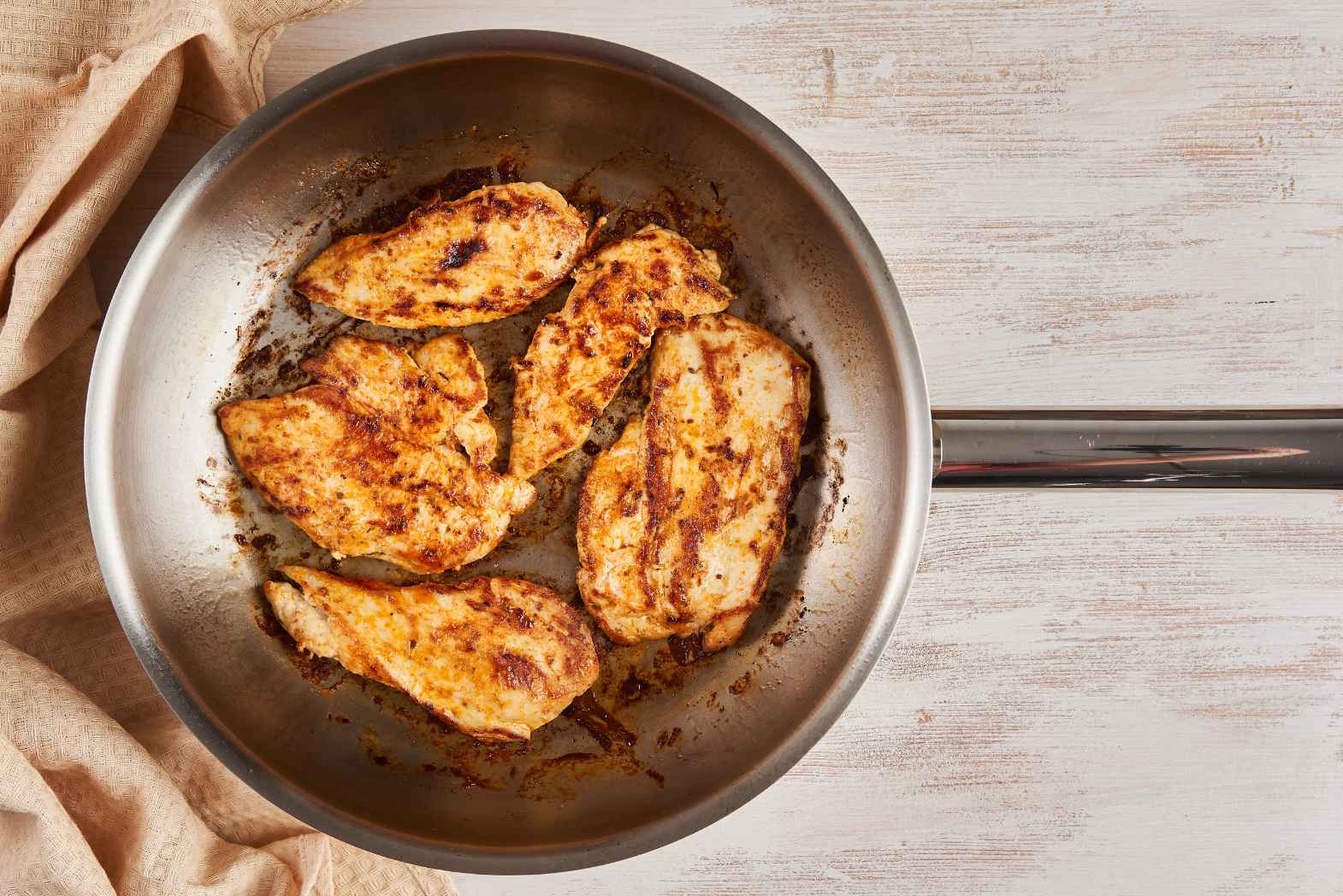
- Sear on medium-high, flip once, then finish in oven if needed.
Steaks
- Sear on high to create a crust, then lower heat to desired doneness.
- Let steaks rest 5–10 minutes before slicing.
Vegetables
- Don’t overcrowd the pan. Too much moisture causes steaming instead of browning.
- Cook in batches for even caramelization.
These variations show practical ways to cook on stainless steel pans without sticking across many dishes. In my experience, treating each food type slightly differently saves time and improves texture.

Troubleshooting common sticking problems
If food still sticks, try these fixes.
Problem: Food tears when flipped
- Cause: Pan or food too cool; crust hasn't formed.
- Fix: Return pan to heat and wait until it releases or finish in oven.
Problem: Oil smokes and smells burnt
- Cause: Wrong oil or too high heat.
- Fix: Discard burned oil, cool pan slightly, and use a high-smoke-point oil next time.
Problem: Uneven browning
- Cause: Hot spots or crowding.
- Fix: Use a heavier pan and avoid overcrowding. Move items around to even heat.
Problem: Residue buildup
- Cause: Cooking at too-high heat or not deglazing.
- Fix: Deglaze with liquid after cooking; clean thoroughly between uses.
I learned these fixes the hard way when stubborn bits ruined a batch of fish. A quick deglaze often salvaged the meal and produced a better sauce than I expected.

Cleaning and maintenance to keep pans nonstick-friendly
Good cleaning preserves the pan’s surface and performance.
Daily care
- Wash with warm water, mild dish soap, and a non-abrasive sponge.
- For stuck-on bits, soak briefly, then use a plastic scraper.
Deep clean for discoloration or buildup
- Make a paste of baking soda and water; scrub gently.
- Boil a mixture of water and vinegar to remove mineral spots.
Seasoning a stainless skillet (optional)
- While not required, a light seasoning can help. Heat oil to shimmering, wipe out excess, and let cool.
- Repeating this occasionally builds a helpful film but is not the same as a coated nonstick pan.
Storage tips
- Stack with a layer between pans to avoid scratches.
- Avoid prolonged contact with acidic foods that can dull the finish.
Following these steps helps you continue to cook on stainless steel pans without sticking and extends pan life. My favorite tip: keep a small jar of clarified butter in the fridge for quick oil with flavor.

Personal lessons, mistakes, and pro tips
I’ve ruined more than one dinner by rushing the preheat. Here are lessons I learned that you can use right away.
What I did wrong
- I added food to a lukewarm pan and blamed the pan. The pan needed more heat.
- I used olive oil for high-heat sears and burned it.
What changed everything
- I started testing pan temperature with the water bead method and used clarified butter or refined oils.
- I paused after placing food. Letting it sit was the hardest habit to form, but it made the biggest difference.
Pro tips
- Use a thermometer to learn stove quirks.
- Trim excess moisture and fat from proteins for better contact.
- Keep a kitchen towel handy; wiping the pan between batches removes residue.
These real-world tips come from hands-on cooking and countless weekday meals. They help you reliably cook on stainless steel pans without sticking and stress.

Frequently Asked Questions of how to cook on stainless steel pans without sticking
How hot should my stainless steel pan be before adding oil?
Heat the pan on medium until a drop of water beads and skates. Then add oil and heat until it shimmers but does not smoke.
What oil is best to cook on stainless steel pans without sticking?
Use high-smoke-point oils like refined avocado, grapeseed, or clarified butter. These oils stay stable at searing temperatures and reduce sticking.
Can I cook eggs on stainless steel without sticking?
Yes. Use medium heat, a thin coat of clarified butter, and let the whites set before moving the egg. Patience at the start is key to release.
Why does my food stick even when the pan is hot?
If food is wet or overcrowded the pan, it will steam and stick. Also, if the pan or oil is not at the right temperature, proteins can bond to the metal.
Will seasoning a stainless steel pan make it nonstick like Teflon?
Seasoning adds a helpful film but won’t replicate a coated nonstick surface. It can reduce sticking and aid cleanup but is not a full substitute.
How do I remove stubborn stuck-on bits safely?
Soak the pan in warm soapy water, then use a plastic scraper or baking soda paste. Boiling water and a splash of vinegar can help loosen residue.
Conclusion
You can learn how to cook on stainless steel pans without sticking by mastering heat, oil choice, and timing. Practice the simple routine: preheat, oil, dry food, place, and wait. Small changes — like using clarified butter or letting a crust form — yield big results.
Try these tips tonight with a piece of fish or a chicken breast. Track what works on your stove and build confidence one meal at a time. Share your wins or questions below, subscribe for more tips, or leave a comment with your favorite stainless steel recipe.