
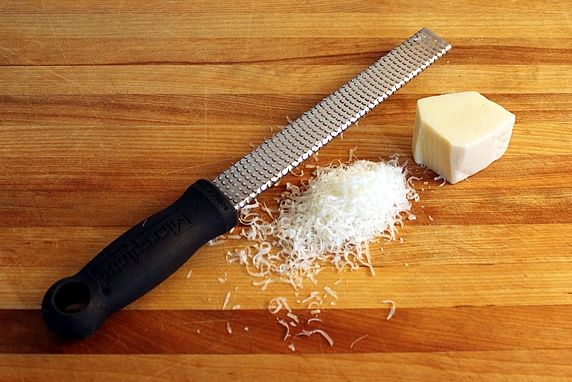
Use a microplane or fine grater, hold a cold wedge, and grate downward with steady pressure.
I’ve grated Parmesan in home kitchens and restaurant lines for years, so I know exactly how to grate Parmesan cheese for peak flavor and texture. This guide on how to grate Parmesan cheese explains the tools, step-by-step techniques, storage tips, and common mistakes so you get light, fluffy shreds that melt and taste bright every time.
:max_bytes(150000):strip_icc()/__opt__aboutcom__coeus__resources__content_migration__serious_eats__seriouseats.com__2020__04__20200416-cheese-grating-daniel-gritzer-1-35753677a7b4436e98be4b2c1350af6c.jpg)
Why grate Parmesan? Flavor, texture, and timing
Grating Parmesan unlocks its aroma and helps it melt evenly. Freshly grated Parmesan tastes brighter and melts more smoothly than pre-grated versions. Knowing how to grate Parmesan cheese matters if you want better risottos, pasta finishes, salads, or soups.
Fresh-grated Parmesan has a nuttier aroma and a cleaner finish on the palate. Pre-grated jars often contain anti-caking agents and lose aroma over time, so grating at home improves taste and texture.
Types of Parmesan and which to use
Parmigiano-Reggiano vs. Parmesan label. True Parmigiano-Reggiano ages from 12 to 36 months and has complex crystals and a dry, crumbly texture. Generic "Parmesan" can be milder and younger.
Choose a wedge over pre-shredded bags for the best results. A 12–24 month wedge is easy to grate and gives a balance of cream and salt. Older wheels (24+ months) are drier and flakier; they yield light, crystalline shreds. Use this knowledge when deciding how to grate Parmesan cheese for different dishes.

Tools and methods for grating Parmesan
Different tools give different textures. Pick the right tool based on the dish and how fine you want the cheese.
- Microplane grater
- Best for fine, snow-like shreds that melt quickly. Use for finishing pasta, soups, and sauces.
- Box grater (fine side)
- Good for small kitchens. Produces slightly coarser shreds than a microplane.
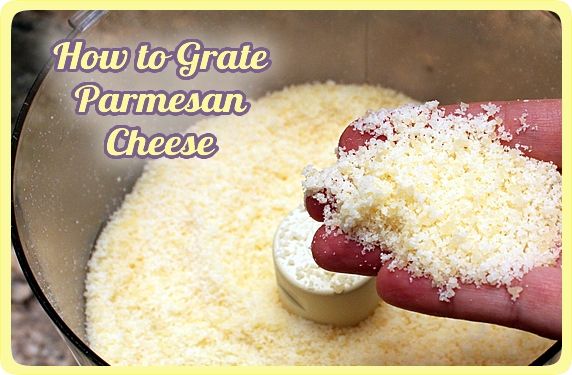
- Food processor with a grating disk
- Fast for large quantities. Works well if the wedge is cut into chunks first.
- Vegetable peeler or knife (shavings)
- Creates thin, wide ribbons best for salads or cheese plates.
- Mortar and pestle or zester (for dust)
- Use for very fine dusting or when you want tiny particles.
Personal tip: I keep a microplane in my prep drawer. For a dinner party, I grate directly over plates so the aroma hits guests at the table. That small ritual improves the experience.
PAA-style questions about tools
Which grater is best for pasta?
A microplane is best for pasta because it creates fine, airy shreds that melt quickly and distribute evenly.
Can I use pre-grated Parmesan instead of grating fresh?
You can, but pre-grated cheese often contains anti-caking agents that reduce melting quality and flavor.
Is a food processor worth it?
Yes, if you grate large volumes. It is fast and consistent, but it needs chunks of cheese and careful scraping to avoid clumps.
:max_bytes(150000):strip_icc()/__opt__aboutcom__coeus__resources__content_migration__serious_eats__seriouseats.com__2020__04__20200416-cheese-grating-daniel-gritzer-3-333c4b5d339749f09187a0960421685a.jpg)
Step-by-step: how to grate Parmesan cheese
Follow these clear steps to grate Parmesan safely and efficiently.
- Chill the wedge
- Put the cheese in the refrigerator or freezer for 10–15 minutes. Cold cheese is firmer and grates more cleanly.
- Prepare your tool and surface
- Place a bowl or plate under the grater. Use a damp towel beneath a cutting board to stop slipping.
- Trim the rind if desired
- The rind is edible but tough. Remove it with a knife if you want uniform shreds. Save rinds for soups.
- Grate with steady motion
- Move the cheese across the grater using downward strokes. Keep fingers away from sharp edges.
- Tap and sift
- Tap the grater to dislodge trapped bits. For even texture, sift through a small mesh strainer if needed.
- Store leftovers promptly
- Wrap the remaining wedge tightly and refrigerate. Use within 2–3 weeks for best flavor.
Safety tip: Use a cut-resistant glove if you grate often. I learned this the hard way after nicking a knuckle during a busy dinner service; the glove made a big difference.
Tips, storage, and common mistakes
Small choices change outcomes a lot. Here are practical tips and mistakes to avoid when you grate Parmesan.
- Keep cheese cold before grating to avoid clumping and crumbling.
- Grate directly over the dish for the best aroma and visual effect.
- Don’t over-grate: finer cheese melts faster and can vanish in sauces. Match texture to purpose.
- Store wedges wrapped in parchment and then plastic to let the cheese breathe while avoiding drying.
- Avoid pre-shredded jars when possible; they lose flavor and don’t melt as well.
Common mistakes to avoid:
- Using room-temperature soft wedges that smear instead of grate.
- Pushing too hard on the grater, which causes large chunks to break off unevenly.
- Leaving leftovers unwrapped; the cheese will dry out or absorb fridge odors.
:max_bytes(150000):strip_icc()/__opt__aboutcom__coeus__resources__content_migration__serious_eats__seriouseats.com__2020__04__20171206-pasta-alla-limone-vicky-wasik-10-7800ed3235074201a85e8bb5c7db2a49.jpg)
Source: seriouseats.com
Frequently Asked Questions of how to grate parmesan cheese
How long should I chill Parmesan before grating?
Chill for 10–15 minutes in the fridge or 5–10 minutes in the freezer. Cold cheese firms up and grates cleaner.
Can I freeze Parmesan wedge for grating later?
Yes. Freeze for up to 3 months, then grate from frozen for the best texture. Thawing fully can make it crumbly.
Is the rind edible when grating Parmesan?
Yes, the rind is edible but tough. Use rinds for simmering in soups or sauces rather than grating into salads.
How do I prevent grated Parmesan from clumping?
Keep cheese cold, grate fresh, and use a light dusting of cornstarch only if storing pre-grated for longer. Freshly grated melts and separates better.
What’s the best way to grate Parmesan for pizza?
Use slightly coarser grating or thin shavings so the cheese browns and holds its texture on top of pizza.
Can I use a blender to grate Parmesan?
A high-speed blender can work for small amounts but offers less control and may produce uneven bits. Cut cheese into small cubes first.
Conclusion
Grating Parmesan is a simple skill that lifts everyday meals. Use a microplane for fine shreds, keep wedges cold, and grate just before serving for the best flavor and melt. Try the steps here tonight: chill your wedge, pick the right tool, and grate directly over your dish to enjoy brighter aroma and better texture. If this guide helped, leave a comment with your favorite dish to top with fresh Parmesan or subscribe for more practical kitchen tips.