
Most kitchen cabinets are 24 inches deep for base cabinets and 12 inches for wall cabinets.
I’ve helped design kitchens and measure cabinets for homeowners for years. I’ll walk you through how deep are kitchen cabinets, why depth matters, and practical tips for measuring and choosing the right size. Read on for clear guidance, real-world advice, and small mistakes to avoid when planning your kitchen layout.
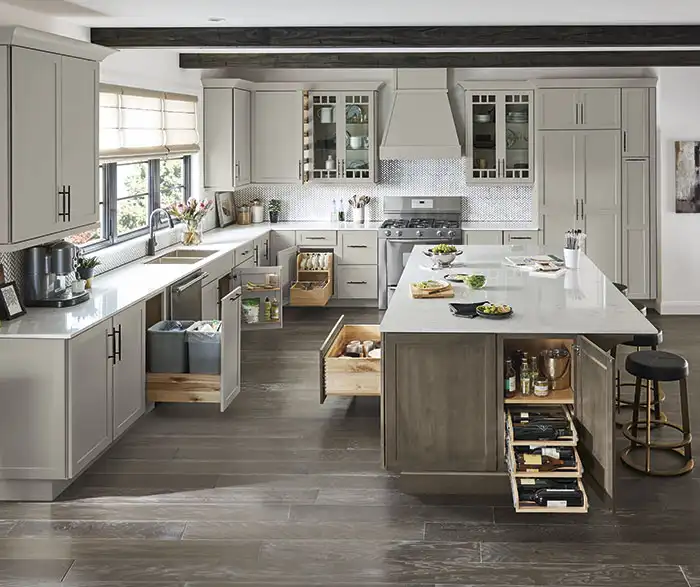
Standard depths for kitchen cabinets
Standard sizes make planning easier. When people ask how deep are kitchen cabinets, they usually mean base and wall cabinets. Base cabinets most commonly come in 24 inches deep. Wall cabinets are usually 12 inches deep. Pantry or tall cabinets often range from 18 to 24 inches deep.
Common standard depths
- Base cabinets: 24 inches deep (countertop sits on top).
- Wall cabinets: 12 inches deep (mounted on the wall).
- Shallow wall cabinets: 9 to 10 inches deep (for tight spaces).
- Pantry/tall cabinets: 18 to 24 inches deep.
- Drawer banks and appliance cabinets: depths can match base cabinets or be customized.
These standards keep countertops, appliances, and workflow aligned. Knowing how deep are kitchen cabinets helps you choose appliances and plan counters. It also improves storage planning and ergonomic design.
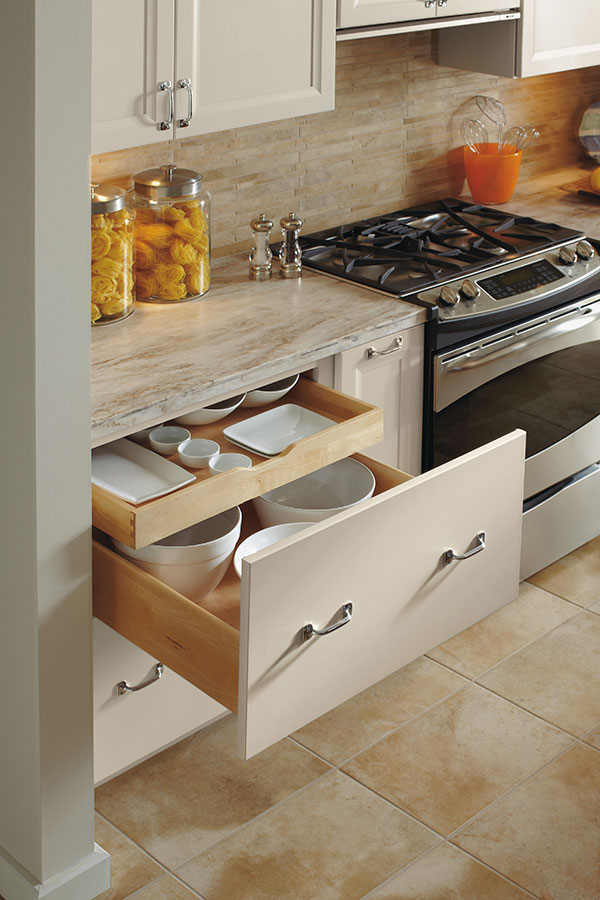
Why cabinet depth matters
Depth affects storage, reach, and workspace. If you know how deep are kitchen cabinets, you can avoid wasted space and awkward reach. Deeper cabinets hold more, but they can block sight lines and make items hard to reach. Shallower cabinets save room and keep items in easy view.
Key impacts of depth
- Storage capacity: deeper cabinets store large pots and pantry items.
- Accessibility: shallow cabinets make it easy to reach back items.
- Counter overhang: cabinet depth sets countertop overhang and edge.
- Appliance fit: built-in appliances need proper cabinet depth clearances.
- Flow and sight lines: deeper upper cabinets can feel heavy visually.
Understanding these effects helps you balance storage with usability. Ask how deep are kitchen cabinets early in your design process to avoid costly changes later.

How to measure kitchen cabinet depth
Measure with a tape. Knowing how deep are kitchen cabinets starts with simple measuring steps. Keep measurements precise and note whether you measure with or without doors and fronts.
Step-by-step measuring tips
- Measure from the wall to the front face of the cabinet. Include the door if you want total protrusion.
- For base cabinets, measure from the wall to the front of the cabinet box and then to the countertop edge.
- For wall cabinets, measure from the mounting surface to the cabinet front. Check clearance under soffits and shelves.
- If cabinets are framed, measure the face frame separately from the box depth.
- Write down interior depth and exterior depth. Interior depth is crucial for shelving and storage planning.
I often mark drawings with both interior and exterior depths. That small habit saves time during installation and when ordering inserts.
:max_bytes(150000):strip_icc()/guide-to-common-kitchen-cabinet-sizes-1822029-base-6d525c9a7eac49728640e040d1f90fd1.png)
Custom and specialty cabinet depths
Not every kitchen fits standard depths. When people ask how deep are kitchen cabinets, they sometimes need custom sizes for islands, nooks, or unusual appliances. You can order custom depths when you need better flow or more storage.
Common custom choices
* Islands: 30 to 36 inches deep for added workspace and seating.
- Deep pantries: 24 to 30 inches deep for bulk storage.
- Appliance garages: depth tailored to appliance size, often 12 to 18 inches.
- Shallow upper cabinets: 9 to 10 inches deep to avoid blocking sight lines.
- Open shelving depth: usually 10 to 12 inches for plates and glasses.
Custom depths can improve function. But custom cabinets are more costly. Balance needs and budget before choosing deeper or shallower boxes.

Practical tips from experience
I’ve installed and measured dozens of kitchens. Here are tips I learned the hard way about how deep are kitchen cabinets and how that choice affects daily use.
Lessons and tips
- Check appliance specs first. Measure refrigerator, dishwasher, and oven clearances before finalizing cabinet depth.
- Consider countertop overhang. A 1-inch overhang is common with 24-inch base cabinets.
- Think about reach. If you’re short, deeper base cabinets may need pull-out shelves or drawers.
- Use pull-out trays and deep drawers for deep cabinets. They make items easy to access.
- Mock up with cardboard. Cut cardboard to the planned depth and tape it to the wall to feel the space before buying.
My mistake early on was not accounting for door handles and appliance depths. That led to tight gaps and an unhappy client. Measure twice and visualize with mockups.

Design trade-offs and cost considerations
Choosing how deep are kitchen cabinets also affects cost and layout. Deeper cabinets require more material and can increase hardware and installation costs. They also might need stronger wall studs or reinforcement when mounted.
Trade-offs to weigh
- Cost: deeper or custom cabinets raise price.
- Weight: deep cabinets or filled pantries add load to floors or walls.
- Workflow: deeper islands can be great for prep but may hinder traffic.
- Resale value: standard depths often appeal to buyers; unusual depths can be a selling point if done well.
Get quotes for both standard and custom options. Compare long-term benefits before committing.

PAA-style questions
What should the depth of my island be?
- Islands are often 30 to 36 inches deep to allow prep space and seating. Choose depth that fits kitchen traffic and seating needs.
Are shallow wall cabinets useful?
- Yes. Shallow wall cabinets keep sight lines open and make items easy to reach. They work well over sinks or in narrow kitchens.
How does cabinet depth affect countertops?
- Cabinet depth sets the countertop footprint and overhang. Standard counters over 24-inch base cabinets usually overhang 1 to 1.5 inches.
Should pantry cabinets be deeper than base cabinets?
- Pantries can be deeper, typically 18 to 24 inches, to fit bulk items. But deeper pantries may need pull-outs to keep items accessible.
Can I mix cabinet depths in one kitchen?
- Mixing depths is common and useful. Use standard depths for base cabinets and customize islands or pantries as needed.

Frequently Asked Questions of how deep are kitchen cabinets
What is the standard depth for base cabinets?
Standard base cabinets are usually 24 inches deep. This depth works well with standard countertops and appliances.
How deep are wall cabinets normally?
Wall cabinets are commonly 12 inches deep. This depth keeps the kitchen light and items reachable.
How deep should a kitchen island be?
Kitchen islands often range from 30 to 36 inches deep. The depth depends on seating needs and kitchen circulation.
Can cabinet depth be customized for appliances?
Yes, cabinet depth can be customized to fit built-in appliances. Always check appliance specs and clearances before ordering.
Do deeper cabinets cost more?
Deeper cabinets generally cost more because they use more material and may need stronger hardware. Custom depths increase cost further.
Is there a maximum cabinet depth I should avoid?
Avoid depths that block walkways or make access hard. For wall cabinets, anything over 15 inches can feel heavy; for base, more than 24–30 inches may need special planning.
How do I decide between drawers and deep shelves?
Drawers provide easier access in deep cabinets. Use drawers for pots and pans and deep shelves for infrequent pantry items.
Will deeper cabinets affect countertop overhang?
Yes. Cabinet depth determines where the countertop sits and how much it overhangs. Plan overhangs for seating and edge protection.
Conclusion
Choosing the right depth is a practical step toward a functional kitchen. Know the standards, measure carefully, and consider how deep are kitchen cabinets in relation to appliances, reach, and traffic. Test layouts with mockups, plan for storage solutions like pull-outs, and weigh custom needs against cost. Start by measuring and visualizing your space, then make informed choices that match how you cook and live. If you found these tips helpful, try measuring your current cabinets today, leave a comment with your kitchen layout, or subscribe for more practical kitchen design advice.