
Smother flames: turn off heat, cover pan with a lid, and use an extinguisher if needed.
I’ve spent years writing about home safety and training people on basic fire response. This guide explains how to put out a fire in the kitchen with clear steps, real-life tips, and simple rules you can use now. You will learn what to do first, which tools help most, how to handle grease and electrical blazes, and how to stay safe while protecting your home and family.

Why kitchen fires start and what makes them dangerous
Kitchen fires are common and fast. A small flare can grow in seconds. Cooking oils, unattended pans, faulty wiring, and overloaded outlets are top causes. Heat and flammable oils create a dangerous mix. Smoke and toxic fumes can hurt you quickly. Knowing why a fire starts helps you stop it sooner and safer.
Common causes include:
- Unattended cooking on the stove or in the oven.
- Overheated oil or grease that ignites.
- Faulty appliances or damaged cords.
- Flammable items placed too close to heat.
- Children or pets accidentally nudging hot pans.
Understanding the cause helps you pick the right method to stop flames. If you know how to put out a fire in the kitchen, you can act with calm and speed. Prevention and quick action are the real keys to safety.
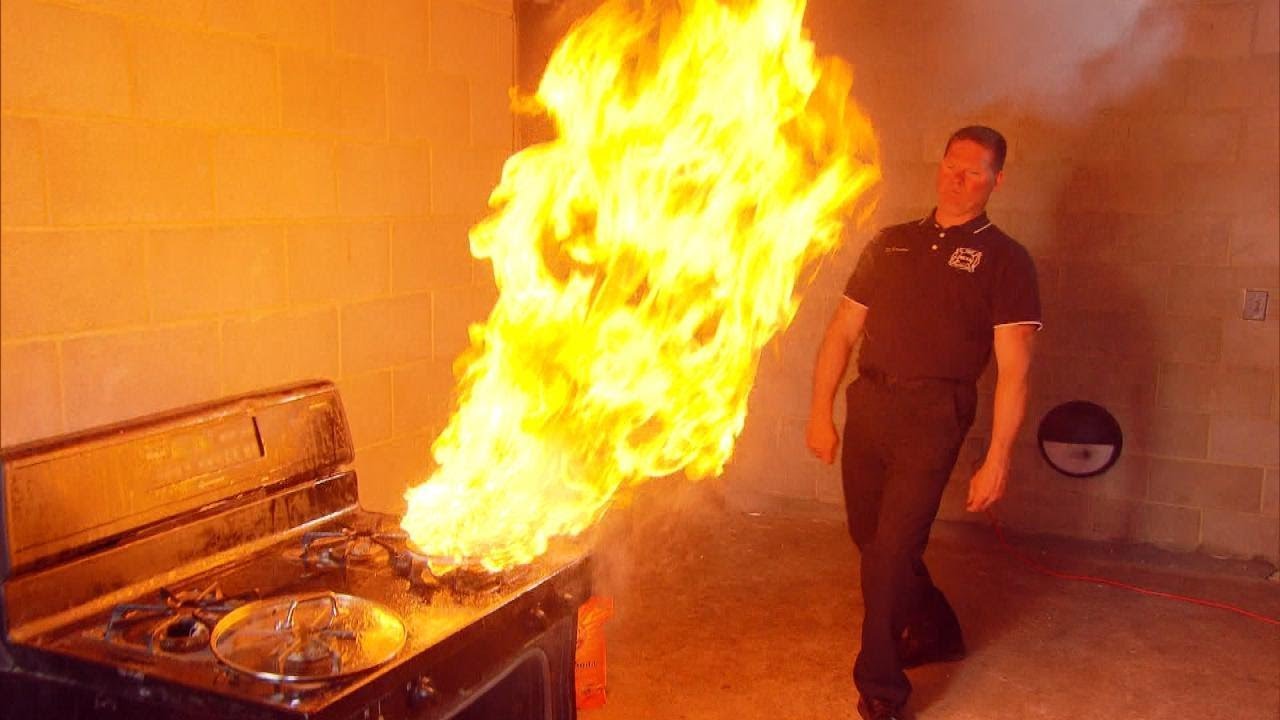
Immediate steps to take the moment a kitchen fire starts
Act fast but stay calm. Your first priority is people. Move anyone in danger away. If the fire is small and safe to approach, follow these steps.
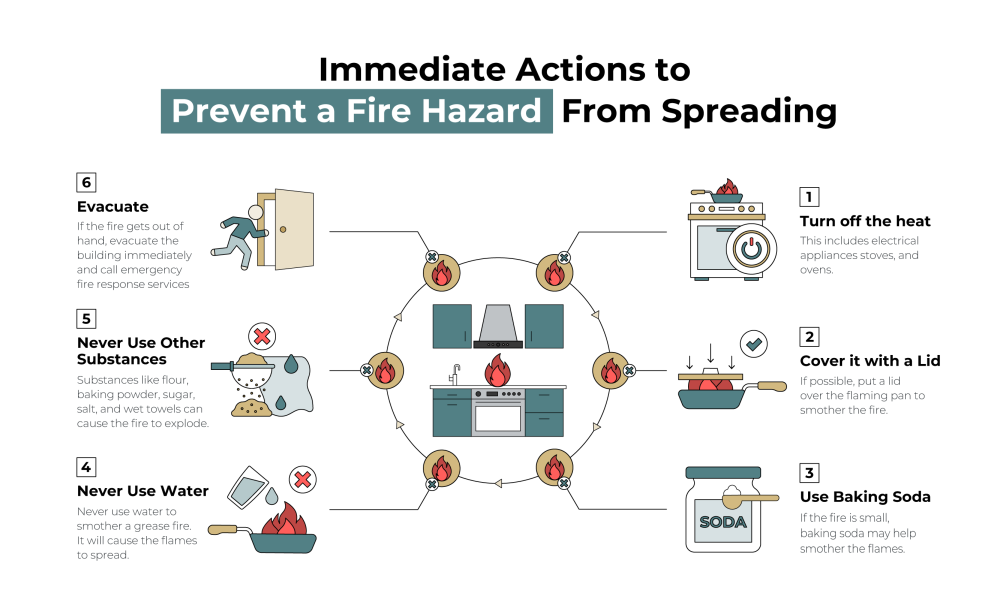
- Turn off the heat source if you can do so safely.
- Cover the flames with a metal lid or a baking sheet to cut oxygen.
- Use a fire extinguisher rated for kitchen fires (Class K for grease, or ABC for general use).
- Do not use water on grease or oil fires; water can spread the fire.
- If flames grow or you smell heavy smoke, get everyone out and call emergency services.
These steps form a clear plan for how to put out a fire in the kitchen. Practice the actions mentally so you can move quickly when it matters.
:max_bytes(150000):strip_icc()/__opt__aboutcom__coeus__resources__content_migration__serious_eats__seriouseats.com__2019__03__20190223-fire-safety-vicky-wasik-1-1500x1125-a9c070ce081f4070a1d6807b35255b6c.jpg)
How to put out specific types of kitchen fires
Different fires need different responses. Use the right method to avoid making things worse.
Grease or oil fires
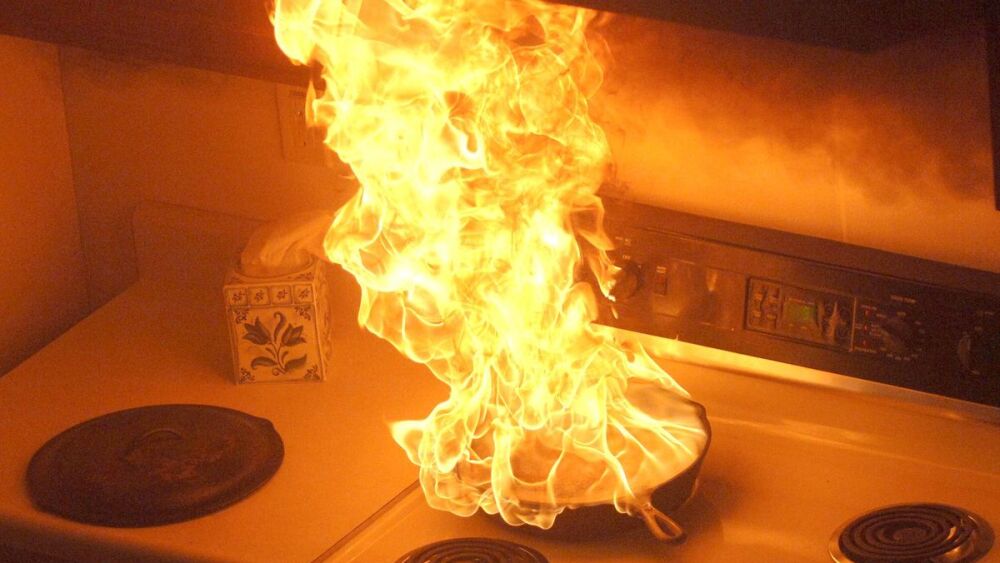
Grease fires are the most dangerous in kitchens. They flare up suddenly and burn very hot.
- Turn off the burner if you can safely reach it.
- Slide a metal lid or baking sheet over the pan to smother the fire.
- If the pan is small and safe, use baking soda to douse flames. Use a lot — light sprays won't help.
- Never throw water on a grease fire. Water makes the oil splash and spreads the flames.
- If the fire is out but hot, leave the lid in place until the pan cools.
Oven and broiler fires
Oven fires are often contained but can be risky when opened.
- Keep the oven door closed. Turn off the oven.
- If flames appear when the door is open, close it and wait for flames to die out.
- Use an extinguisher if flames escape the oven.
Electrical appliance fires
Appliances can spark flammable materials.
- Unplug the appliance if you can safely reach the plug without touching the fire.
- If unplugging is unsafe, back away and use a Class C-rated or ABC fire extinguisher.
- Do not use water on electrical fires.
Microwave fires
Microwave fires usually come from overheated food or a metal object.
- Keep the microwave door closed and turn it off.
- If flames continue after power-off, call emergency services.
- Use an extinguisher only if the fire escapes the microwave.
Knowing how to put out a fire in the kitchen requires matching the method to the cause. That match saves homes and lives.
Fire safety tools and your kitchen kit
A small kit can make a big difference. Keep tools within reach and learn how to use them.
Essential items:
- Fire extinguisher rated ABC or K, mounted in the kitchen and checked yearly.
- Metal lids for each stove burner size.
- A box of baking soda for grease flare-ups.
- A fire blanket stored near the stove.
- A working smoke alarm in or near the kitchen and a carbon monoxide detector in the home.
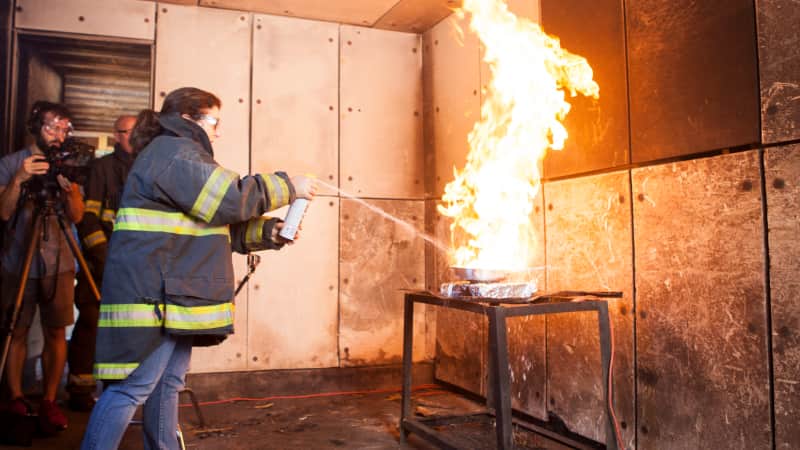
Know how to use a fire extinguisher. Follow PASS:
- Pull the pin.
- Aim low at the base of the fire.
- Squeeze the handle.
- Sweep side to side.
I keep a small ABC extinguisher on an open shelf. I check pressure monthly. When I taught classes, simple drills with that extinguisher built confidence fast.

Prevention: habits that reduce the chance of a kitchen fire
The best way to handle a fire is to stop it from starting. Small habits add up.
Practical prevention tips:
- Never leave cooking food unattended.
- Keep flammable items away from burners and hot surfaces.
- Use a timer when simmering or baking.
- Clean grease from stovetops and hood filters regularly.
- Replace frayed cords and unplug unused appliances.
I once left oil heating while I answered the door. I returned to smoke and a small flame and used a lid to smother it. That near-miss taught me to set alarms and avoid multitasking when frying.

Training, practice, and what to rehearse
Practice builds calm. Run simple drills with family members. Rehearsal helps everyone remember steps under stress.
Practice sessions should cover:
- Locating and operating the fire extinguisher.
- Safely turning off the stove and unplugging appliances.
- Smothering pan fires with lids.
- Evacuation routes and a meeting spot outside.
- Calling emergency services and what to say.
Short drills once per month work well. Keep scenarios simple and safe. Roleplay makes real events less frightening.
Common mistakes to avoid when putting out a kitchen fire
Mistakes can worsen a fire. Know what not to do.
Key mistakes to avoid:
- Pouring water on grease or oil fires.
- Trying to carry a flaming pan outside.
- Opening the oven door during an oven fire.
- Standing too close to a flare-up without protection.
- Waiting too long before calling for help.
I once saw someone toss water on a grease fire. The splash made flames jump across the stove. That moment reinforced the rule: never use water on oil.
Frequently Asked Questions about how to put out a fire in the kitchen
What is the first thing to do when a kitchen fire starts?
Move people away from danger and call for help if needed. If safe, turn off the heat and smother the flames with a lid or baking sheet.
Can I use water on any kitchen fire?
No. Do not use water on grease or oil fires. Water can spread those flames. Use a lid, baking soda, or an appropriate extinguisher instead.
What type of extinguisher should I keep in the kitchen?
A Class ABC extinguisher covers most kitchen fires. Restaurants often use Class K for commercial grease fires. Check labels and ratings for home use.
How do I smother a pan fire safely?
Slide a metal lid or baking sheet over the pan to cut off oxygen. Turn off the heat and wait until the pan cools before removing the lid.
When should I evacuate and call emergency services?
If the flames grow quickly, smoke fills the room, or you can’t control the fire in seconds, evacuate immediately and call emergency services.
Conclusion
You now know clear steps for how to put out a fire in the kitchen. Turn off heat when safe. Smother small flames with a lid. Use the right extinguisher for bigger fires. Practice prevention and simple drills regularly. Start by checking your extinguisher and placing lids near the stove. Share this advice with family and commit to one safety habit this week. If this helped, subscribe, leave a comment, or share your own kitchen-fire experience.