
Optimize layout, cut waste, train staff, use tech, and measure results to run a faster, calmer kitchen.
I have spent years managing busy kitchens and advising restaurant teams on how to streamline kitchen operations for efficiency. This guide blends hands-on experience, proven strategies, and simple checklists you can use today to reduce errors, speed service, and cut costs while keeping food quality high. Read on for a clear, step-by-step plan to transform how your kitchen works.

Assess current operations and set clear goals
Start with facts. Walk through a typical service from prep to plate. Time each step. Note delays, repeated tasks, and bottlenecks. Use short shadow shifts to observe staff. Ask simple questions to your team about pain points.
Set measurable goals. Examples:
- Reduce ticket time by 20% in three months.
- Cut plate errors by half in six weeks.
- Lower food waste by 15% by month two.
A baseline gives you something to measure. When you track changes, you can prove what works. This is the first step to learning how to streamline kitchen operations for efficiency.
Design an efficient kitchen layout
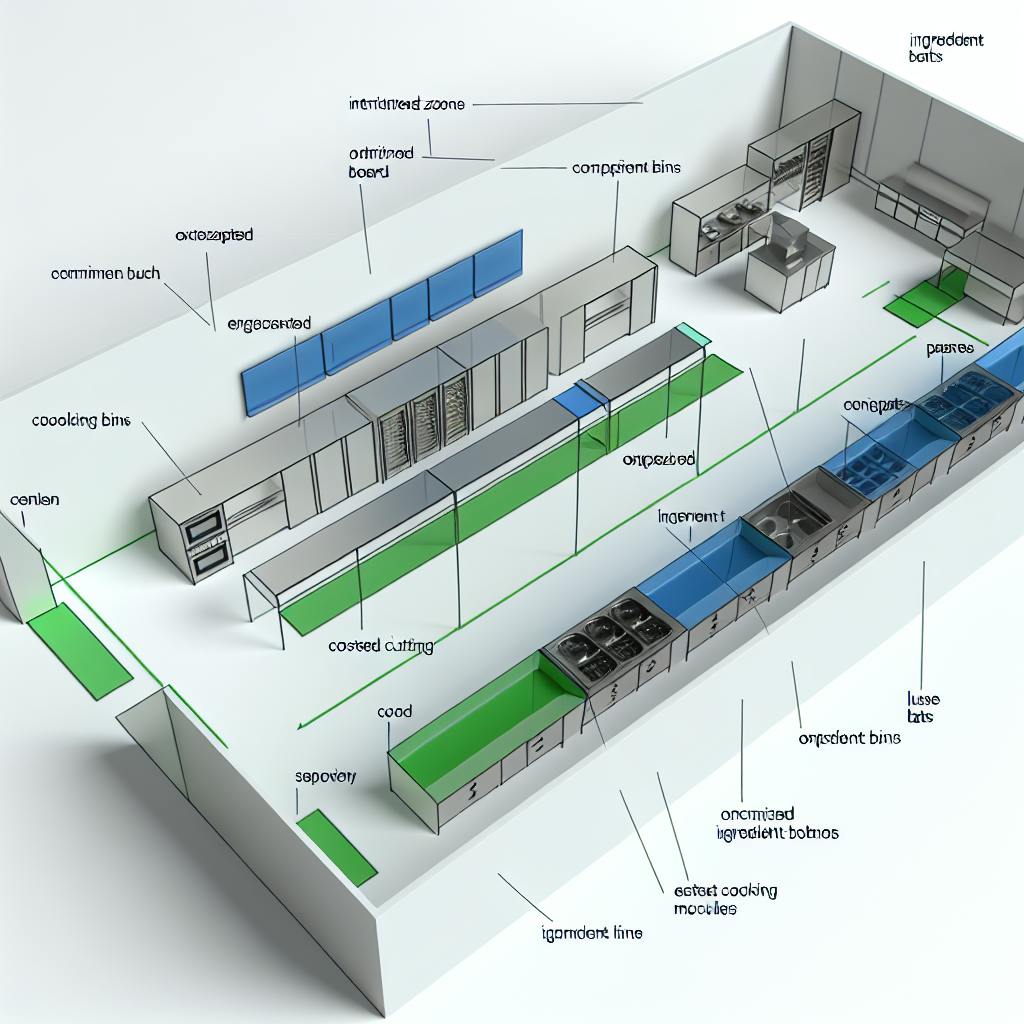
Place stations in a logical flow: storage, prep, cook, assembly, and service. Minimize steps between stations. Use the "work triangle" idea for high-use items. Keep paths clear for peak service.
Layout tips:
- Place cold storage near prep stations for quick access.
- Group similar equipment to reduce movement.
- Create a clear pass area for completed dishes.
- Use vertical storage to free floor space.
A better layout reduces wasted motion and speeds service. Small changes to flow often have big impacts on how to streamline kitchen operations for efficiency.
Choose the right equipment and keep it maintained
Buy equipment that fits volume, not ego. Overpowered or underpowered machines both hurt speed. Standardize tools and pans to make swapping simpler.
Maintenance checklist:
- Daily clean and quick-check routines.
- Weekly calibration and filter checks.
- Monthly preventive maintenance logs.
- Keep spare parts for high-failure items.
Well-chosen equipment and steady maintenance cut downtime. This supports long-term efforts to streamline kitchen operations for efficiency.

Improve inventory management and purchasing
Know what you use weekly. Track par levels for each item. Use FIFO (first in, first out) to reduce spoilage. Set reorder points tied to sales velocity.
Practical steps:
- Build simple par sheets per station.
- Use weekly inventory counts with a 15-minute routine.
- Consolidate vendors for better pricing and fewer deliveries.
- Negotiate smaller, more frequent orders to match demand.
Smarter inventory lowers waste and cost. It also smooths prep work and helps you predict needs when learning how to streamline kitchen operations for efficiency.

Staff roles, training, and clear communication
Define roles and duties for each shift. Make job cards for stations. Train staff in core skills and cross-train for backup. Use short daily huddles to align goals.
Training tips:
- Use shadowing and checklists for new hires.
- Teach time-saving knife and prep techniques.
- Run weekly skills refreshers in 15-minute blocks.
- Encourage feedback and reward consistent performance.
Clear roles and steady training cut mistakes and tempo loss. People are the heart of efficiency, so focus on them when considering how to streamline kitchen operations for efficiency.

Standardize recipes and processes
Write clear recipes and plate specs. Standardize portion sizes and prep methods. Use visual aids at stations for quick reference.
Benefits:
- Consistent food quality.
- Faster prep and assembly.
- Easier ordering and costing.
Standardization reduces decision time and error. It is one of the fastest wins for how to streamline kitchen operations for efficiency.
Use technology and simple automation
Adopt tools that match real needs. A good POS that links to kitchen displays cuts confusion. Inventory apps and simple timers save time. Avoid tech that adds busywork.
Tech ideas:
- Kitchen display system (KDS) for clear ticket flow.
- Inventory app with barcode or photo logging.
- Simple scheduling tools to match staff to demand.
- Digital checklists for cleaning and maintenance.
Technology speeds tasks and records data. Use it thoughtfully to support how to streamline kitchen operations for efficiency.

Measure performance and continuous improvement
Pick 4–6 KPIs to watch. Keep them simple. Examples:
- Average ticket time.
- Food waste percentage.
- Order accuracy rate.
- Labor cost per cover.
Run quick reviews after service. Ask what caused delays and what helped. Make one small change each week. Track results and adjust.
People ask small questions about operations. Here are three quick PAA-style questions:
What is the fastest way to reduce ticket times?
Focus on layout, clear station roles, and a single pass for plated food. Small fixes often cut minutes per ticket.
How much does tech help in small kitchens?
Even simple tech like a timer or KDS can save minutes and reduce mistakes. Start with one tool that solves a clear pain point.
How often should you review recipes and pars?
Review monthly for busy menus and every quarter for stable menus. Adjust faster when costs or demand change.
Measuring and tweaking keeps gains in place and grows your plan to streamline kitchen operations for efficiency.
My experience: real wins and lessons learned
I once helped a 60-seat bistro cut ticket time by 30% in six weeks. We reworked layout, made four recipe cards, and introduced a KDS. The team hated change at first. We kept changes small. We trained together and celebrated wins. Trust grew fast.
Lessons learned:
- Small changes beat big overhauls when service is live.
- Staff buy-in matters more than any gadget.
- Track simple metrics. Data builds confidence.
These on-the-floor lessons reflect how to streamline kitchen operations for efficiency from real work and not just theory.
Quick checklists to start today
Use these short lists to begin now.
Startup checklist:
- Walk the flow during prep.
- Confirm par levels for three key ingredients.
- Run a 10-minute station clean and tune.
Shift checklist:
- Huddle for 5 minutes before service.
- Confirm roles and hot items.
- Tally waste at the end of service.
Weekly checklist:
- Count inventory for fast-moving items.
- Run one maintenance task on a key machine.
- Review one KPI with the team.
Start small. Repeat. These steps are practical ways to see how to streamline kitchen operations for efficiency in days, not months.
Frequently Asked Questions of how to streamline kitchen operations for efficiency
How quickly can I see results from changes?
You can see small wins in a few days and measurable gains in 4–8 weeks with focused effort. Track one or two KPIs to prove progress.
Is layout the most important factor?
Layout is a major factor, but people and processes matter just as much. Balanced improvements across layout, tools, and training work best.
What is a simple first step for a busy kitchen?
Start with a 5-minute pre-shift huddle and a clear pass area for plated dishes. These two actions reduce many common errors.
How do I reduce food waste fast?
Set par levels, use FIFO, and track waste daily for the first two weeks. Small tracking habits reveal the biggest waste drivers.
Can technology replace good training?
No. Tech helps, but proper training and clear roles are essential. Invest in both for lasting efficiency.
Conclusion
You can streamline kitchen operations for efficiency by fixing flow, simplifying tasks, training staff, using the right tools, and measuring results. Start with a short audit, pick one or two goals, and make small, repeatable changes. The real power is steady improvement and team buy-in. Try one checklist this week, track a simple KPI, and share the results with your team. If you found this useful, leave a comment, subscribe, or try one tip today.