Add warm wood tones, warm lighting, and layered textiles for a cozy white kitchen.
I’ve designed and lived in several white kitchens, so I know how easy they are to love—and how easy they are to make feel cold. This guide on how to warm up a white kitchen gives clear, tested strategies you can apply right away. I’ll share practical steps, product ideas, lighting rules, and styling tips from real projects so you can turn your bright white kitchen into a warm, inviting heart of the home.
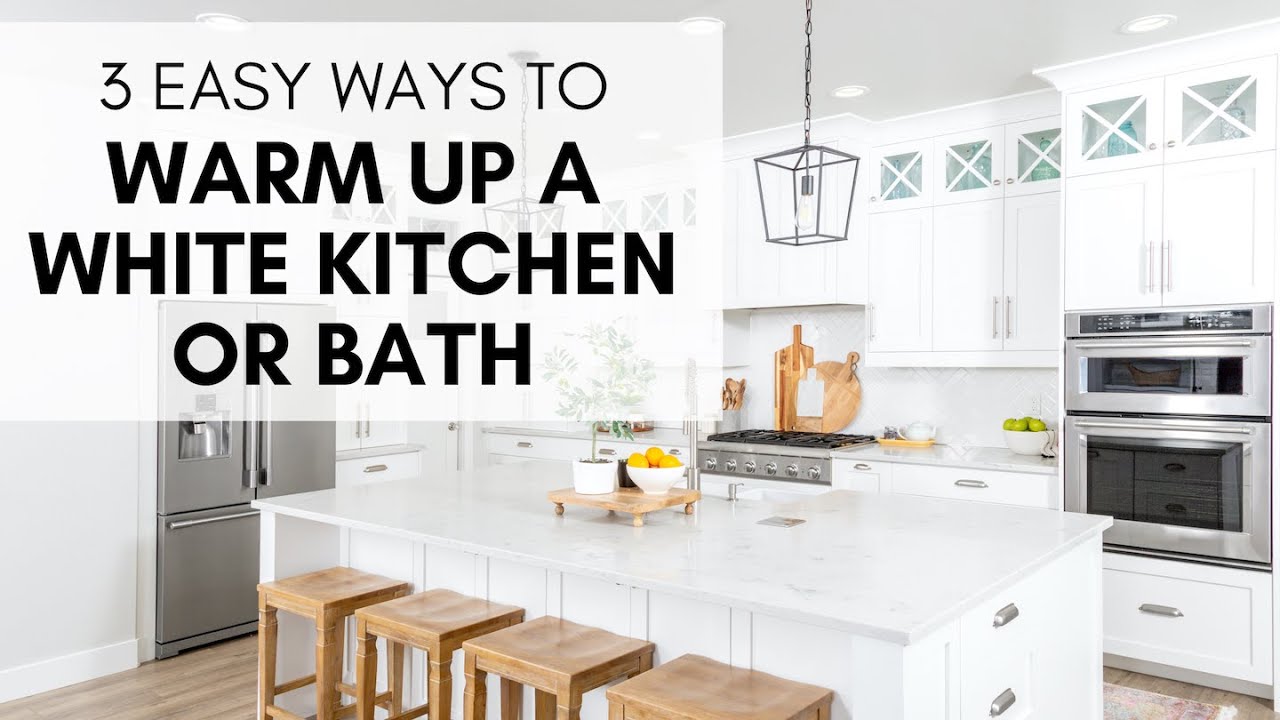
Why warming a white kitchen matters
A white kitchen looks clean and timeless. But white can feel stark without balance. Learning how to warm up a white kitchen helps it feel cozy, lived-in, and welcoming. Warmth improves comfort for cooking, eating, and gathering. It also increases resale appeal for buyers who want both brightness and personality. Throughout this post I’ll use easy examples and real-world tips to help you make changes that matter.

Color, texture, and materials to add warmth
Choose warm undertones and layered textures. These changes show you how to warm up a white kitchen without painting every surface.
- Use warm whites. Pick whites with cream, ivory, or subtle beige undertones rather than cool bluish whites. This keeps the kitchen bright and warmer at the same time.
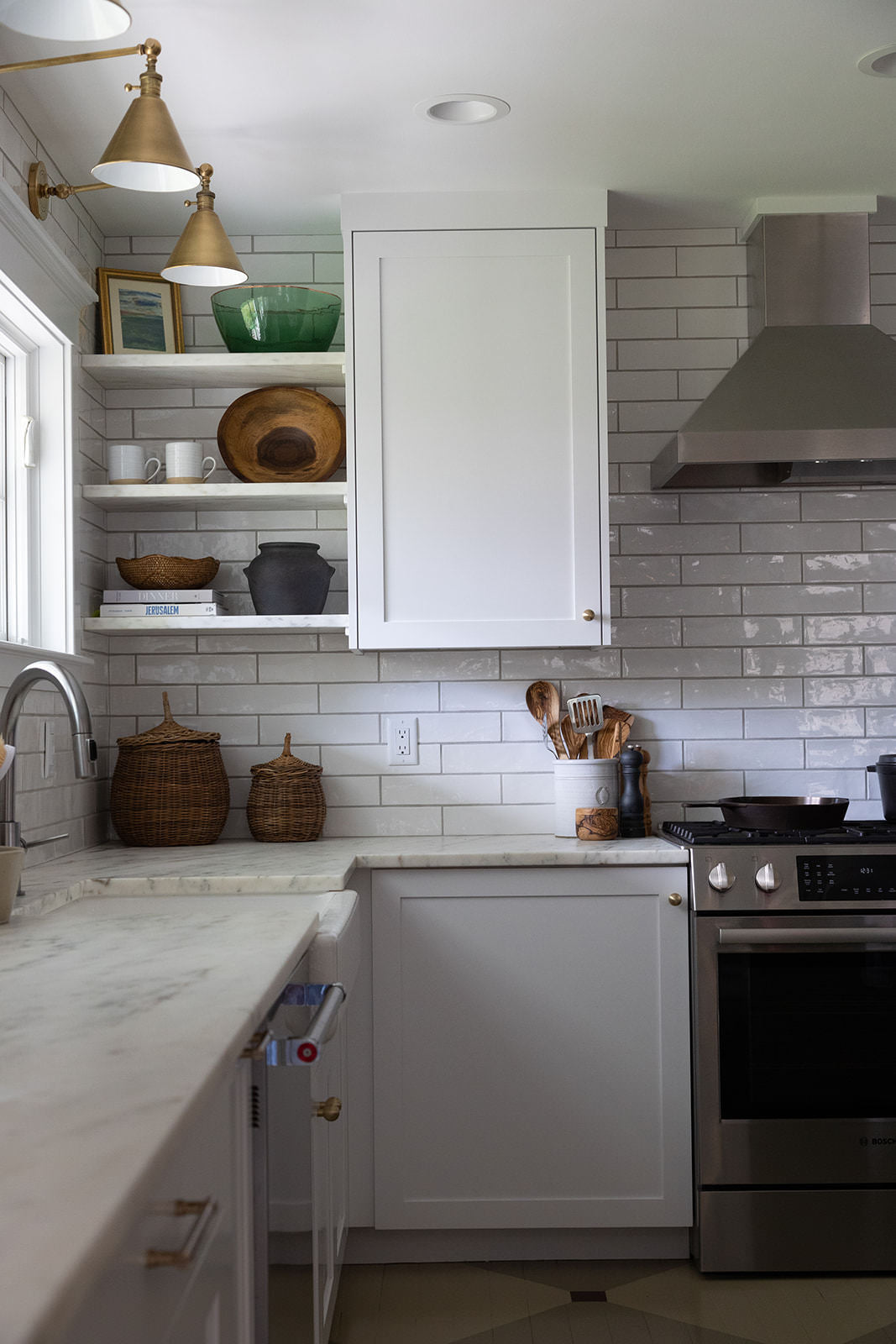
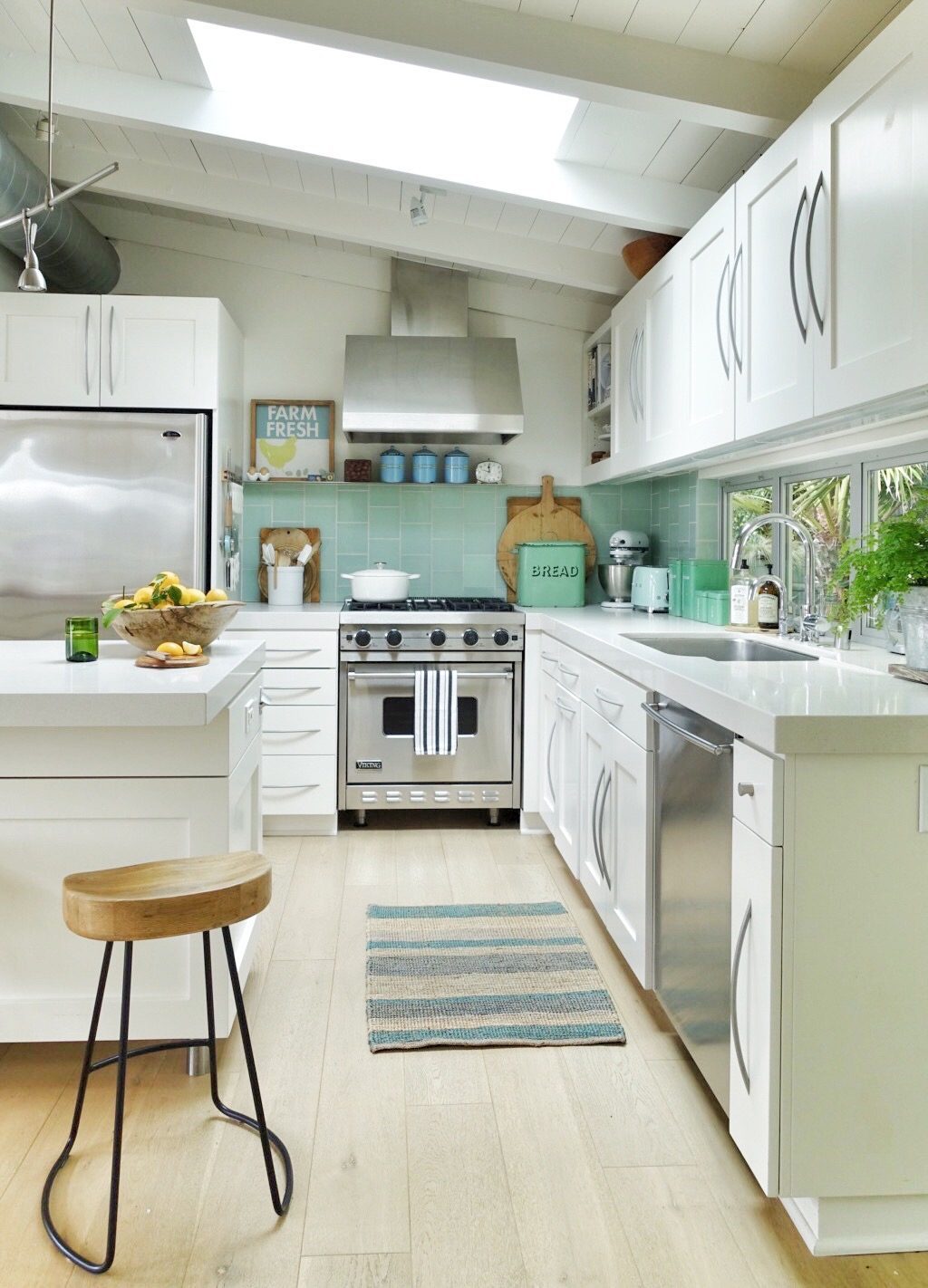
- Add wood tones. Open shelving, a butcher block island top, or stained base cabinets add instant warmth. Natural wood grain creates visual contrast.
- Bring in textured materials. Woven baskets, matte ceramics, and hand-finished tiles add depth and warmth.
- Mix materials. Pair a white backsplash with warm stone counters or wood accents to soften the look.
- Add color accents. Soft terracotta, warm greens, and muted yellows complement white and feel cozy.
Personal note: In one reno I swapped a glossy white island top for a walnut counter edge and instantly softened the whole room. It made the space feel more human and welcoming.

Lighting: the single biggest change
Lighting changes mood quickly. If you want to know how to warm up a white kitchen fast, start with light.
- Choose warm color temperature. Use bulbs in the 2700K to 3000K range for a warm glow. Avoid 4000K+ “cool white” lights.
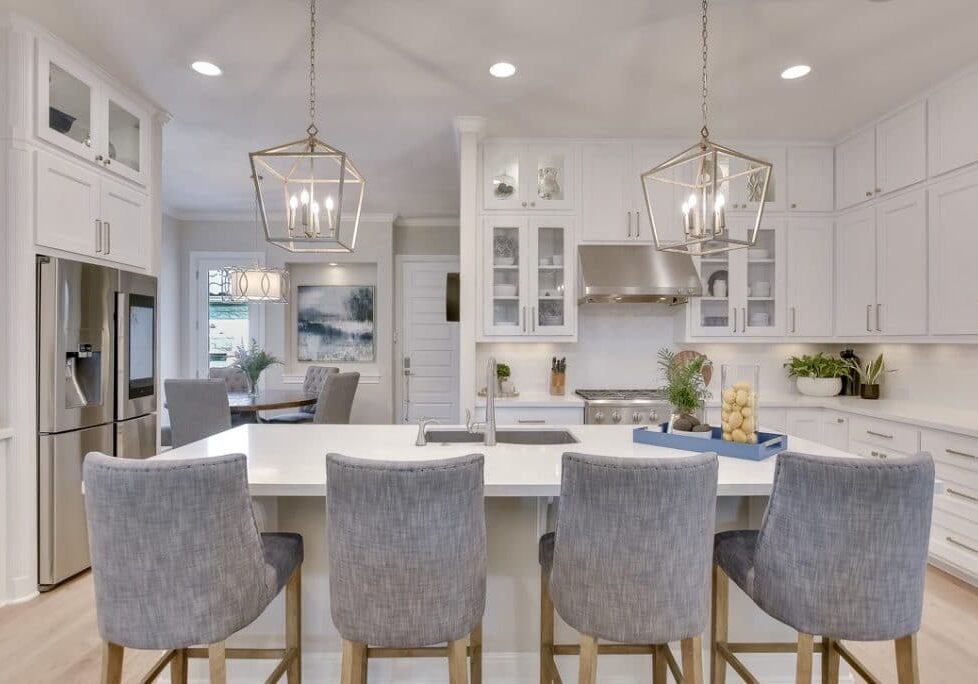
- Layer lights. Use ambient overhead lights, task lighting under cabinets, and accent lights over open shelves. Layers add depth.
- Add dimmers. Dimmers let you move from bright task light to soft mood light in seconds.
- Pick warm finishes for fixtures. Brass, oil-rubbed bronze, and aged copper reflect light in a warm way.
- Use shaded pendants and lamps. Fabric shades or frosted glass give softer light than exposed LEDs.
Practical tip: Swap one overhead bulb to a 2700K warm bulb and compare. The difference is immediate and dramatic in a white kitchen.
Warm metals, hardware, and fixtures
Hardware and fixtures are small changes with big impact when learning how to warm up a white kitchen.
- Swap drawer pulls and knobs to warm metals. Brass, satin brass, and aged bronze age beautifully.
- Choose a warm faucet finish. A bronze or brass faucet warms sink areas instantly.
- Consider light-reflecting finishes. Soft metallics reflect warm light into the room.
- Keep consistency. Pick one or two finishes to avoid a cluttered look.
From experience: Replacing stainless knobs with brass made a rented white kitchen feel high-end and cozy overnight.

Textiles, rugs, and decor
Textiles introduce color, pattern, and softness. They’re one of the easiest ways to learn how to warm up a white kitchen.
- Add a runner. A woven runner near the sink adds warmth and comfort underfoot.
- Use warm-toned dish towels and curtains. Linen, cotton, or wool in warm hues help tone down stark white.
- Bring in cushions for dining chairs. Soft seats make the space feel lived-in.
- Layer art and decor. Framed prints, wooden cutting boards, and pottery create personality.
Real-life tip: I once used a terracotta rug and matching hand towels to tie together wood shelving and brass hardware. The space felt intentional and warm.
Wood, countertops, and flooring choices
Flooring and counters ground a kitchen. These major surfaces define warmth.
- Warm wood floors. Medium-toned engineered wood or oak adds rich warmth against white cabinets.
- Butcher block or warm stone counters. Wood counters or warm-toned quartz create balance.
- Stained lower cabinets. Keep uppers white and stain bases for contrast and coziness.
- Warm grout and tile choices. Cream or warm gray grout is softer than stark white grout.
Tip: If replacing floors isn’t an option, add a large warm-toned rug or a wood-look plank overlay to simulate wood warmth.

Layout, open shelves, and styling tips
How you arrange and style a kitchen affects warmth more than you might think.
- Use open shelving selectively. Display warm items like wood boards, ceramics, and cookbooks.
- Group items. Visual clusters of similar textures or colors create a curated warm look.
- Keep countertops tidy. A few curated items look warmer than clutter.
- Add a statement island. If budget allows, a warm wood or painted island anchors the space.
- Use plants. Live greenery softens white and adds life.
From my projects: Styling three open shelves with similar ceramics and wooden bowls made a white kitchen read like a welcoming cafe rather than a sterile showroom.
Practical steps and a plan: 10-step checklist
Follow this checklist to implement how to warm up a white kitchen in phases.
- Test lighting. Replace bulbs with 2700K–3000K warm LEDs.
- Add dimmers. Install dimmers for main lights and pendants.
- Swap a few hardware pieces. Change cabinet pulls to brass or bronze.
- Add a wood element. Introduce a butcher block board or shelving.
- Layer textiles. Place a runner and add warm towels.
- Add warm decor. Use ceramics, baskets, and wooden bowls.
- Paint or tone small areas. Consider a warm accent on an island or backsplash.
- Upgrade fixtures. Swap faucet to warm-toned metal.
- Bring in plants. Add two or three easy-care plants.
- Edit and repeat. Edit clutter and adjust color accents as needed.
This phased plan helps you learn how to warm up a white kitchen without a full remodel.

People also ask — quick answers
Here are a few common questions people search when they want to know how to warm up a white kitchen.
Q: Can I keep a white kitchen and still make it cozy?
A: Yes. Add warm lighting, wood accents, warm metals, and textiles to create coziness while keeping white cabinets.
Q: What lighting temperature makes a kitchen warm?
A: Use bulbs between 2700K and 3000K for a warm, inviting glow that flatters white surfaces.
Q: Is brass better than stainless to warm a white kitchen?
A: Warm metals like brass or bronze reflect a softer light and add warmth more quickly than cool stainless steel.
Frequently Asked Questions of how to warm up a white kitchen
What is the easiest change to warm up a white kitchen?
Switch to warm light bulbs (2700K–3000K). The room will feel warmer immediately.
How do wood accents affect a white kitchen?
Wood adds texture and warmth. Even small wood pieces make white feel more natural and cozy.
Should I change my backsplash to warm my kitchen?
A warm-toned backsplash helps, but you can also warm the space with accessories and lighting first.
Can textiles really make a difference?
Yes. Rugs, towels, and curtains introduce color and softness that quickly change the room’s mood.
Is it expensive to warm up a white kitchen?
No. Many warm-up steps are low-cost, like changing bulbs, hardware, or adding textiles and decor.
Conclusion
Warming a white kitchen is about balance. Add warm light, wood, metals, and textiles. Take it step by step. Try one change and see how the room responds. You’ll be surprised how small shifts create lasting comfort and style.
Try one item from the checklist today. Share your results or questions below, subscribe for more kitchen tips, or explore other resources to plan a full refresh.