
Many frying pans sit higher in the middle due to heat warping or deliberate doming.
If you’ve ever cracked an egg and watched it race to the edge, you’ve met a crowned pan. I’ve tested dozens in home and pro kitchens and know exactly why are some frying pans higher in the middle, when it helps, and when it hurts. Stick with me, and you’ll learn the science, the signs, and the fixes so you can cook with confidence and pick the right pan next time.
What “higher in the middle” really means
Some pans have a subtle dome on the cooking surface. The center sits a touch higher, so oil and liquids move outward. Manufacturers may do this on purpose. It helps drain fat and keeps sauces away from the center.
The flip side is an unplanned crown. That can come from heat stress or poor handling. If you’ve wondered why are some frying pans higher in the middle, it can be by design or a warp. Knowing which one you have changes how you use it.
The science behind a raised center
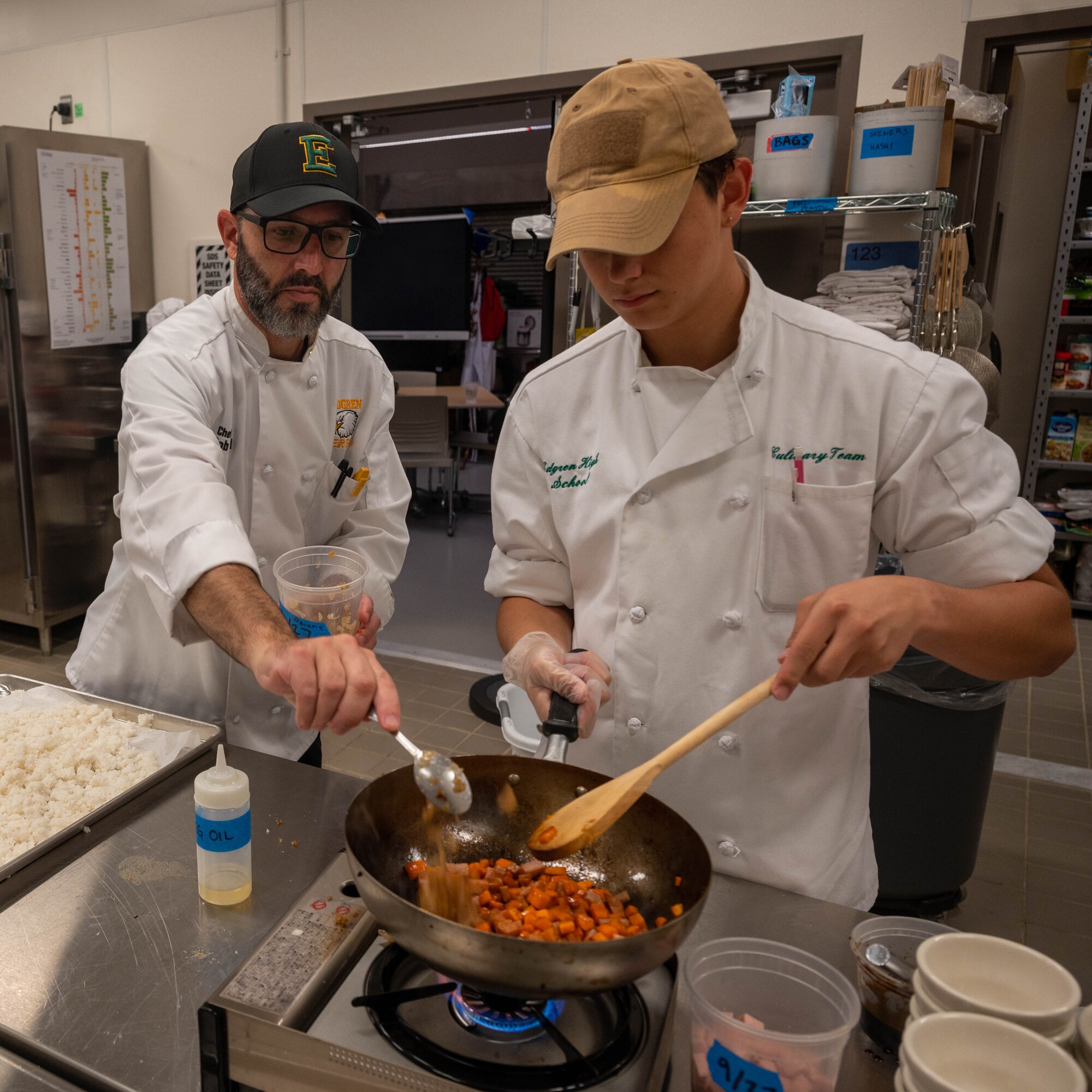
Heat makes metal expand. The center of a pan gets the most heat, so it expands more. When it cools, the metal does not always relax evenly. This leaves a permanent crown.
Here is what drives it:
- Thermal expansion differences. Aluminum expands more than stainless steel. Aluminum is about 23, stainless is about 17, and cast iron is about 11 to 12 micrometers per meter per degree Celsius. Mixed layers can pull the pan into a curve.
- Clad and disc-bottom builds. Multi-ply pans stack metals. If layers are uneven, the bimetal effect can bend the pan. Disc-bottom pans focus heat at the base, which can push the center up.
- Stamping and machining. Some bottoms are ground slightly concave or convex on purpose. Under heat, they flatten. Over time, heavy heat cycles may pass that sweet spot and leave a crown.
- Thermal shock. Rinsing a hot pan with cold water locks in tension. This is a common reason why are some frying pans higher in the middle after a few months.
- Overheating nonstick. Exceeding rated temps weakens the base and coating. You may see instant or gradual crowning.
In short, physics is the main cause. Design and user habits decide the rest.

Intentional crown versus harmful warp
A small, even dome can be a feature. It drains oil to the edge. That can boost browning and reduce soggy food. Some carbon steel pans arrive with a slight crown that softens when hot.
A harmful warp looks uneven. Food slides to one side. The pan may spin on a flat top. If you are asking why are some frying pans higher in the middle and yours cooks unevenly, it may be time to act.

Pros and cons of a raised center in daily cooking
- Better searing. Oil pools around the edges. You can press steak edges into the hot oil.
- Cleaner eggs and pancakes. Fat drains away, so the center can fry, not steam.
- Sauce control. Keep reductions at the rim while the center stays dry and hot.
But there are trade-offs:
- Fried eggs may drift. You need more oil or a ring.
- Shallow frying is uneven. The edge is deeper than the center.
- Induction and glass tops need full contact. A high crown can hurt heat transfer.

How to cook better on a pan that is higher in the middle
- Preheat longer and lower. Give the metal time to expand evenly.
- Add oil early. Swirl to coat the edges where oil settles.
- Use the edge ring as a hot zone. Sear proteins at the rim, finish in the center.
- For eggs and crepes, use more fat and a lower flame. Tilt to guide the batter.
- For smash burgers, press near the edge, then move to the center to finish.
These simple steps solve most day-to-day issues. They also answer why are some frying pans higher in the middle yet still cook great.

How to test if your pan is crowned or warped
- The marble test. Place the pan on a smooth counter. Drop a small marble or a dry pea. If it rolls outward in all directions, you have a crown.
- The straightedge test. Lay a ruler across the surface. Look for light gaps at the center.
- The oil map. Warm the pan and add a teaspoon of oil. Watch where it pools.
- The spin test for flat tops. Gently twist the handle. Rocking means a warp.
These quick checks tell you not only what you have, but also why are some frying pans higher in the middle in your kitchen.

Can you fix a pan that is higher in the middle?
- Cast iron and carbon steel. A mild, even crown is normal. It often relaxes when hot. Do not hammer it. You can try slow oven heating, then a slow cool to relieve stress. Results vary.
- Clad stainless. True warps are hard to reverse at home. Contact the maker. Good brands honor warping under normal use.
- Thin aluminum or cheap nonstick. Fixes are rare. Use it as a backup or recycle it.
- Professional flattening. Some machine shops can reface heavy pans. This works best on thick cast iron.
If you wonder why are some frying pans higher in the middle and hope for a quick fix, know this: prevention beats repair.

Buying guide: choose pans that resist crowning
- Go thicker. Heavy-gauge pans resist stress. Look for at least 3 millimeters in carbon steel or aluminum.
- Pick balanced multi-ply. Even stainless-aluminum-stainless layers stay flatter.
- Avoid thin stamped pans. Forged or fully clad builds hold shape better.
- Mind oven limits. Respect temperatures for nonstick and handles.
- Induction users. Check for flat, machined bottoms that pass a straightedge test.
- Read warranties. Many brands cover warping. Save your receipt.
These tips help you avoid asking why are some frying pans higher in the middle after your next purchase.

Care habits that prevent warping
- Heat gradually. Start low, then raise heat. Give the pan a minute to adapt.
- Skip thermal shock. Let hot pans cool before washing.
- Use the right burner size. Flames or coils should not lick past the base.
- Cook within limits. Keep nonstick below its rated max.
- Store smart. Avoid stacking heavy pots on thin pans.
Follow these and you may never ask why are some frying pans higher in the middle again.

Frequently Asked Questions of why are some frying pans higher in the middle
Is a slightly higher center normal?
Yes, a slight dome can be normal or even intentional. It helps drain oil and can improve browning.
Why did my new nonstick pan crown after a few uses?
Likely heat shock or overheating caused stress. Thin bases and rapid temperature swings speed this up.
Will a crowned pan damage my glass cooktop?
Not usually, but poor contact hurts heat transfer. If it rocks or spins, switch pans to protect the surface.
Can seasoning make a pan look higher in the middle?
Built-up layers can change how oil sits, but they do not raise the metal. The crown comes from the metal shape, not the seasoning.
Do carbon steel pans flatten when hot?
Many do. A small cold crown can level out as the metal expands with heat.
Does a disc-bottom pan resist warping better than fully clad?
It depends on build quality. Good discs with proper bonding do well, but cheap discs can pop and warp.
Will using a lid change the crown over time?
The lid does not change the shape. Heat level and cooling method matter far more.
How do I know if it is a defect or a feature?
Check the maker’s specs and do the straightedge test. Even, slight domes are often by design; uneven tilts point to a defect.
Can I pan-fry shallow with a raised center?
Yes, but place food in the oil ring for even browning. Adjust oil level so the edge pool is deep enough.
Why are some frying pans higher in the middle on induction stoves?
Heat is intense and focused, which can expose weak builds. A slight design dome may also feel more obvious on flat glass tops.
Conclusion
Some pans crown by design to drain oil and boost browning. Others warp from heat, shock, or thin builds. Learn the difference, cook to the pan’s strengths, and choose thicker, well-made models to prevent the problem.
Try the straightedge and oil tests today. Adjust your technique, or upgrade with the buying tips above. If this helped, subscribe for more kitchen gear guides, or drop a comment with your pan questions.