
When you’re standing in your kitchen deciding whether to pop that Duralex bowl straight into the oven, you probably have one question running through your mind: “Is this safe?” You’re not alone. Thousands of people use Duralex glassware every single day, and many wonder about its heat tolerance. The good news? Duralex bowls have a solid reputation for withstanding heat. But like any kitchen tool, understanding the details matters. This guide will walk you through everything about Duralex oven safety so you can cook with confidence.
What Are Duralex Bowls?
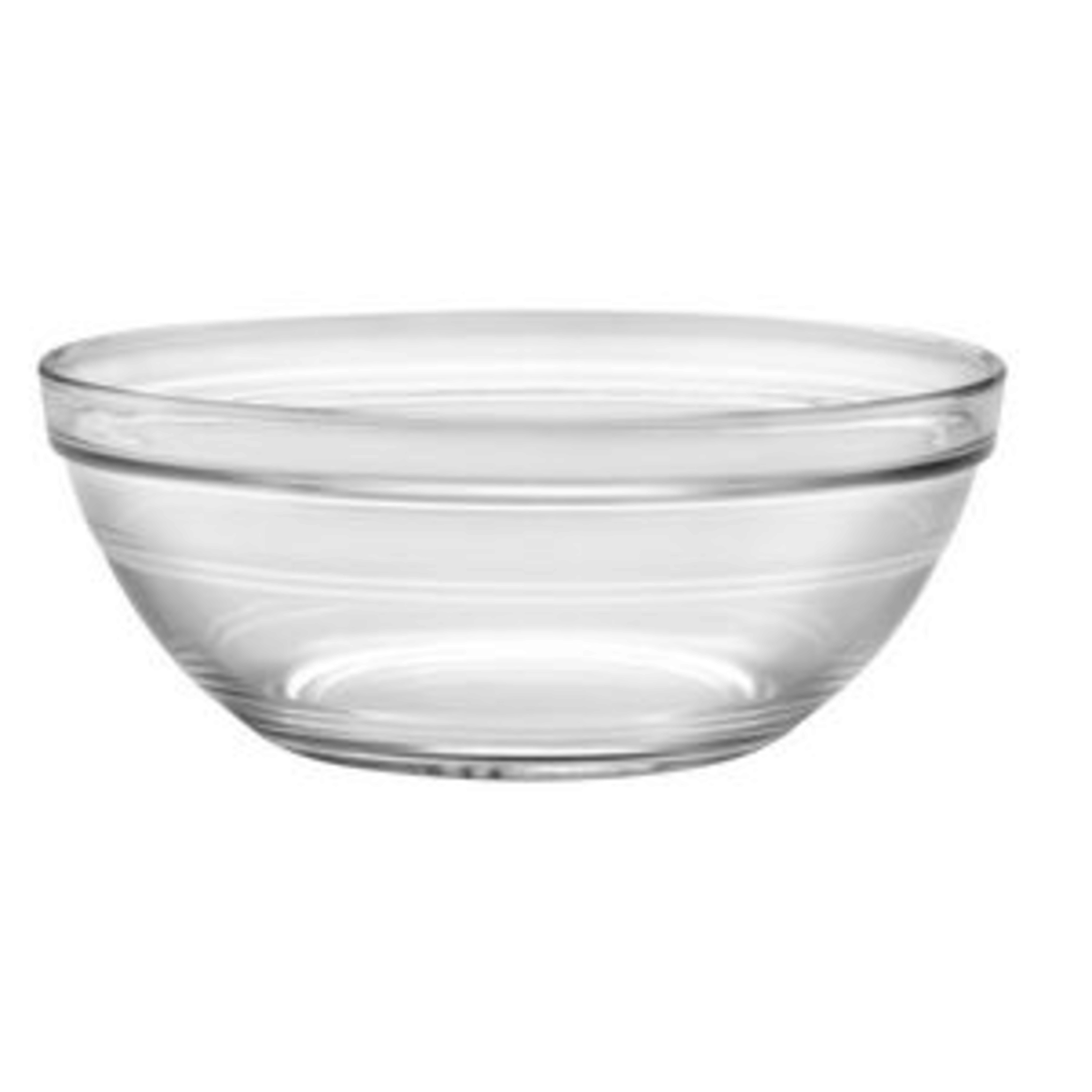
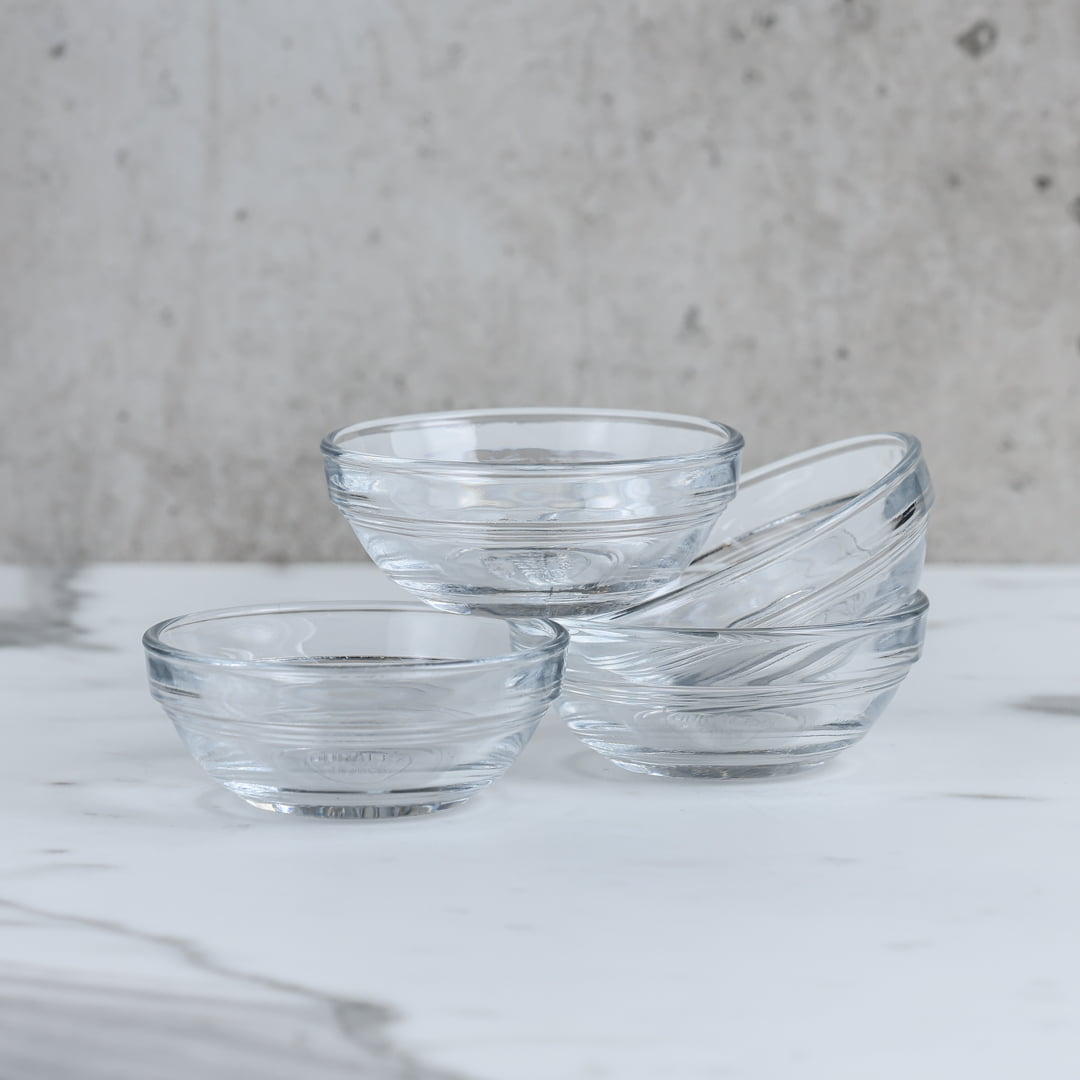
Duralex bowls represent a special type of glassware that has been around since 1939. These bowls are made from tempered glass, which is glass that has been treated with heat and cooling to make it stronger. The name Duralex comes from “durable” and “lex,” meaning it’s made to last through daily use and abuse.
The French company that created Duralex pioneered tempered glass technology. This process involves heating glass to extremely high temperatures and then cooling it rapidly. The result is glassware that resists thermal shock much better than regular glass. Think of it like the difference between a regular ceramic bowl and a cast-iron skillet—one handles temperature changes gracefully, while the other doesn’t.
What makes Duralex special is its ability to handle both hot and cold temperatures without cracking. You can take a Duralex bowl from the freezer and put it on a hot stove, and it will likely survive the experience. This durability made Duralex popular in cafeterias, restaurants, and homes worldwide.
Are Duralex Bowls Oven Safe?
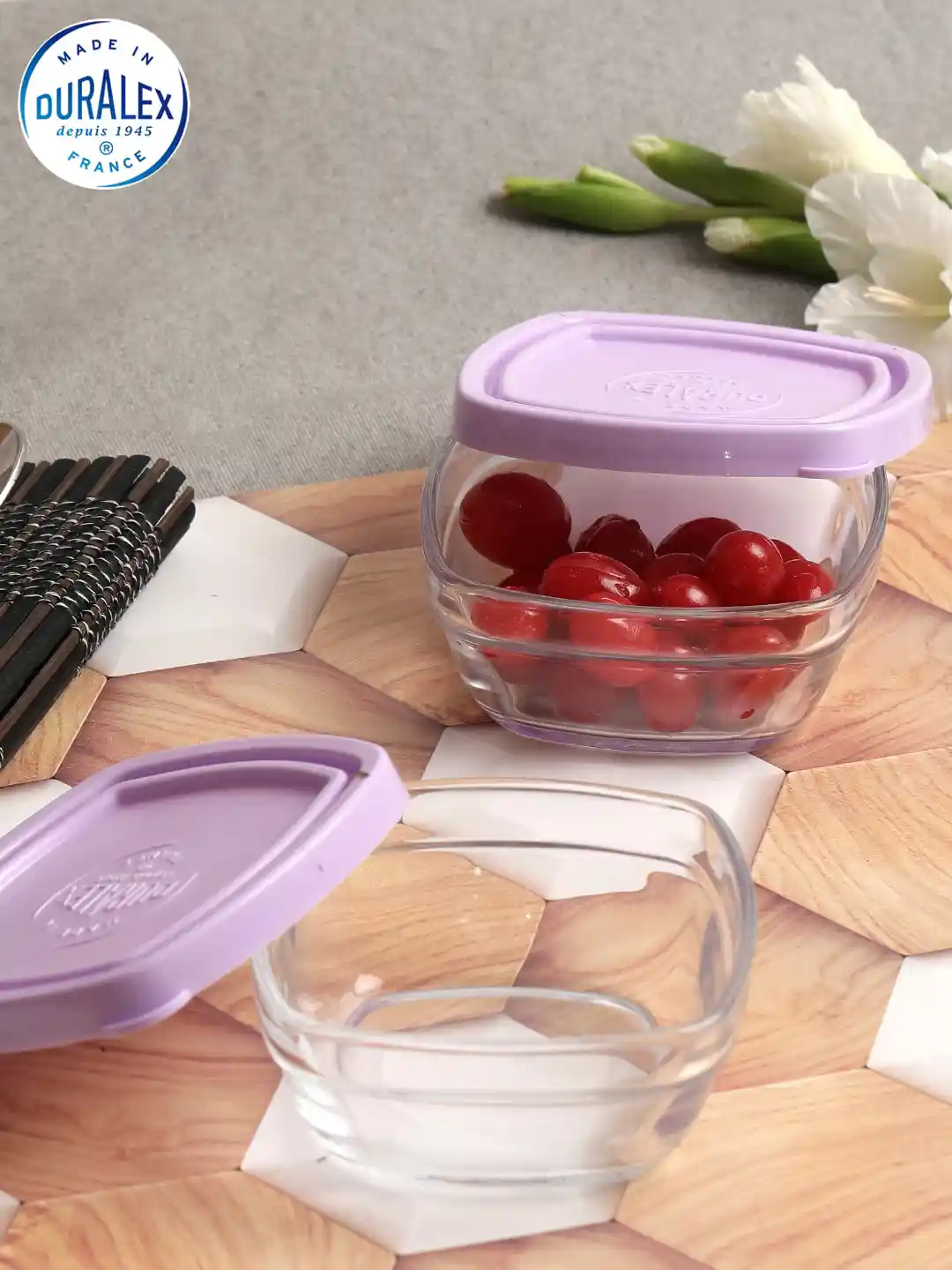
The straightforward answer is yes—Duralex bowls are oven safe. However, this answer comes with important conditions you should understand. Most Duralex products can withstand oven temperatures up to 350°F (175°C) safely. Some newer models might tolerate slightly higher temperatures, but 350°F is the standard recommendation.
This temperature range makes sense for everyday cooking tasks. You can use Duralex bowls for roasting vegetables, baking casseroles, warming up leftovers, or preparing side dishes. These are the kinds of meals most home cooks prepare regularly, and Duralex handles them well.
The key to oven safety with Duralex lies in understanding tempered glass. When glass is tempered, tiny compressive stresses form on its surface while tension stresses form inside. This unique stress distribution allows the glass to handle temperature changes that would shatter ordinary glass. However, there are still limits. Pushing Duralex beyond its maximum temperature creates risks.
Maximum Temperature Limits for Duralex
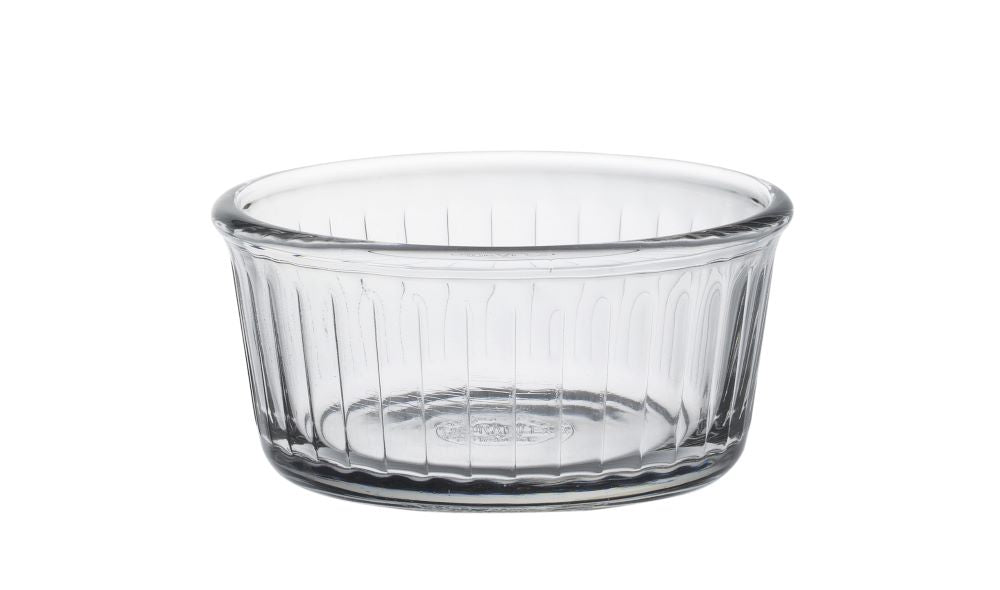
Understanding temperature limits is crucial for safe cooking. Most standard Duralex bowls have a maximum oven temperature of 350°F (175°C). This number appears consistently across product guidelines and manufacturer specifications. It’s not arbitrary—it’s been determined through extensive testing and real-world use.
Why 350°F specifically? At this temperature, the glass remains stable and performs as designed. Below this point, you have a wide margin of safety. The glass handles the heat without strain. However, going above this limit gradually increases the risk of thermal shock, which can cause the glass to crack or shatter.
Some Duralex products, particularly newer collections, might state higher maximum temperatures like 400°F (204°C). Always check your specific bowl’s label or the manufacturer’s documentation. The information is usually printed on the bottom of the bowl or included with your purchase.
Temperature limits also depend on how quickly you heat the glass. Placing a cold Duralex bowl directly into a 350°F oven creates more thermal stress than gradually heating it. Sudden temperature changes are harder on tempered glass than gradual ones, even if the final temperature is the same.
How to Use Duralex Bowls in the Oven Safely

Using Duralex bowls in the oven safely requires a few smart practices. First, always preheat your oven before placing the bowl inside. This might seem like extra work, but it actually reduces thermal shock. A preheated oven heats the bowl gradually rather than hitting it with extreme heat all at once.
Second, avoid placing cold bowls directly from the refrigerator into a hot oven. If your Duralex bowl has been in the fridge, let it sit at room temperature for several minutes first. This simple step significantly reduces stress on the glass. Think of it as giving the glass time to wake up and adjust gently.
Third, use oven mitts when handling hot Duralex bowls. While the glass is heat-resistant, it still conducts heat effectively. Your hands need protection just as they would with any hot cookware. Silicone oven mitts work particularly well because they provide excellent grip on smooth glass surfaces.
Fourth, never move a hot Duralex bowl from the oven directly to a cold surface or into cool water. Extreme temperature changes in either direction can cause cracking. Instead, place the bowl on a stable, room-temperature surface and let it cool naturally. If you need to clean it, wait at least several minutes before running cool water over it.
Fifth, avoid placing Duralex bowls directly on stovetop burners or under broilers. While the oven is safe, direct flame or intense direct heat from a broiler can exceed the glass’s tolerance. The concentrated heat in these scenarios creates too much thermal stress.
Common Mistakes to Avoid
Even though Duralex bowls are durable, certain mistakes can damage them or create safety hazards. One common mistake is assuming all temperatures are safe because the bowl is tempered glass. Tempered glass has limits, and respecting them keeps you and your bowl safe.
Another frequent error involves rapid temperature changes. Some people remove a hot Duralex bowl from the oven and immediately place it in cold water or on a wet counter. This shocking temperature change can crack even tempered glass. Your impatience costs you time—and possibly the bowl.
Using Duralex bowls under broilers is another mistake people make. The broiler’s intense, direct heat differs dramatically from oven heat. Many people don’t realize that broiler heat can exceed what the glass can handle. Save your Duralex bowls for regular oven cooking, not broiling.
Stacking hot Duralex bowls is also problematic. While the glass itself handles heat well, stacking hot bowls creates uneven pressure and stress points. Wait until the bowls cool completely before stacking them. This prevents potential cracking and protects your dishes from damage.
Some people also damage Duralex bowls by exposing them to rapid temperature swings in dishwashers. The intense spray of hot water followed by cold rinse cycles can stress the glass. Hand washing tends to be gentler if you want maximum bowl lifespan.
Duralex vs. Other Oven-Safe Glassware
Comparing Duralex to other oven-safe options helps clarify why so many people choose it. Pyrex is another popular tempered glass brand, and both Duralex and Pyrex can handle oven temperatures up to 350°F. The main difference lies in history and availability. Pyrex became famous first, but Duralex has built a loyal following worldwide.
Ceramic and stoneware bowls often tolerate higher oven temperatures than glass, sometimes up to 400°F or 450°F. However, ceramic bowls can chip or crack if dropped, while Duralex resists shattering much better. The choice depends on your priorities—maximum temperature tolerance or maximum durability.
Metal mixing bowls don’t work in ovens because metal conducts heat too well and can reach dangerous temperatures. Plastic bowls certainly can’t go in ovens. Stainless steel and cast iron have their own advantages but aren’t transparent like Duralex, making it harder to see what’s cooking.
The real advantage of Duralex is its combination of safety, durability, and visibility. You can see your food cooking. You can drop the bowl without it shattering. And you can trust it in the oven. Few other options offer this complete package.
Understanding Tempered Glass Technology
Understanding how tempered glass works makes you a smarter Duralex user. The tempering process begins with regular glass heated to about 1,100°F (600°C). At this extremely high temperature, the glass becomes soft and moldable. Once shaped into a bowl, the glass is rapidly cooled using jets of air.
This rapid cooling creates the magic that makes Duralex special. The outer surface cools quickly and hardens first. The interior, cooling more slowly, creates internal tension as it contracts. This tension is balanced by compression stresses on the surface. The result is glass that’s roughly four times stronger than regular glass.
This stress distribution also changes how the glass fails. Regular glass shatters into large, razor-sharp pieces when broken. Tempered glass crumbles into small, relatively harmless pellets. This safety feature has made tempered glass the standard for car windows and phone screens.
The compression stress on the surface also makes the glass extremely resistant to thermal shock. You can expose tempered glass to larger temperature swings than regular glass without it cracking. However, if the internal tension ever breaks free—say, from a tiny chip—the entire bowl can explode into pieces as the internal stress releases.
How Temperature Affects Duralex Performance

Temperature doesn’t just determine whether Duralex is safe—it actually changes how the glass behaves. Below 350°F, you’re completely in the safety zone. The glass handles whatever temperature you throw at it without worry. At 350°F, you’re right at the limit.
Above 350°F, risks increase. The glass becomes less stable and more susceptible to thermal shock. At 400°F, many Duralex products will eventually fail, especially if exposed to rapid temperature changes. At 500°F or higher, failure becomes almost inevitable.
Temperature also interacts with moisture. A completely dry Duralex bowl handles heat better than one with water droplets on it. Those water droplets create tiny hot spots where the droplets contact the glass, creating localized thermal stress. Dry your bowl before placing it in the oven for maximum safety.
The duration of exposure matters too. Your Duralex bowl can handle 350°F for extended periods because the temperature remains constant. However, if you repeatedly expose it to temperature cycling—hot, then cool, then hot again—damage accumulates over time. Think of it like repeatedly bending a wire; eventually, it breaks.
Real-World Usage Examples
Let’s look at practical scenarios where Duralex bowls shine. Suppose you want to bake a vegetable gratin. You can prepare the vegetables in your Duralex bowl at room temperature, then place the entire bowl in a 350°F oven. The bowl goes straight from preparation to cooking. The tempered glass handles the temperature change with ease.
Consider warming up yesterday’s pasta salad. Place your leftovers in a Duralex bowl and warm them at 325°F for 15 minutes. The bowl’s transparency lets you see when the food is hot without opening the oven. Duralex performs beautifully in this scenario.
What about baking? You can use Duralex bowls for mise en place—organizing ingredients before baking. However, don’t use them directly for baking at temperatures above 350°F. If your recipe requires higher temperatures, transfer ingredients to appropriate bakeware.
Roasting is another perfect application. Place potatoes, vegetables, or other ingredients in your Duralex bowl and roast at 350°F. The bowl distributes heat evenly, and you can see how the food is browning. This is exactly the kind of everyday cooking Duralex was designed for.
Manufacturer Guidelines and Standards
Duralex provides clear guidelines for safe use, and following them protects both you and your bowl. The manufacturer specifies that Duralex bowls can go in ovens up to 350°F (175°C). This is the maximum safe temperature for standard Duralex products.
The guidelines also specify that bowls should not be used in microwaves heated above certain power levels, or in broilers and toasters. These instructions exist because different heat sources create different stress patterns on the glass. The intense, concentrated heat of a broiler differs fundamentally from even oven heat.
Different Duralex collections might have slightly different specifications. Always check your specific product’s label or instructions. The bottom of most Duralex bowls includes an oven-safe symbol with a temperature designation. Respecting these specific guidelines keeps you safe.
The manufacturer also recommends hand washing when possible. While Duralex can handle dishwashers, hand washing reduces exposure to rapid temperature changes and aggressive water jets. This extends the life of your bowls significantly.
Signs That Your Duralex Bowl Is Compromised
Sometimes Duralex bowls develop problems that make them unsafe for oven use. Learning to recognize these signs prevents accidents. The most obvious sign is visible cracks or chips. Any damage to the surface compromises the internal stress balance that makes the glass tempered.
Small chips might seem harmless, but they’re actually dangerous. A tiny chip can initiate the release of internal stress, causing the entire bowl to suddenly shatter. This happens without warning and can send glass fragments everywhere. Don’t risk it—replace chipped bowls.
Discoloration or cloudy patches sometimes develop on Duralex after years of use. While often just cosmetic, significant cloudiness might indicate stress in the glass. When in doubt, replace the bowl rather than risk oven use.
Unusual sounds like cracking or popping noises when the bowl is heating indicate problems. These sounds mean the internal stress structure is releasing. Remove the bowl from the oven immediately and let it cool. Don’t use it again.
Some people notice their Duralex bowl feels slightly sticky or has rough patches. These could indicate microscopic damage or residue buildup. Clean the bowl thoroughly, and if problems persist, consider replacing it.
Frequently Asked Questions
Can you use Duralex bowls in the microwave?
Yes, but with limits. Duralex bowls are microwave safe for most reheating purposes. However, if the microwave creates very hot spots, it can potentially damage the bowl. Use lower power settings and check the bowl frequently.
What happens if you exceed the 350°F temperature?
Exceeding 350°F increases the risk of thermal shock and cracking. At 400°F and above, failure becomes increasingly likely, especially if temperature changes rapidly.
Can you put a Duralex bowl directly from the freezer into the oven?
No. This creates extreme thermal shock. Let the frozen bowl sit at room temperature for several minutes before placing it in a preheated oven.
Is Duralex dishwasher safe?
Yes, but hand washing is gentler. The rapid temperature changes in dishwasher cycles can eventually stress the glass over time.
What’s the difference between Duralex and regular tempered glass?
Duralex is a specific brand known for quality and consistency. All Duralex bowls undergo rigorous testing. Some other tempered glass products might have lower temperature ratings.
Can Duralex bowls go under the broiler?
No. Broiler heat is too intense and concentrated. Stick to regular oven use only.
How long do Duralex bowls last?
With proper care, Duralex bowls last many years. Many people use the same bowls for decades. Proper handling and respecting temperature limits extend lifespan significantly.
What should you do if your Duralex bowl cracks while in the oven?
Turn off the oven immediately. Let the bowl cool completely in the oven before removing it. Never run water over a hot cracked bowl, as this can cause it to shatter completely. Dispose of the bowl safely using thick gloves and a sturdy container.
Conclusion
Duralex bowls are genuinely oven safe when used properly. The tempered glass construction makes them reliable workhorses in any kitchen. Understanding the 350°F maximum temperature limit and respecting the guidelines ensures years of safe, successful cooking.
The key takeaway is simple: treat your Duralex bowls with reasonable care, respect the temperature limits, and avoid rapid temperature changes. These straightforward practices keep your bowls functioning beautifully and keep you safe. Duralex has earned its reputation as dependable kitchenware through decades of reliable performance. With the knowledge from this guide, you can confidently use your Duralex bowls knowing you’re doing it safely. Happy cooking!