
Use about 1 cup water per 1 cup white rice in an electric pressure cooker; brown needs about 1.25–1.5 cups.
I’ve cooked rice in pressure cookers for years. I’ve tested white, basmati, jasmine, brown, and parboiled rice in both electric and stovetop pressure cookers. This guide explains rice in pressure cooker how much water to use, why the ratios change, exact steps, and tips so you get perfect rice every time. Read on for clear rules, timings, and troubleshooting advice grounded in hands-on experience and common manufacturer guidance.

Why water ratio matters
Water controls texture. Too little water gives undercooked, hard rice. Too much water makes rice soggy or gluey. With pressure, steam and trapped water change how rice cooks. That means the usual stovetop ratios do not always match pressure cooker rules.
I tested rice in pressure cooker how much water to use across types. I learned that grain type, whether rice is rinsed or soaked, and your pressure cooker model all change the final water need. Knowing the right ratio saves time and reduces waste.
Pressure traps steam. That changes evaporation and absorption. So use specific ratios for pressure cooking rather than guessing.
Standard water ratios for common rice types
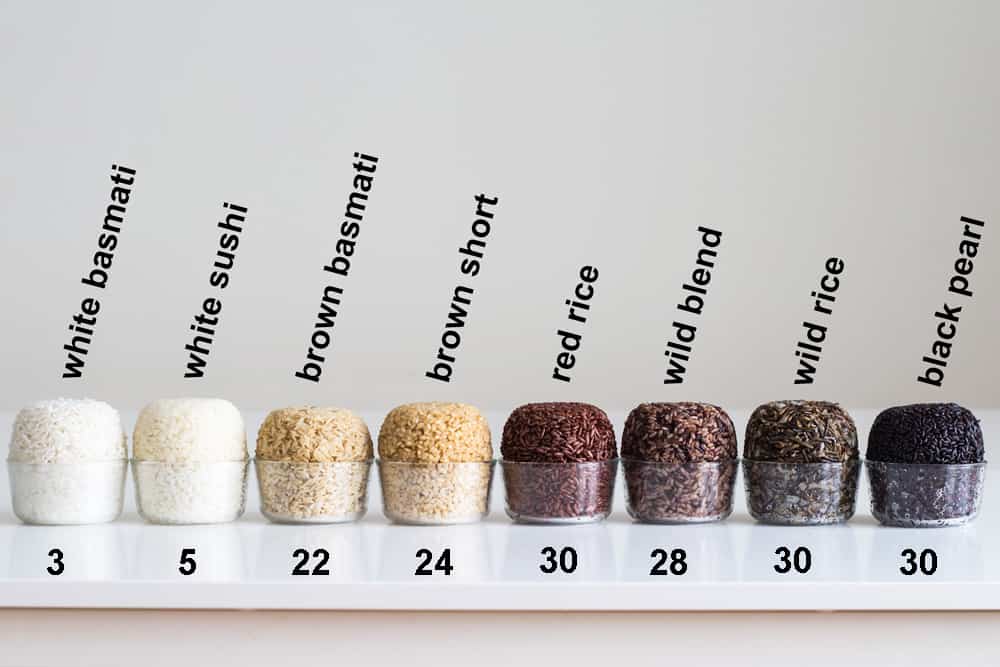
Below are simple ratios for rice in pressure cooker how much water to use. These are for 1 cup of dry rice. Adjust amounts for scale, soaking, or prefered firmness.
- White long-grain (plain, jasmine)
- 1 cup rice : 1 cup water
- Rinse first for fluffier rice.
- Basmati
- 1 cup rice : 1 to 1.1 cups water
- Rinse and drain well; basmati benefits from a short rest after cooking.
- Short-grain white (sushi)
- 1 cup rice : 1.1 to 1.25 cups water
- Short-grain absorbs more; expect stickier results.
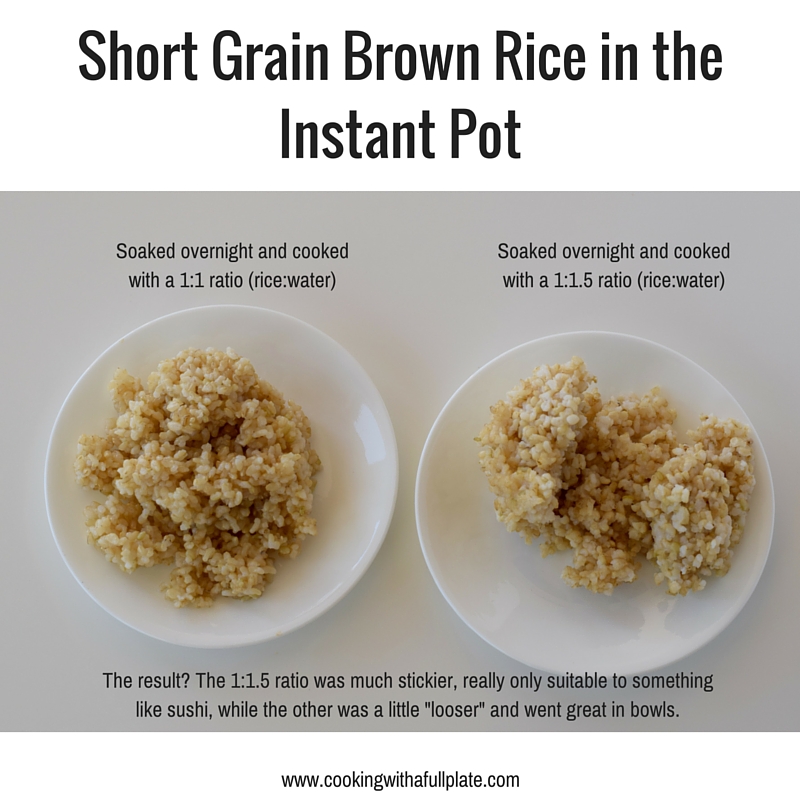
- Brown rice (whole grain)
- 1 cup rice : 1.25 to 1.5 cups water
- Brown rice needs more time and water due to bran.
- Parboiled rice
- 1 cup rice : 1 to 1.25 cups water
- Parboiled holds shape and needs less water than brown.
- Wild rice blend
- 1 cup rice : 1.5 to 2 cups water
- Wild rice is chewier and needs more water.
These ratios answer most queries about rice in pressure cooker how much water. If you soak rice for 20–30 minutes, reduce water by 0.1–0.25 cup per cup soaked.

How to cook rice in a pressure cooker: step-by-step
Follow these steps for reliable rice in pressure cooker how much water and consistent results.
- Measure and rinse
- Measure rice with a dry cup. Rinse under cold water until water runs clear to remove surface starch.
- Add water and salt
- Combine rice, water, and a pinch of salt. Stir once so grains sit evenly.
- Set pressure and time
- Electric pressure cooker (high pressure)
- White rice: 3–4 minutes cook, 10 minutes natural release.
- Brown rice: 20–22 minutes cook, 10–15 minutes natural release.
- Stovetop pressure cooker (medium-high)
- White rice: 4–6 minutes at pressure, quick release works but a short rest helps.
- Brown rice: 18–22 minutes at pressure, natural release for 10 minutes.
- Electric pressure cooker (high pressure)
- Release pressure and rest
- Let pressure release naturally when possible. Fluff with fork after resting for 5–10 minutes.
- Serve
- If rice seems a bit wet, use the saute function (low) for a minute or let sit uncovered for a few minutes.
I prefer the natural release for white and brown rice. It steadies steam and gives even texture. These steps show rice in pressure cooker how much water and how to manage it.
Tips for perfect rice every time
Small habits change results. Use these tips to nail rice in pressure cooker how much water consistently.
- Use a consistent cup
- Use the same measuring cup for rice and water each time. Accuracy matters.
- Rinse or not
- Rinse to remove starch for fluffier rice. Skip rinsing for creamier, stickier rice.
- Soak when needed
- Soak basmati or long-grain for 20–30 minutes to shorten cook time and improve texture.
- Adjust for altitude
- At high altitude, add 5–10% more water and increase cook time slightly.
- Scale ratios, not cook time
- If you double rice, keep ratio the same. Cook time is usually unchanged.
- Test and note
- Keep a small notebook. I record rice type, water ratio, and time. It saves guesses and improves results.
How does rinsing change the water needed?
Rinsing removes starch and some surface moisture. You may use slightly less water if you skip rinsing, but results vary by rice type.
Can I use the same ratio for stovetop and electric pressure cookers?
Ratios are similar but not identical. Electric cookers trap less steam loss, so stick to tested ratios for your model. Always test one cup first.

Troubleshooting common problems
Here are quick fixes when rice goes wrong after using rice in pressure cooker how much water.
- Rice is hard or undercooked
- Add 2–4 tablespoons water per cup of rice, seal, and pressure cook 1–2 more minutes with a short natural release.
- Rice is mushy
- Likely too much water. Reduce water by 0.1–0.25 cup next time. Avoid stirring before cooking.
- Rice sticks to pot bottom
- Add a teaspoon oil or butter. Use a quick rinse and lower water slightly next time.
- Grain separation poor (clumpy rice)
- Rinse more, use less water, and fluff gently after resting.
- Burn notice on electric cooker
- Deglaze before adding rice next time. Ensure rice isn’t stuck to the bottom.
These fixes come from testing and common user reports. They help refine how you use rice in pressure cooker how much water for your taste and gear.

Frequently Asked Questions of rice in pressure cooker how much water
How much water for 1 cup white rice in an Instant Pot?
Use 1 cup water for 1 cup white rice. Cook at high pressure for 3–4 minutes and allow a 10-minute natural release.
Do I need to rinse rice before pressure cooking?
Rinse for fluffier rice and to remove surface starch. If you want stickier rice, skip rinsing.
How much water for 1 cup brown rice?
Use 1.25 to 1.5 cups water per 1 cup brown rice. Cook longer—about 20–22 minutes at high pressure.
Can I double the rice and water amounts?
Yes. Keep the ratio the same. Cook time usually stays the same, but allow for a slightly longer natural release.
What if my rice is too wet after cooking?
Let it rest uncovered for a few minutes or use the sauté/keep-warm function briefly. Decrease water next time by 0.1–0.25 cup.
How does soaking rice change the water needed?
Soaked rice soaks up some water. Reduce the added water by about 0.1–0.25 cup per cup of soaked rice.
Is the 1:1 ratio always best for pressure cooker rice?
For most white rice in electric pressure cookers yes. Some short-grain and parboiled varieties need slight adjustments.
Conclusion
You can master rice in pressure cooker how much water with simple rules: start with the standard ratios, rinse or soak when it helps, and keep notes. Small changes to water and timing fix most issues. Try one cup tests until you find your ideal texture, and record the best settings for your cooker.
Ready to cook perfect rice? Try one of the ratios here today, note your results, and tweak as needed. If you found this helpful, leave a comment or subscribe for more easy kitchen tips and recipes.